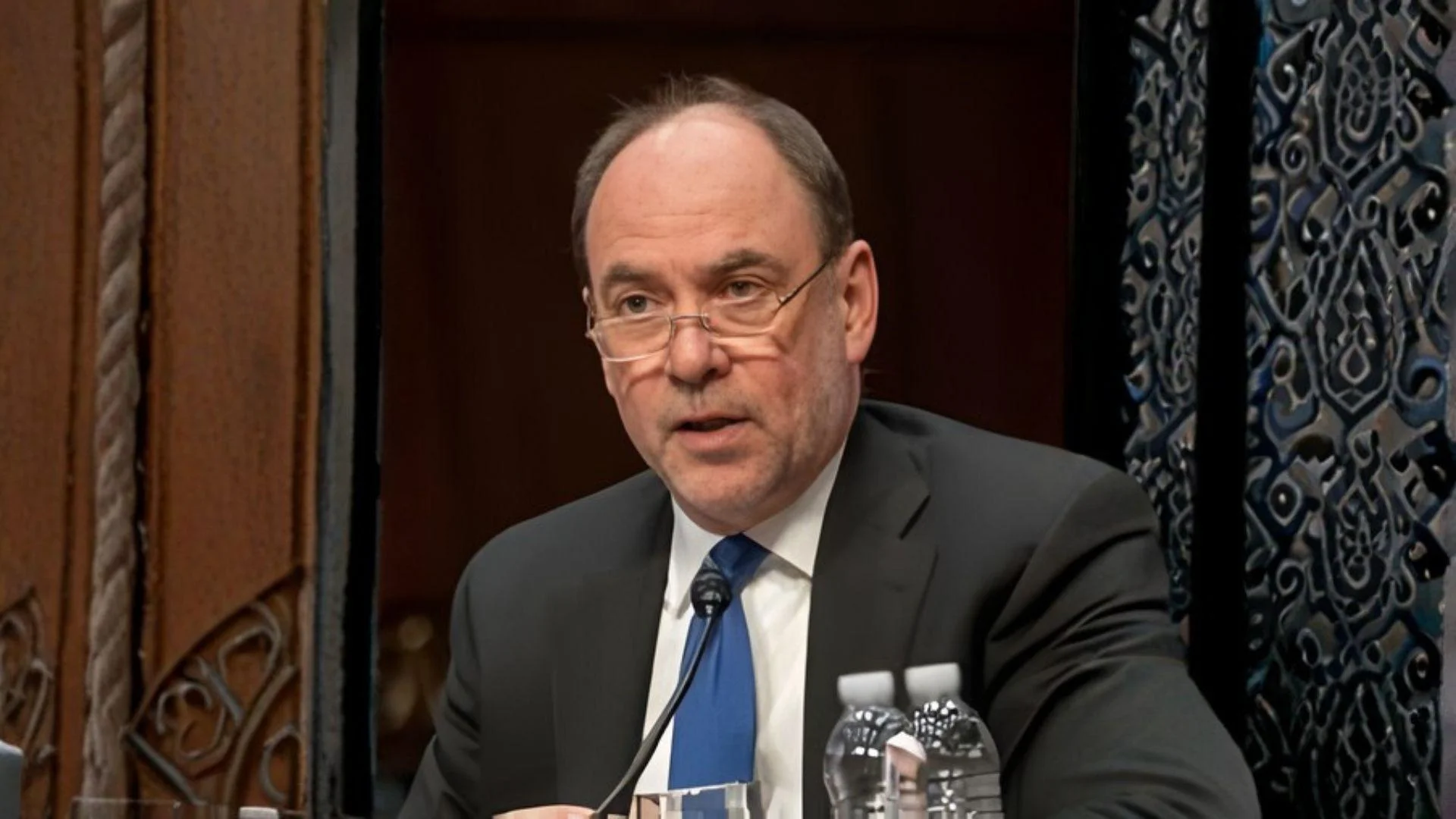

The American Action Forum published an analysis on April 1 warning that proposals to modify the National Vaccine Injury Compensation Program (VICP) could undermine both vaccine supply stability and the compensation system for individuals who experience vaccine-related injuries.
The analysis comes as lawmakers consider expanding the vaccine injury table to more than 300 conditions and advancing legislation that would remove manufacturer liability protections. The forum said these changes could have significant implications for public health and the long-term stability of the vaccine market.
The analysis also noted that the VICP has faced renewed scrutiny amid proposals to broaden its scope and alter its legal framework. The program was established by Congress in 1986 as a no-fault alternative to tort litigation following a surge in lawsuits that threatened vaccine supply. It is currently administered through a system in which eight special masters adjudicate all claims.
Data from the Health Resources and Services Administration (HRSA) show that since 1988, 29,749 petitions have been filed under the program, with total compensation reaching approximately $5.6 billion. In fiscal year 2025, 1,301 petitions were filed. HRSA data also indicate that roughly 60% of compensation has come from settlements in which causation was not formally determined.
The analysis further references the historical backdrop to the program’s creation. Prior to the National Childhood Vaccine Injury Act of 1986, lawsuits against vaccine manufacturers rose from one case in 1978 to 73 in 1984, leaving only one manufacturer operating by 1985, according to historical data cited by the American Action Forum.
The End the Vaccine Carveout Act, currently under consideration, would eliminate liability protections established under the 1986 law. The Taxpayers Protection Alliance has estimated that adding autism-related claims could generate a potential $100 billion docket, according to HRSA-related analysis cited in the report.
The American Action Forum, founded in 2009 by former Congressional Budget Office Director Douglas Holtz-Eakin, is a center-right policy institute focused on health care, regulatory, and fiscal policy analysis.

