
Millions of people applying for Medicaid will now need to prove they have been working, attending school, or volunteering for at least a month before gaining or keeping their health insurance, according to new federal requirements outlined on April 17. These changes come from the One Big Beautiful Bill Act signed last July by President Donald Trump.
The significance of these rules is that they affect access to government health coverage for low-income adults across the country. While the federal law allows states to set requirements at one, two, or three months of prior activity, some Republican-led states are opting for stricter standards.
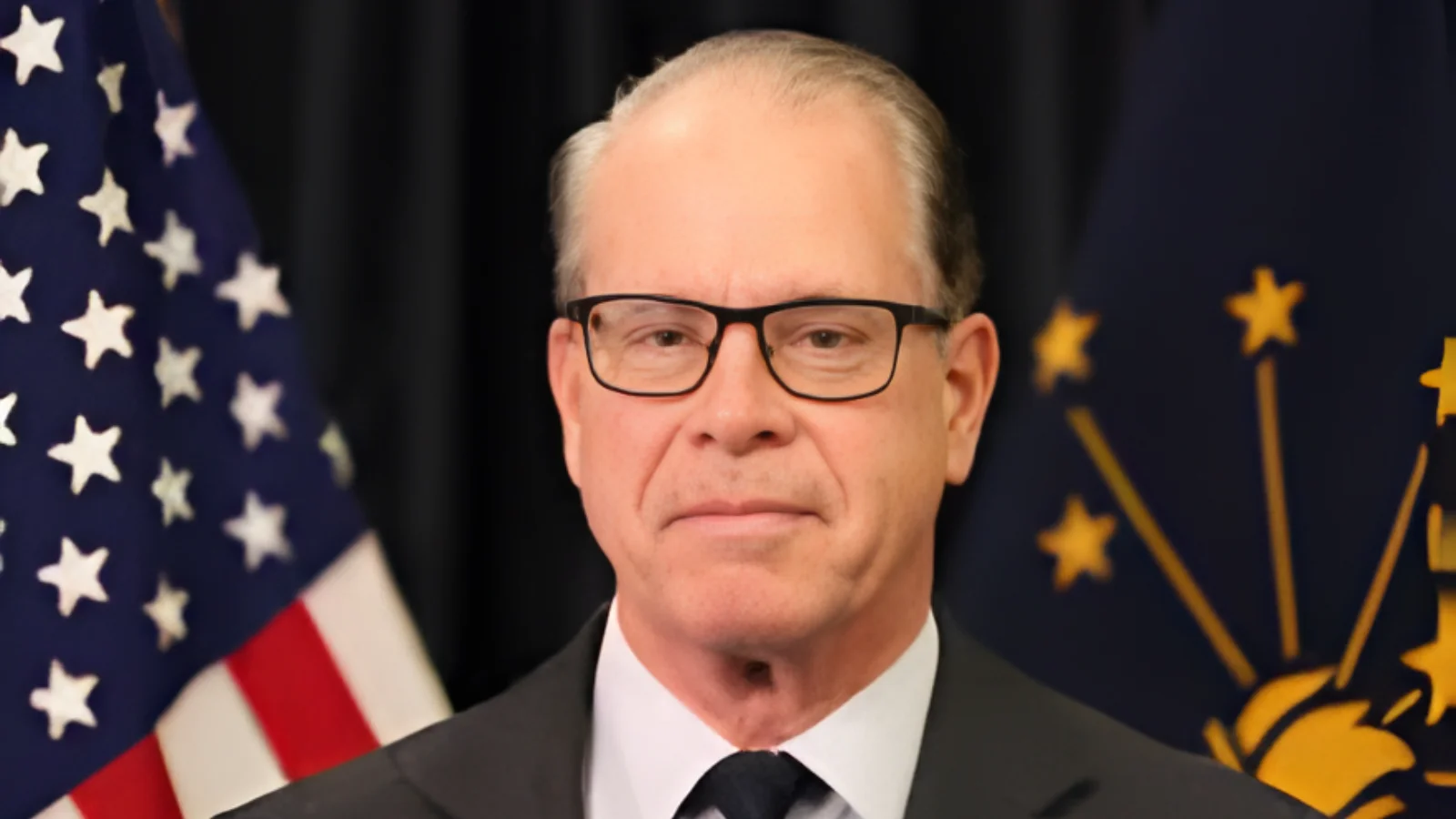
Indiana has enacted a law requiring applicants to show three consecutive months of work or similar activities—the longest period allowed under the new federal guidelines. Governor Mike Braun signed this bill into law on March 4, making Indiana the first state with such a requirement. Idaho has also approved a three-month rule after its governor signed similar legislation on April 10. Other states including Arizona, Missouri, and Kentucky are considering measures that restrict flexibility in how these rules are implemented.
Lucy Dagneau of the American Cancer Society's advocacy arm said, "Normally, you would not see state legislators weighing in on these decisions." The Congressional Budget Office estimates that about 18.5 million adults will be affected by these new regulations across 42 states and Washington D.C., though children, seniors over age 65, and those with disabilities or serious illnesses would generally be exempt.
Supporters argue that tighter requirements protect public resources and reduce fraud. Republican state Senator Chris Garten said his bill aligns Indiana law with federal standards and helps prevent waste: "When ineligible people get enrolled, it robs 'the truly vulnerable Hoosier who actually needs the help.'" Garten later added: "We believe in a safety net for our most vulnerable, not a hammock for able-bodied adults that choose not to work... By tightening these screws we ensure that our safety net remains sustainable." However, Democratic Senator Fady Qaddoura questioned whether there was evidence supporting claims of widespread fraud and accused Republicans of using such arguments as justification to deny benefits—a claim Garten called a "fundamental mischaracterization" of his bill.
Some advocates warn about unintended consequences from stricter policies. Adam Mueller from the Indiana Justice Project said many could struggle with proving their employment history: "If the point is to get people engaged, the one month would do it... They're going to get tripped up by bureaucratic hurdles." A Center on Budget and Policy Priorities analysis found that implementation choices—such as shorter look-back periods—could lessen coverage losses caused by new barriers.
Individuals directly affected voiced concerns as well. Anna Meyer from Missouri said she fears losing her Medicaid despite meeting requirements due to administrative errors: "I have been working since I was 15 years old... I work very hard." Dr. Jessica Norton in St. Louis observed patients being removed from coverage soon after childbirth despite supposed exemptions; she criticized lawmakers' message: "They are saying 'Oh actually health care is a privilege and you have to earn it.'"
Missouri lawmakers are also seeking constitutional changes preventing optional hardship exemptions intended for those temporarily unable to work—such as rural cancer patients needing time away from jobs during treatment trips—as described by Emily Kalmer of the American Cancer Society's advocacy arm: Time is "very important in the life of a cancer patient or cancer survivor," Kalmer said.
As more states debate how strictly they should implement these rules—or if further restrictions should be added—the outcome may shape healthcare access for millions relying on Medicaid.

