
Researchers at University College Dublin announced on Apr. 16 the discovery of a previously unknown "courier system" that cells use to deliver biological messages to each other, potentially opening new possibilities for medicine and biotechnology.
The finding could help scientists develop ways to target treatments to areas in the body that are currently inaccessible with conventional delivery methods. The researchers said these courier systems have 'keys' that allow them to access natural gateways within cells, enabling delivery of therapeutic molecules across biological barriers.
"By gaining access to these natural gateways, it could be possible to ferry 'toolkits' of functional biomolecules, for example extended corrective messages, directly into previously inaccessible areas within cells, and across biological barriers, greatly improving the effectiveness and, importantly, the safety of RNA-, gene- and protein-based therapies," said Associate Professor Yan Yan from UCD School of Biomolecular and Biomedical Science.
The study published in Nature Materials describes how certain nanoparticles entering a cell can undergo an unexpected transformation by acquiring a coating called a "condensate corona." This dense droplet is formed from the cell's own proteins and RNA. The coating carries a small biological program that remains intact as it moves between cells. Using tiny magnets embedded inside these droplets, researchers were able to capture them mid-transit before they delivered their messages.
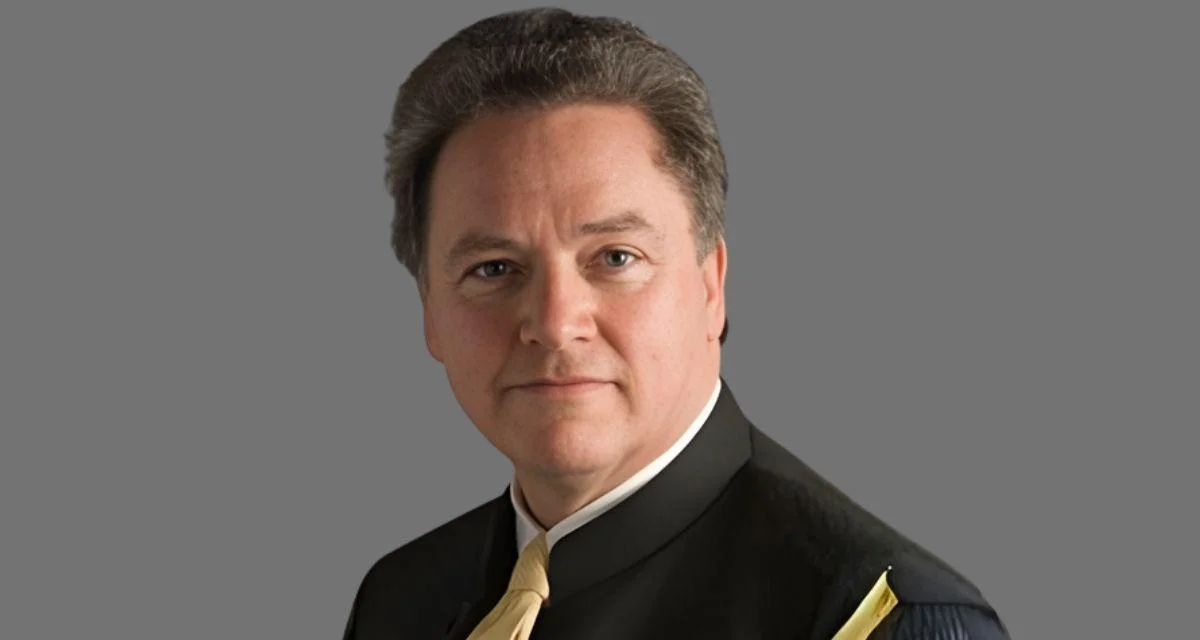
Once inside recipient cells, this coating detaches efficiently from the degradation system so that its proteins and RNA remain active and can influence how those cells function. Lead author Professor Kenneth Dawson, Director of CBNI at UCD said: "We had long believed that there are natural couriers and gateways that allow special, very small particulates to communicate in organisms." Dawson added: "With the prototype in our hands, we were able to break into these communications and understand how biological information is shared between cells. From there, we began to send our own messages via the same system." He continued: "The findings provide a new blueprint for sending strategic and therapeutically effective biological messages to currently inaccessible locations in the body. That points towards a new concept of medicine that could reverse, rather than manage, currently intractable diseases."
The research was led by Professor Kenneth Dawson and Associate Professor Yan Yan at University College Dublin’s Centre for BioNano Interactions (CBNI), along with other collaborators.



