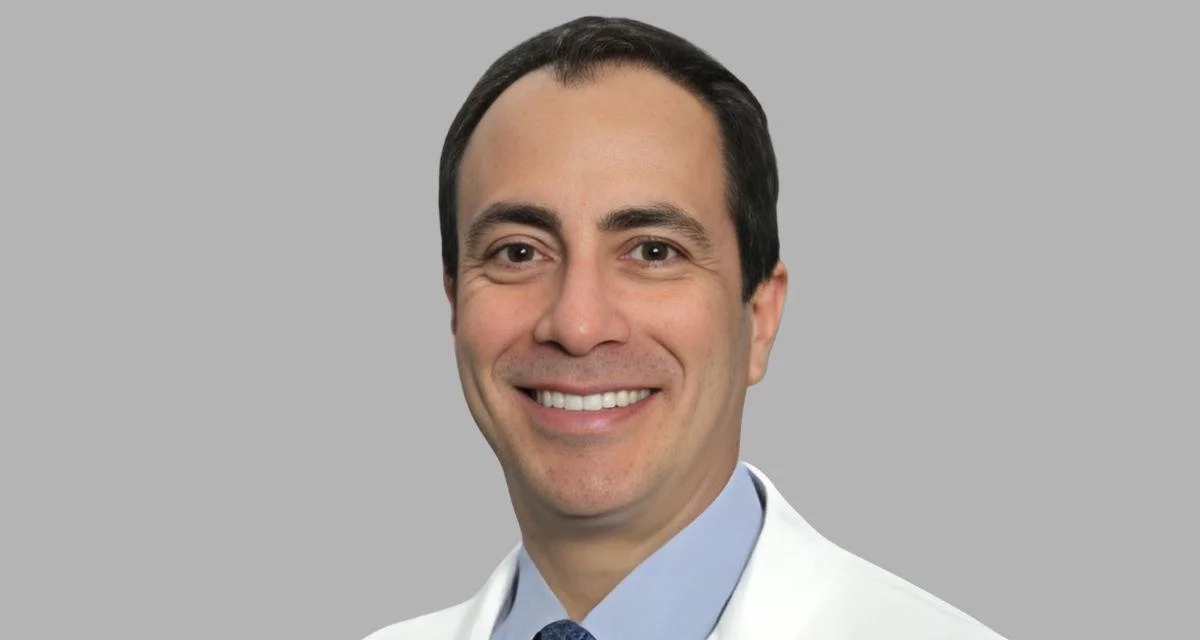

Hepatologists trained in primary palliative care are able to provide quality-of-life benefits to patients with advanced liver disease that match those delivered by specialist palliative care providers, according to a study published on Apr. 13.
The findings address a major gap in access to palliative care for people with advanced liver disease (ALD), who often face significant health challenges but have limited opportunities for supportive treatment. The multicenter PAL LIVER trial, led by Manisha Verma, MD, and Victor Navarro, MD, at Jefferson Einstein Philadelphia Hospital, enrolled 935 patients across 19 U.S. centers—making it one of the largest studies of its kind.
In the trial, both hepatologists and palliative care specialists used a standardized checklist over four monthly visits to deliver supportive care. Quality of life improved significantly in both groups over three months; symptom burden and short-term mortality were also similar between groups. Patients reported higher satisfaction when receiving palliative support from their own hepatologist rather than an outside specialist. "By embedding palliative care within hepatology clinics, this would allow earlier and more widespread access for patients who might otherwise not receive it," adds Dr. Verma.
The study was funded by the Patient Centered Outcomes Research Institute (PCORI) and included input from a patient and caregiver research advisory board representing multiple centers throughout the process. "At the time the grant was awarded, this was one of the largest grants funded by PCORI for palliative care research," says senior author Dr. Navarro.
Researchers plan next steps including scaling up training programs for providers and developing comprehensive patient education materials to help integrate this model into routine practice. They also hope artificial intelligence tools could further support adoption of these approaches nationwide.
Drs. Verma and Navarro suggest that similar integrated models could be extended beyond liver disease to other chronic illnesses such as heart failure or kidney disease—a potential benefit given that more than 13 million Americans may need expanded access to palliative services.



