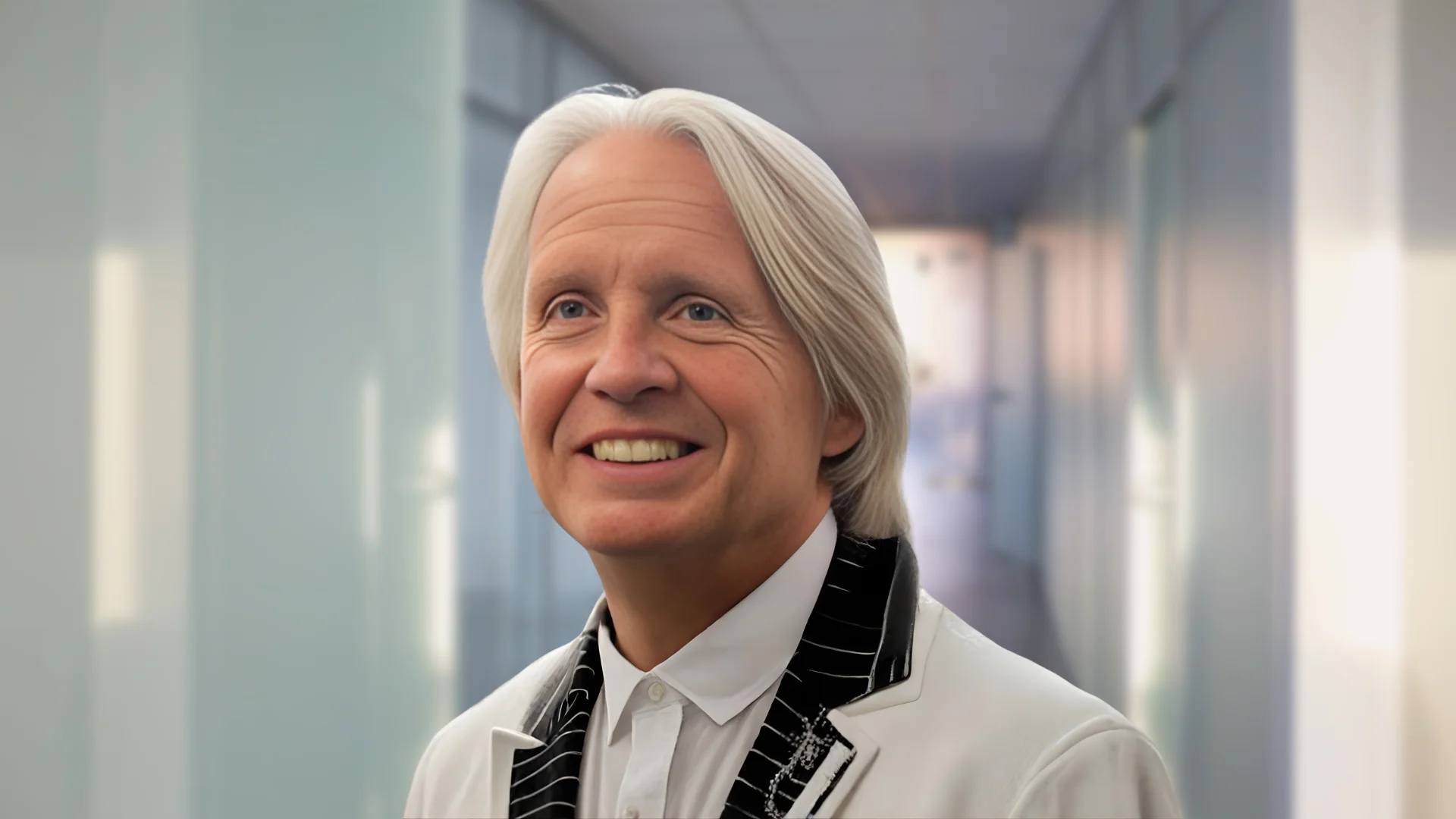

A team of Lithuanian scientists announced on Apr. 10 that they have discovered a new approach to cartilage regeneration using extracellular vesicles from menstrual blood stromal cells. The study found that these vesicles could stimulate cartilage repair, suggesting a potential future cell-free therapy for osteoarthritis.
Osteoarthritis affects more than 600 million people worldwide, with most patients being over the age of 55 and the majority female. As populations age and rates of obesity and injury increase, the prevalence of osteoarthritis is expected to rise further. Current treatments mainly address symptoms such as pain and inflammation but do not stop or reverse cartilage degeneration.
The researchers focused on regenerative medicine techniques that use stem cell technology and tissue engineering to restore human tissues. In their experiment, they collected menstrual blood samples from three healthy donors and post-surgical tissue samples from ten female donors with osteoarthritis. Biological scaffolds were used to stabilize the extracellular vesicles (EVs) and support their interaction with cells.
Dr Uzielienė said, "What surprised us most was that the therapy worked even in cartilage cells from older postmenopausal women, whose natural regenerative capacity is already greatly reduced. Despite this, extracellular vesicles from menstrual blood cells not only improved cartilage cell function and slowed tissue degradation but also increased progesterone receptor expression in the older cartilage cells, where only minimal traces would normally remain." She explained that this approach represents an innovation by proposing a cell-free therapy based on EVs rather than whole cells.
To enhance treatment outcomes, researchers are developing biological scaffolds capable of protecting fragile EVs and releasing them gradually under joint pressure or movement. Dr Edvinas Krugly of KTU Faculty of Chemical Technology said, "While building biomimetic scaffolds, the biggest challenge is that a biomedical material must excel in all areas simultaneously - it must be chemically stable, mechanically robust, biologically compatible and practically manufacturable. This is particularly complex in the case of cartilage..."
Krugly also emphasized interdisciplinary collaboration as key to progress in regenerative medicine: "A chemist may develop a new material, but without cell biologists, physicians, and experts from bioengineering and pharmacy, it is impossible to fully understand its effects..." He added his motivation was "to develop new methods of research and treatment," noting breakthroughs sometimes come through new materials or delivery platforms rather than medicines themselves.
As research continues into biomimetic materials for delivering therapeutic agents like EVs more effectively within joints affected by osteoarthritis, scientists hope these advances will eventually lead to improved therapies.



