
The University of Cincinnati has enrolled the first patients in a clinical trial to test an investigational drug aimed at treating prosthetic joint infections, according to an April 10 announcement.
Prosthetic joint infections (PJI) are a complication that can occur after joint replacement surgeries, which number about 5 million annually in the United States and Europe. The condition is difficult to treat due to biofilm formation on implants, making standard treatments less effective.
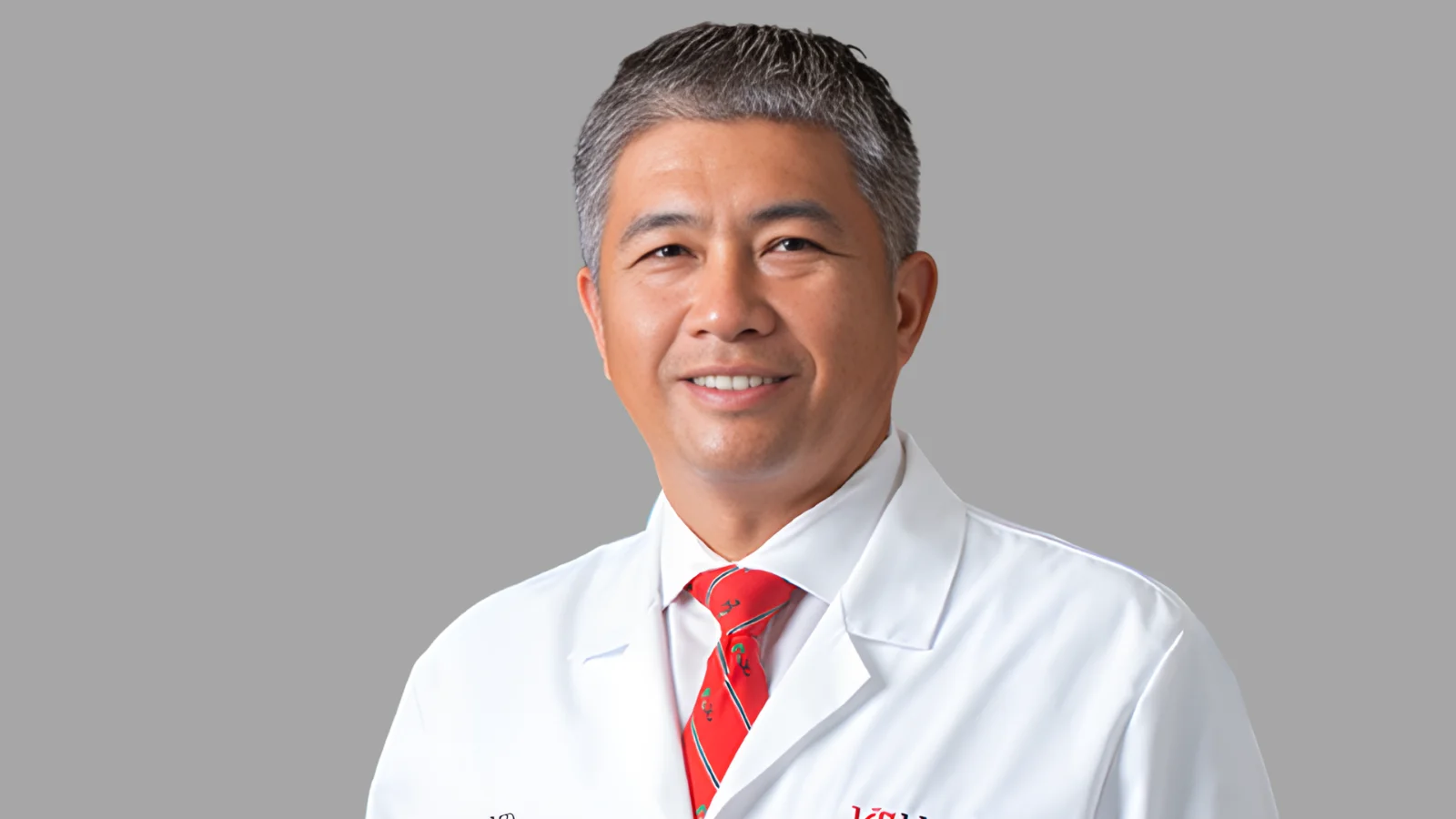
T. Toan Le, MD, professor in the Department of Orthopaedic Surgery at the College of Medicine, said two patients have been enrolled in Peptilogics' RETAIN trial. "In about 2% to 3% of these cases, the prosthetic joints can become infected," said Le. He explained that bacteria form a biofilm on implant surfaces that prevents removal by debridement, antibiotics or the immune system.
Current treatment often involves a two-stage revision surgery where the infected implant is removed and replaced after using a spacer. This procedure carries risks and has up to a 25% failure rate according to Peptilogics. The RETAIN trial will test whether a peptide solution can penetrate this biofilm during debridement and antibiotics with implant retention (DAIR), potentially expanding treatment options beyond the current two-week window after symptoms appear.
"Once debridement is complete, we will use the peptide solution to irrigate the infection site, leaving it in place on the prosthetic joint for about 15 minutes toward the end of surgery," said Le. Half of participants will receive this solution while others get saline as placebo.
The study plans to enroll up to 240 patients across as many as 50 sites. Each participant will be monitored for persistent or recurring infection over one year through clinic visits or remote follow-up methods.
"If this trial is successful, it could make it much easier for treating orthopaedic surgery patients to manage infection and avoid the two-stage revision surgery," said Le. "It's a very well-designed clinical trial with excellent support for all sites."