
Researchers from Mississippi State University's Social Science Research Center, working with Oak Ridge National Laboratory scientists, reported on Apr. 7 that the decline in U.S. cancer death rates since 1991 has not been experienced equally across all communities. Their study, published in the British Journal of Cancer, analyzed nearly 3,000 counties from 1981 to 2019 and found that urban and affluent areas saw more significant improvements.
The findings matter because they show how place and socioeconomic status can affect health outcomes for millions of Americans facing cancer risk. While national statistics highlight progress against cancer mortality overall, the study reveals disparities that persist between different types of communities.
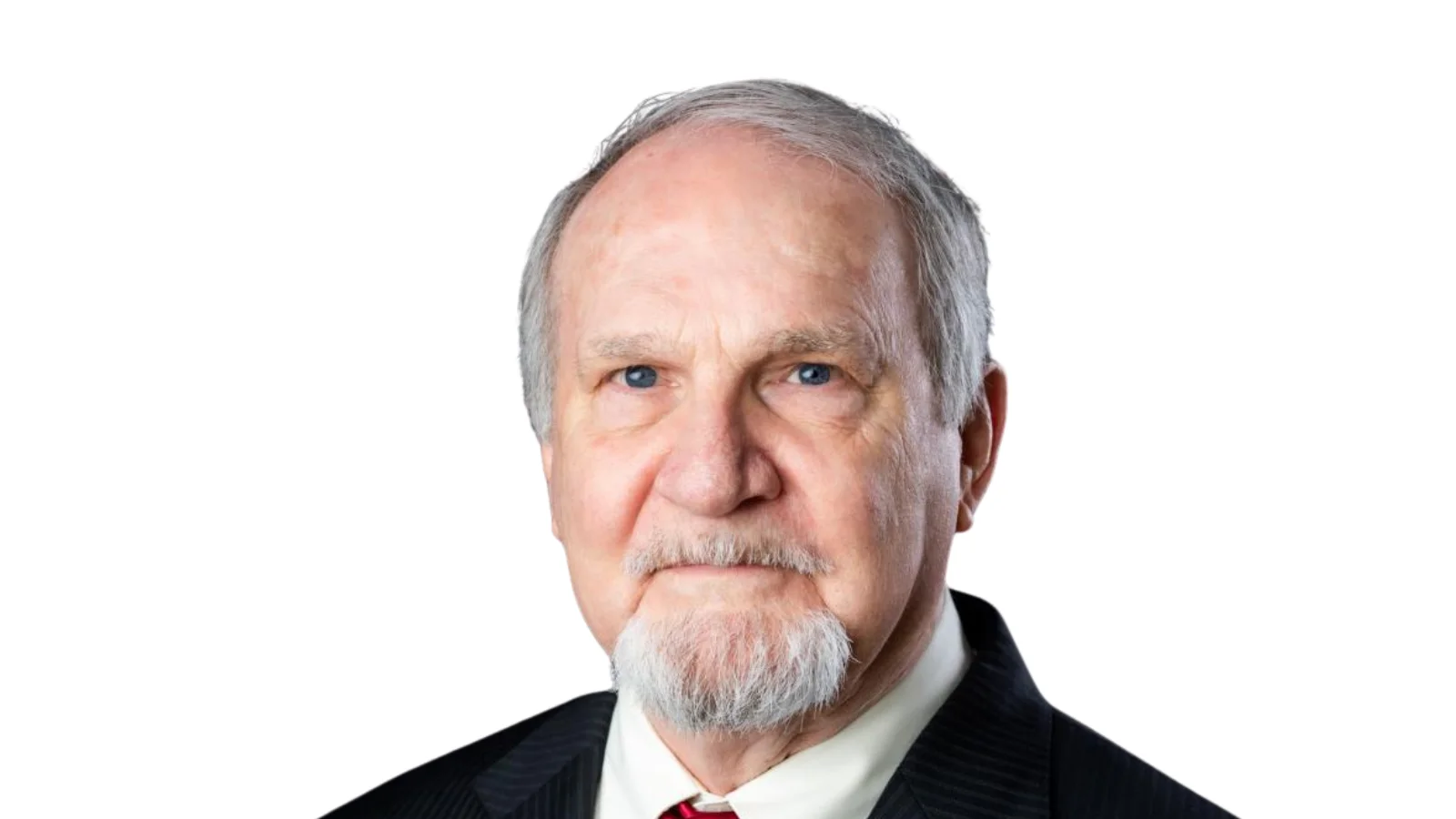
Arthur G. Cosby, Giles Distinguished Professor Emeritus at MSU SSRC and lead author of the study, said "Place can make a huge difference in health outcomes, and this was certainly true for county cancer mortality. The geographic differences were stark." He explained that large urban centers along both coasts consistently had higher rates of improvement than rural or smaller interior cities.
The research team used death certificates from over 23 million cancer deaths collected by the Centers for Disease Control and Prevention to track changes before and after the peak year of 1991. They found that by 2019, people living in the highest-income counties experienced improvements about seven times greater than those in the lowest-income counties.
Cosby said multiple factors contributed to these results: "Wealthy, metropolitan New York City has been aggressive in instituting tobacco control measures, and the results show. Manhattan Borough had a lung cancer rate of 49 per 100,000 in 1991. By 2019, it cut its rate to 19.6—a 60% reduction." He added that preventive measures such as tobacco warnings and smoke-free laws have played an important role but noted differences at county levels likely reflect varying adoption rates for these practices.
Other contributors to this study include Viswadeep Lebakula from Oak Ridge National Laboratory; Gina Mendez Rico from MSU SSRC; Karissa Bergene at George Mason University; Mackenzie Bumgarner; and Alina Peluso at Oak Ridge National Laboratory.



