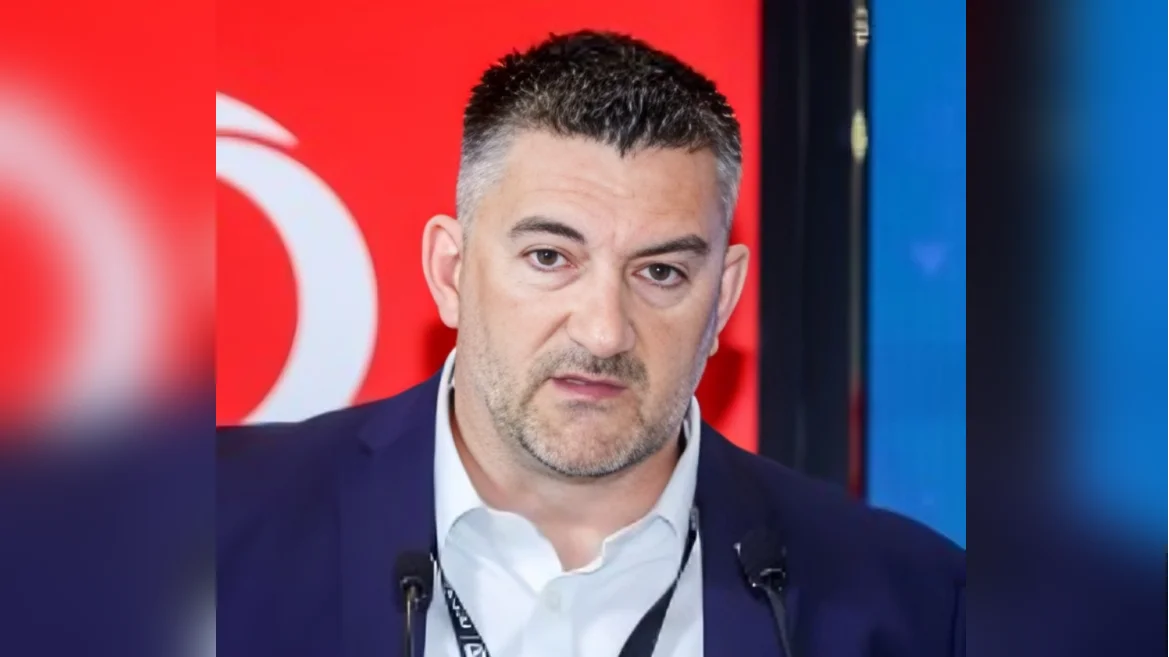

The U.S. Food and Drug Administration approved the first gene therapy for severe leukocyte adhesion deficiency-I, a rare pediatric immune disorder, according to an announcement on Mar. 27. The approval follows more than three decades of research by Dr. Donald Kohn, who led the clinical trial at UCLA.
Severe leukocyte adhesion deficiency-I affects about one in a million children worldwide and is caused by mutations in the ITGB2 gene that impair the function of proteins essential for white blood cells to fight infections. Without treatment, children with this condition face frequent life-threatening infections and rarely survive beyond childhood.
The newly approved therapy, called Kresladi, was tested in a clinical trial involving nine patients aged five months to nine years from around the world. Six patients were treated at UCLA while three received care in London and Spain. The trial was conducted through collaboration between UCLA investigators and Rocket Pharmaceuticals, which sponsored the study.
Kresladi works by inserting a healthy copy of the ITGB2 gene into each child’s blood stem cells before returning them to their bodies. This approach enables patients’ own cells to produce functional immune cells without risk of rejection or graft-versus-host disease seen with donor transplants. All nine participants survived without needing bone marrow transplants or experiencing graft failure or immune rejection; they also showed fewer severe infections requiring hospitalization.
Dr. Kohn said: "Seeing these patients annually for their follow-ups visits and witnessing that they no longer battle life-threatening infections has been incredibly meaningful." He added: "Hopefully, an approval like this one will encourage other companies to invest in these kinds of therapies and recognize that there is a pathway to make these commercially available... We've reached a point where it's not the science that's limiting more of these therapies from becoming available, but rather commercial investment. This could help turn that tide."
Rocket Pharmaceuticals developed Kresladi with support from the California Institute for Regenerative Medicine (CIRM), which co-funded clinical trials as part of its mission since 2004 to accelerate stem cell therapies.
Looking ahead, confirmation of long-term benefit will depend on further follow-up data from ongoing studies as well as information gathered through post-marketing registries.