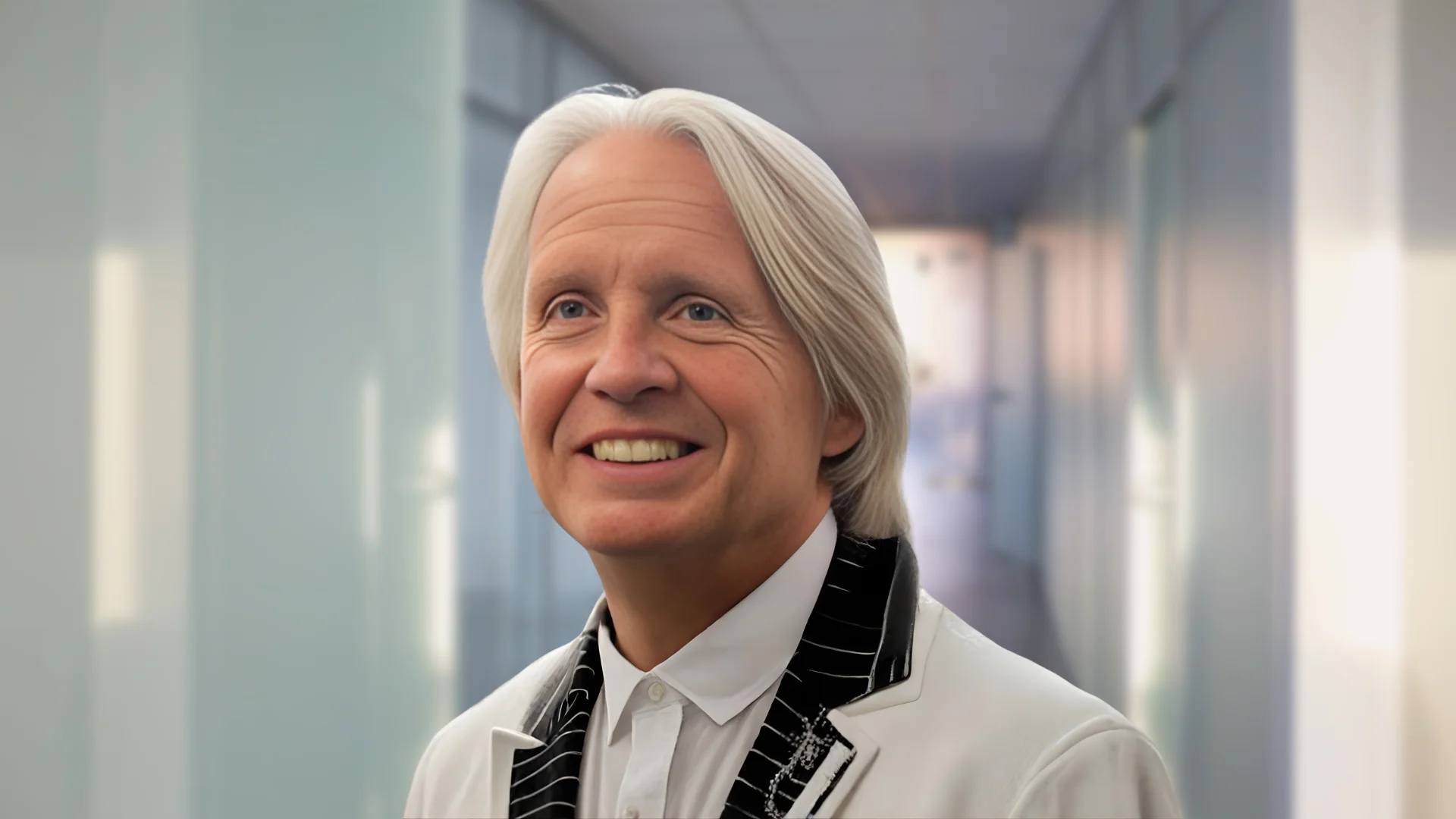

Researchers at the University of Oslo announced on Mar. 25 a discovery that a molecule found in passion fruit, called alpha-amyrin, may help slow the progression of Alzheimer’s disease. The study, published in Advanced Science, highlights that alpha-amyrin appears to protect key processes in the brain and could potentially be used as an ingredient in future medicine for Alzheimer’s.
Alzheimer's disease is a common cause of dementia and is characterized by memory loss, language difficulties, and personality changes. It develops slowly over several years due to a build-up of protein waste products in the brain that damage nerve cells. According to Associate Professor Evandro Fei Fang‑Stavem at the University of Oslo and Akershus University Hospital, "After four years of hard work, we have managed to uncover what the passion fruit's secret is." He said their research shows alpha-amyrin protects important processes in the brain.
The team studied mice with Alzheimer's disease who received supplements containing alpha-amyrin. They observed fewer waste products accumulated and improved performance on memory tests compared to those not given the supplement. Dr. Shu‑qin Cao from the University of Oslo said: "So, the fact that alpha‑amyrin found in passion fruit actually protects the mitochondria is a major finding." She explained further: "Alpha‑amyrin supported the brain's own control system and helped the cells to remove the rubbish and avoided inflammatory environments, so that mitochondria could function normally." The researchers also discovered that alpha-amyrin modulates specific proteins involved in mitochondrial quality control.
In addition to laboratory findings, epidemiological data over ten years showed high consumption of colourful fruits like passion fruit correlated with lower risk of dementia among people studied. Cao noted: "We know from previous research that eating colourful fruit and vegetables is good for the brain...These ingredients protect mitochondria and help preserve memory." Fang-Stavem concluded: "Our epidemiological data undoubtedly indicate that high consumption of colourful and nutritional fruits...correlates with low dementia risk; and our 5-year preclinical study...has unveiled mechanisms on why a passion fruit molecule can forestall dementia progression..."
The project was led by Prof. Evandro Fei Fang-Stavem with first author Dr. Shu-qin Cao at Oslo University alongside international collaborators from Switzerland, Thailand, Spain, China, United Kingdom, and Greece.
Looking ahead, researchers plan further studies including clinical trials on bioavailability, safety, and efficacy against dementia when funding allows. The university has licensed commercial development rights for alpha-amyrin to HK Longevity Science Laboratory.



