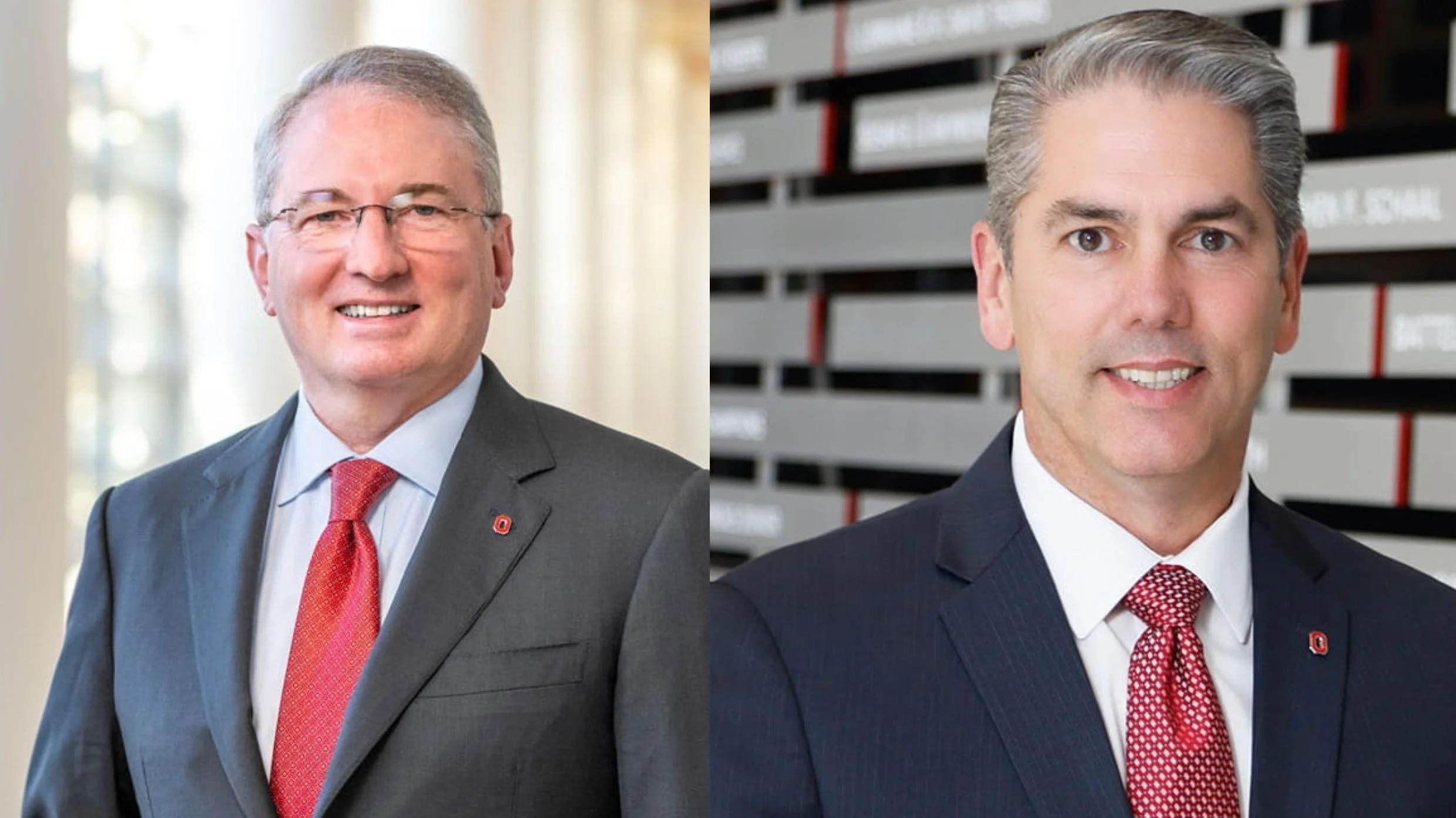

Dr. Pavan Reddy, director of the Dan L Duncan Comprehensive Cancer Center at Baylor College of Medicine, and his team announced on Mar. 24 a discovery that challenges long-held beliefs about how T cells in the immune system attack target cells. The findings, published in Nature Immunology, were made in collaboration with Drs. Arul Chinnaiyan and Marcin Cieslik from the University of Michigan Rogel Cancer Center.
The study matters because it could change approaches to cancer immunology and bone marrow transplantation by revealing new ways to enhance immune responses against cancerous or foreign cells.
Traditionally, major histocompatibility complexes (MHC) have been understood to present signals only to specific types of T cells: MHC class I for CD8+ 'killer' T cells and MHC class II for CD4+ 'helper' T cells. However, Reddy's team found that when cancer cells lose MHC I expression—a tactic often used by tumors to evade CD8+ attacks—they become more vulnerable to CD4+ T cell-mediated killing through a process called ferroptosis, which is driven by iron and oxidative stress.
This phenomenon was observed not only in cancer models but also in studies involving graft-versus-host disease after bone marrow transplantation. Chinnaiyan's group further linked these laboratory findings with clinical outcomes by analyzing large patient datasets from those who received checkpoint blocker therapy for solid tumors.
"Our work, if further validated, will have implications for T cell-mediated immune responses beyond cancer and transplant immunology," Reddy said. "This may allow for the development of novel strategies that target MHC class I and CD4+ T cells to leverage the beneficial side of immunity or mitigate unwanted immune responses." The research involved contributions from scientists at Baylor College of Medicine, University of Michigan, and Howard Hughes Medical Institute.
The project received support from several National Institutes of Health grants as well as funding from the Cancer Prevention and Research Institute of Texas.