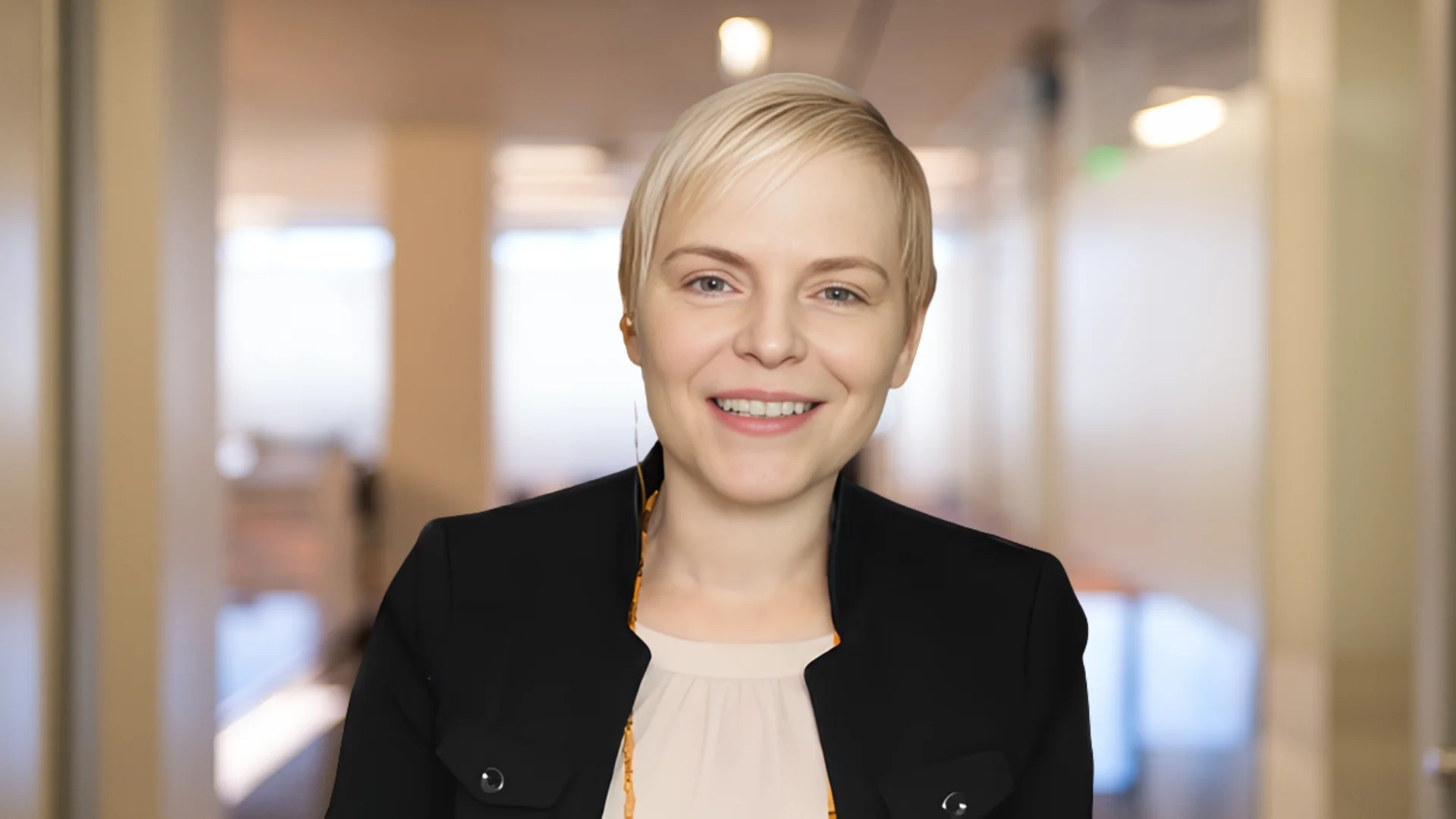

Ali Pashazadeh, co-founder and chairman of Treehill Partners, said on Mar. 24 that the biotechnology industry must accept fundamental changes in the funding environment if it is to succeed. Speaking after the J.P. Morgan Healthcare Conference in San Francisco, where Treehill Partners met with executives from more than 170 companies and hosted seven roundtable discussions, Pashazadeh described a shift away from pre-pandemic norms.
The issue is important because many biotech companies continue to operate under outdated assumptions about investment and commercial viability. According to Pashazadeh, "The world that biotech knew before the pandemic is not coming back, and the sooner the sector accepts this, the sooner we can build something better."
Pashazadeh explained that before the pandemic, venture capitalists funded numerous life sciences startups with an expectation that only a few would succeed but would generate high returns. The pandemic brought increased attention and capital into certain areas of biotech but also introduced operational delays and heightened risk levels. He said this led to market distortions: "Whilst some companies raised hundreds of millions on preclinical data and PowerPoint slides... others were heavily hit by operational delays." Since 2022, he noted there has been a prolonged funding drought as investors redirected capital toward sectors like artificial intelligence and climate technology.
At JPM 2026, Pashazadeh observed emerging signs of a new model for biotech investment—one less focused on blockbuster drugs and more attentive to commercial viability for products with lower peak sales potential. He emphasized: "Biotechnology needs to get its head out of the sand about commercial viability... brilliant science alone justifies investment. It does not." Companies now attracting capital are those able to justify their development budgets in terms of realistic market opportunities.
He highlighted inefficiencies in clinical trial design: "Approximately 85% of clinical studies could be designed better." Many programs move forward without commercially relevant product profiles or adequate consideration for how their data will support market access.
Pashazadeh also pointed out advances in Asian biotechnology: Chinese pharmaceutical development now matches or exceeds Western standards in some therapeutic areas; China accounts for around 20% of global drug development projects.
Despite these shifts, he stressed that strong fundamentals remain crucial: "The market will not fund hope. It will fund plans and the skills needed to implement them." For well-prepared companies willing to adapt strategies based on current realities rather than past expectations, he concluded there are genuine opportunities ahead.



