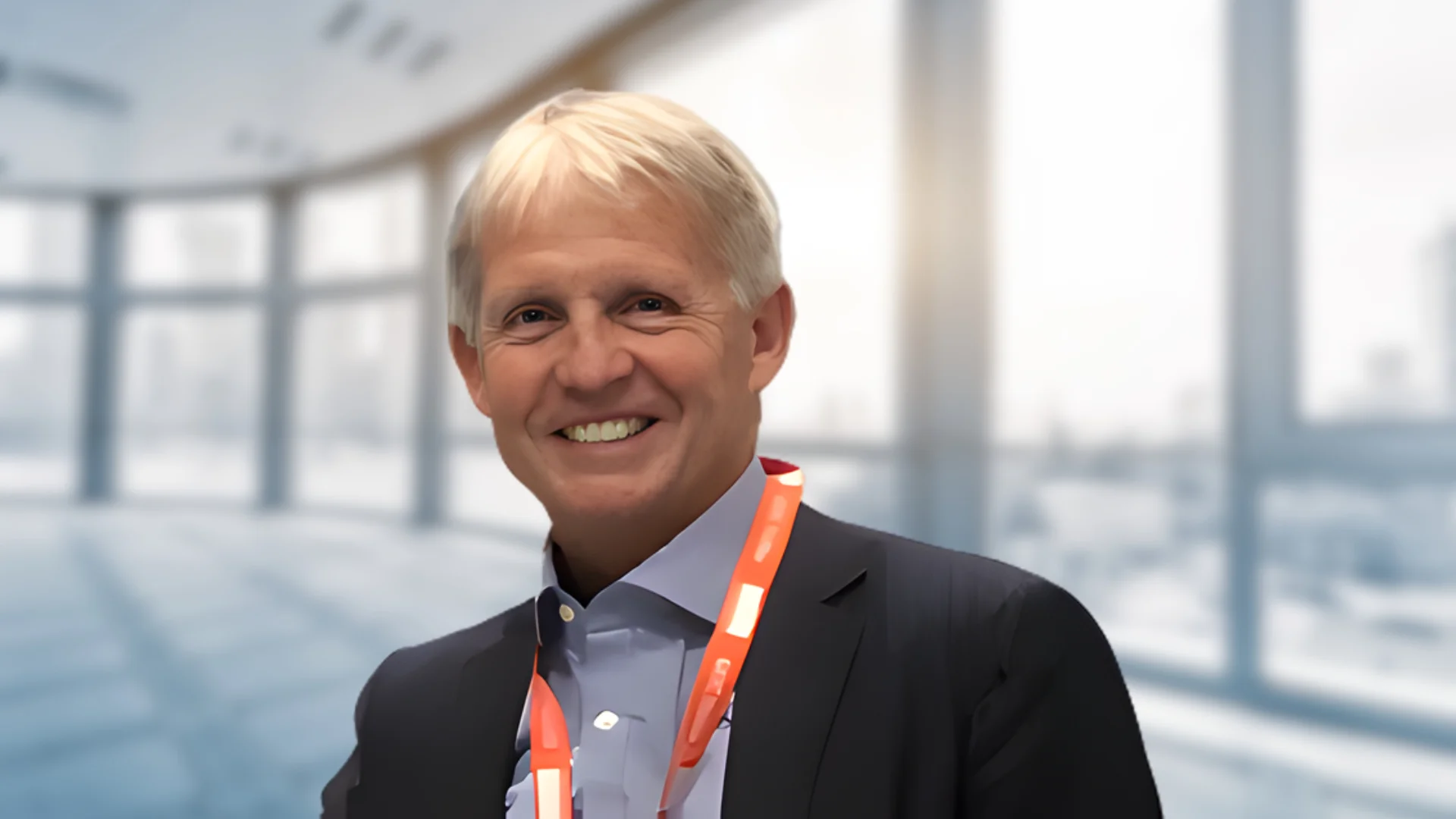

A recent review article published in Nature Reviews Disease Primers examines the wide-ranging neurological, psychological, and psychiatric effects associated with long COVID, according to a March 23 statement. The study, developed by an international panel of 14 experts including Brazilian neurologist Clarissa Yasuda from the State University of Campinas (UNICAMP), summarizes current knowledge on symptoms, biological mechanisms, diagnosis methods, and challenges related to this chronic condition.
Long COVID has affected an estimated 80 million to 400 million people globally since the end of the SARS-CoV-2 pandemic. The condition is linked to over 200 symptoms such as fatigue, shortness of breath, cognitive dysfunction, sleep disorders, depression, and memory loss. These issues significantly impact daily life and work capacity for many individuals.
The review discusses several underlying mechanisms that may explain these symptoms. They include persistent presence of SARS-CoV-2 in the body, reactivation of herpesviruses due to immune stress, chronic immune activation or dysregulation, imbalances in gut microbiota (dysbiosis), coagulation problems, endothelial damage affecting blood vessels and structural changes in the brain.
Diagnosis relies on clinical evaluation because there are currently no biomarkers for long COVID. Persistent or recurring symptoms must last at least three months after infection with SARS-CoV-2. Other possible conditions should be ruled out through blood tests or imaging studies when necessary.
The article also addresses quality-of-life concerns such as job loss or difficulty returning to work due to insufficient social support systems. Stigma remains a barrier for many patients seeking recognition or care—particularly among ethnic minorities—and can affect children’s educational experiences as well.
Economic impacts have been significant: In Brazil alone during 2024 more than 803 million work hours were lost due to long COVID—equivalent to roughly USD 11 billion in potential costs and about 400 thousand full-time workers absent from the labor market for a year. Globally it could cost up to USD 1 trillion annually—about one percent of worldwide economic output.
Yasuda herself experienced cognitive difficulties after contracting COVID-19 in August 2020 but reported improvement following dedicated recovery efforts: "At the time I described my recovery efforts and the strategies I used to cope with persistent limitations in cognitive performance. After a lot of effort and discipline I improved," she says.
Brazil's public health system SUS has monitored post-COVID conditions since 2021; by early this year official estimates put national cases at nearly fourteen million—with women aged thirty-to-forty-nine most affected.
The authors recommend multidisciplinary teams provide patient care while future research should recruit diverse participants reflecting different backgrounds and consider both medical factors and social determinants impacting outcomes. Yasuda’s group continues longitudinal research into how long COVID affects brain function: "Being invited to participate in this review was very important and an international recognition of the work we're developing at the BRAINN RIDC," says Yasuda.



