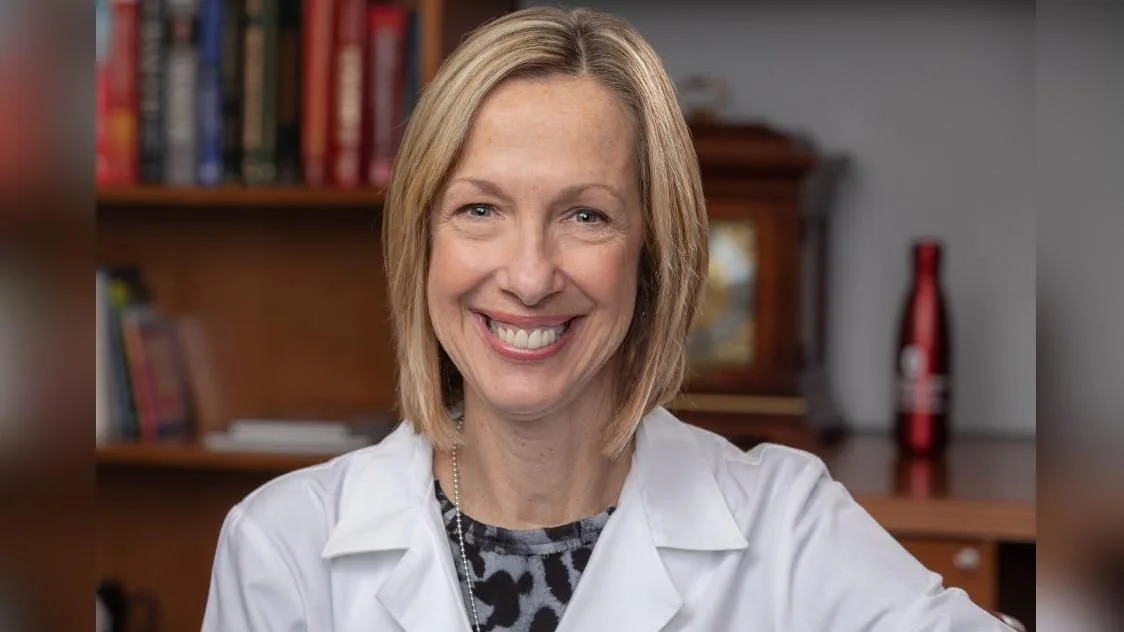

Ohio State Health and Discovery released guidance on Mar. 23 addressing the common difficulties people face in keeping weight off after dieting.
The topic is important because many individuals struggle to maintain their weight loss, often regaining pounds over time. The organization outlined several reasons why this happens, including restrictive diets, overly prescribed plans, insufficient calorie intake during the day, lack of exercise, inadequate sleep, and high stress levels.
According to Ohio State Health and Discovery, diets that are too restrictive or rigid can lead to binge eating or abandonment of healthy habits once the plan ends. "High protein, low carbs, no sugar – these diets don’t work in the long run. People start to dream about bread or wake up thinking about cookies or chips. They’re so restrictive that it leads to binging." The organization also said that prescribed short-term diets are not sustainable: "No one is going to follow anything like that for probably more than a week or two at the most. If you’re taking the weight off, what do you do after those two weeks? You can’t just keep following and repeating the diet forever."
Other factors highlighted include consuming too few calories during daytime hours—which often results in overeating later—and not meeting physical activity recommendations from groups such as the American Heart Association. "While any activity is better than none," they said, "work your way up to the minimum recommendation and beyond to lose weight." Sleep deprivation was also cited as a contributor due to its impact on hunger hormones: "Research shows that if you don’t get enough sleep... it seems to especially increase your levels of ghrelin." Chronic stress can drive people toward unhealthy food choices as well.
For lasting success with weight management, Ohio State Health and Discovery recommends tracking food intake and physical activity through journals; increasing fruit and vegetable consumption; weighing oneself weekly; being patient with gradual progress; and consulting registered dietitians for expert support.
The guidance comes as part of broader efforts by Ohio State Health and Discovery—an academic medical center with hospitals and outpatient facilities—to promote inclusive well-being by addressing societal issues such as health equity according to its official website. The center seeks advances in research, education, patient care and community involvement according to its official website, offering resources on wellness topics for communities locally in Ohio as well as globally according to its official website.



