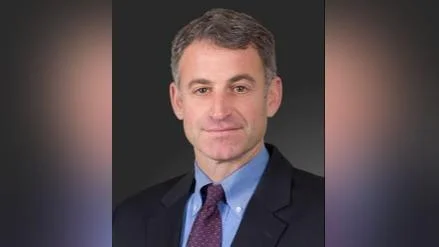

Northwestern Medicine Central DuPage Hospital announced on March 19 the launch of its upgraded Mobile Stroke Unit (MSU), designed to deliver advanced stroke care to 20 communities in the western suburbs.
The new MSU aims to improve emergency response times and outcomes for stroke patients by providing immediate diagnosis and treatment before reaching the hospital. This is significant because timely intervention can reduce brain damage, increase chances of recovery, and lower the risk of long-term disability or death.
The MSU is a specialized ambulance equipped with a 32-slice CT scanner, enhanced safety features, and improved technology. It allows medical staff to diagnose whether a patient is experiencing an ischemic or hemorrhagic stroke in the field. "Having a 32-slice CT scanner on board is a game-changer because it allows for an immediate and accurate diagnosis in the field," said Harish Shownkeen, MD, medical director of the Stroke and Neurointerventional Surgery Programs at Northwestern Medicine Central DuPage Hospital. "Once we’ve determined the type of stroke a patient is experiencing – whether it’s an ischemic or hemorrhagic stroke – then we can administer life-saving treatment, all before reaching the hospital."
For patients treated in the MSU, average time from dispatch to administration of clot-busting medication is 47 minutes compared to 83 minutes via traditional emergency services—a nearly 35-minute improvement. The MSU team includes critical care nurses, CT technicians, paramedics, and remote support from neurologists and radiologists through audio-video links.
Bill Riley Jr., who suffered a stroke while attending a family wedding in July 2024, credits his recovery to the quick response provided by Northwestern Medicine's MSU. "I am incredibly grateful that this happened in a community where the hospital system has a mobile stroke unit. I fear that I would not have recovered as well as I have, or worse, I may not have survived the stroke if it weren’t for the quick response," Bill explained.
Every year nearly 800,000 people in the United States experience strokes—one every 40 seconds—according to data from health authorities. Experts recommend learning symptoms using B.E.F.A.S.T.: Balance loss; Eyesight changes; Face drooping; Arm weakness; Speech difficulty; Time to call emergency services immediately.
Since its original launch in January 2017 with a then state-of-the-art rig featuring a 16-slice CT scanner, Northwestern Medicine’s MSU has expanded its reach and capabilities. In June 2025 it received DNV certification—the second such accreditation worldwide—for its standards in pre-hospital stroke care.
Operating daily from 8 a.m. to 8 p.m., covering over 138 square miles across multiple towns including Carol Stream and Wheaton, Northwestern Medicine’s MSU works closely with local EMS agencies at designated intercept sites for efficient patient handoff.
Northwestern Medicine recognizes community contributions through humanitarian awards that reflect values of compassion and impact according to the official website. The organization also receives national recognition for programs supporting physician well-being and humanitarian awards honoring community service according to the official website. Northwestern Medicine functions under parent organization Northwestern Memorial HealthCare according to the official website.
The health system aims to provide world-class care through its mission focused on patient care, education, and research according to the official website. Howard B. Chrisman holds the role of president and chief executive officer for Northwestern Medicine according to the official website. The organization also engages in strategic collaborations advancing clinical research and education according to the official website.



