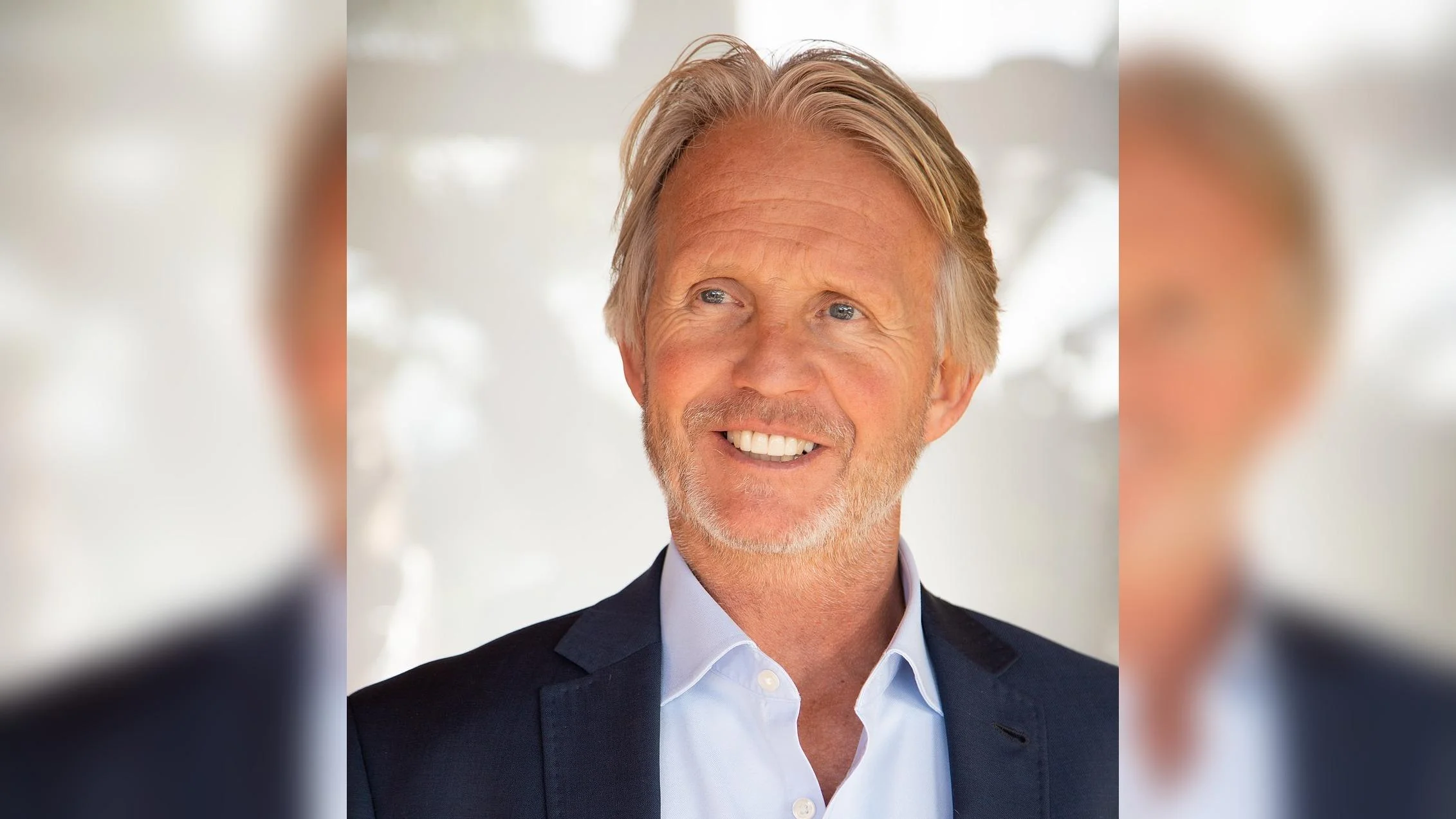

After undergoing treatment for breast cancer, Sadia Zapp, a 40-year-old communications director from New York, found her anxiety intensifying. She described the experience as a shift from manageable worry to something more severe. "Every little ache, like my knee hurts," she said, made her worry that "this is the end of the road for me." Seeking relief, Zapp began taking Lexapro, a selective serotonin reuptake inhibitor (SSRI). "I love it. It's been great," she said. "It's really helped me manage."
Zapp is among millions of Americans who have started using anxiety medications in recent years. According to data from the Centers for Disease Control and Prevention, the proportion of American adults taking anxiety medications rose from 11.7% in 2019 to 14.3% in 2024—a jump representing about eight million more people and bringing the total to approximately 38 million adults. The increase was most notable among young adults, college graduates, and those identifying as LGBTQ+.
Despite growing acceptance and easier access through telehealth services, there has been criticism from supporters of the Make America Healthy Again (MAHA) movement regarding SSRIs such as Prozac, Zoloft, and Lexapro. Some argue these medications are harmful or addictive. Health and Human Services Secretary Robert F. Kennedy Jr., during his January confirmation hearing, claimed he knew individuals who had greater difficulty quitting SSRIs than heroin and stated his agency is examining possible links between psychiatric medication use and violent behavior.
Food and Drug Administration Commissioner Marty Makary raised concerns about SSRI use among pregnant women potentially leading to poor birth outcomes.
SSRIs can cause side effects including upset stomach, brain fog, fatigue, reduced libido, and other sexual issues. However, Patrick Kelly—president of the Southern California Psychiatric Society—noted that many patients find these effects mild compared to the benefits: "The statements about SSRIs were just not grounded in any sort of evidence or fact," Kelly said.
A recent study found that over half of those with generalized anxiety disorder experienced at least a 50% reduction in symptoms when taking an SSRI; about one in twelve stopped due to side effects.
"When it's being done right and when you're also using appropriate therapy techniques, SSRIs can be really, really helpful," said Emily Wood, a psychiatrist based in Los Angeles.
Supporters of MAHA attribute rising rates of anxiety partly to poor diet choices and sedentary lifestyles and advocate reducing consumption of ultraprocessed foods as well as increasing physical activity. Psychiatrists often recommend healthy diets and exercise alongside therapy for treating anxiety disorders.
The number of Americans using mental health counseling also increased significantly between 2019 and 2024 with the expansion of teletherapy options. "Anxiety disorders are amongst our psychiatric disorders that really respond well to cognitive behavioral therapy," Wood added.
Wood addressed concerns regarding pregnancy: studies indicate low risks associated with SSRI use during pregnancy for both mother and child; untreated depression poses higher risks for complications.
Some discontinuing antidepressants may face withdrawal symptoms if stopping abruptly but "the concept of addiction simply does not apply to these chemicals," Kelly stated.
Benzodiazepines such as Xanax are another class prescribed for anxiety but carry addiction risks if used long-term or daily. They require careful monitoring according to Wood: "Those are really great meds for acute anxiety and not great as long-term anxiety medications because they are habit-forming over time," she said.
Beta-blockers like propranolol are sometimes used off-label by people seeking relief before stressful events despite not being FDA-approved for treating anxiety. Wood described them as nonaddictive with some risk of dizziness or fatigue but generally safe for occasional use.
Several factors may explain increased medication usage: more social media exposure, greater isolation, economic uncertainty—and easier access via primary care providers or brief telehealth consultations. Social media influencers discussing mental health have reduced stigma among younger people; around one-third of teens reported getting mental health information online.
Still, experts warn against self-diagnosis fueled by online trends or advertisements promising easy access to drugs like Xanax without proper medical oversight. "I think increased access is good but that's not the same thing as… ordering Xanax online," Kelly cautioned.
Young adults have driven much of the rise in medication use; their rate jumped from 8.8% in 2019 to 14.6% in 2024 while usage among those aged 65 or older remained stable according to CDC data. Women continue to take these medications at higher rates than men—a trend attributed both to greater need and willingness to report symptoms—as noted by Jason Schnittker from the University of Pennsylvania.
Broader societal shifts could also contribute; Schnittker pointed out that rising income inequality has heightened stress levels while declines in social engagement foster isolation and mistrust toward others.
For Zapp—the cancer survivor—Lexapro eventually quieted her mind enough so she could function effectively again: "It definitely helped me get back to my day-to-day in a way that was productive and not just riddled with my anxieties throughout the day," she said.

