
A recent study led by researchers at NYU Langone Health has found that a protein produced by stressed cancer cells, known as lipocalin 2 (LCN2), plays a significant role in helping lung and pancreatic tumors evade the immune system.
The study, published on February 18 in Nature, focused on the integrated stress response (ISR), a pathway that enables cells to survive under challenging conditions like nutrient shortages. Cancer cells, which experience constant stress due to their rapid growth, have this pathway permanently activated.
According to the research team, ISR activation in cancer cells leads to the production of activating transcription factor 4 (ATF4). ATF4 then triggers various genes that help tumor survival and prompts the release of LCN2. The team discovered that LCN2 communicates with macrophages—immune cells commonly found within tumors—encouraging them to suppress immune responses. This action prevents T cells from attacking tumor cells.
While ATF4 operates inside cancer cells, LCN2 is released outside, making it more accessible for drug targeting. Researchers developed an antibody therapy designed to bind and block LCN2. In mouse models lacking LCN2 or treated with this antibody therapy, tumor growth slowed as T cells were able to infiltrate tumors and attack cancerous cells.
Further analysis involved tumor samples from over 100 lung cancer patients and 30 pancreatic cancer patients. Patients with higher levels of LCN2 had a median survival of 52 months compared to 79 months for those with lower levels.
The combination of an LCN2-blocking antibody with existing immunotherapy drugs was found to be particularly effective in mice, leading to greater tumor shrinkage and improved survival rates in aggressive lung cancers.
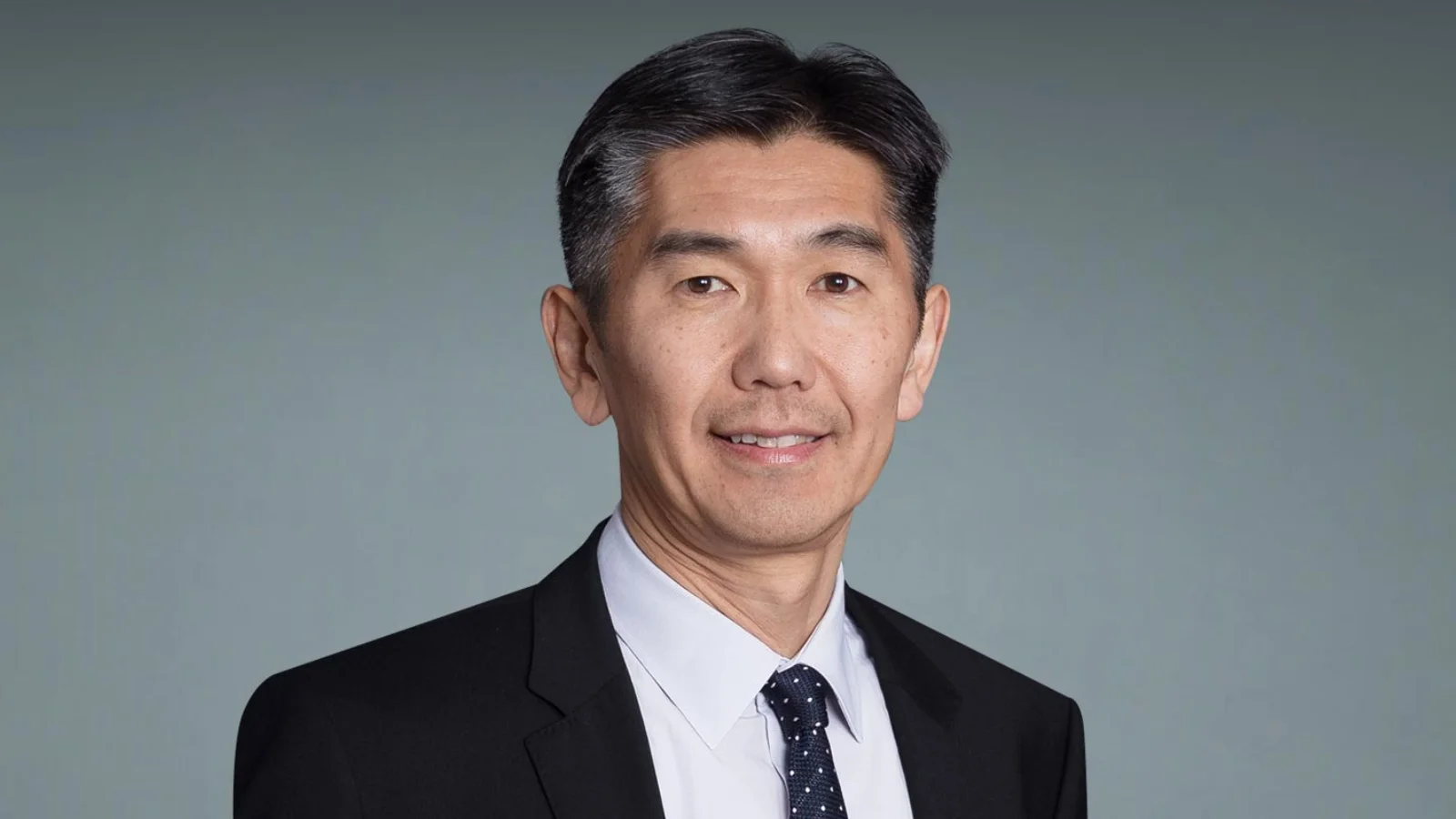
"Our results provide a clear rationale for developing therapies that target LCN2 in lung cancer patients," said Shohei Koide, PhD, professor at NYU Grossman School of Medicine and director of Cancer Biologics at Perlmutter Cancer Center. "We also want to explore whether this mechanism is active in other cancer types that resist immunotherapy."
The study involved contributions from researchers across multiple institutions including University of Pittsburgh, University of California San Diego’s Moores Cancer Center, Sungkyunkwan University School of Medicine in Seoul, Massachusetts Institute of Technology’s Department of Biology, and Institut Necker Enfants Malades (INEM) in Paris.
Funding for the research came from several sources including grants from the National Institutes of Health (NIH), American Cancer Society Research Scholar Grant RSG-17-200-01-TBE, National Science Foundation CAREER grant 2337385, Sale Johnson Philanthropic Fund, LEO Foundation, and ARC Fondation Postdoctorat scholarship.
Disclosures noted that Dr. Papagiannakopoulos received unrelated funding from pharmaceutical companies including Pfizer Medical Education Group and Bristol Myers Squibb. Dr. Shohei Koide has financial interests in several biotechnology firms but clarified these are not connected to the current work. Some authors are listed as inventors on a related patent; all relationships are managed according to NYU Langone Health policies.



