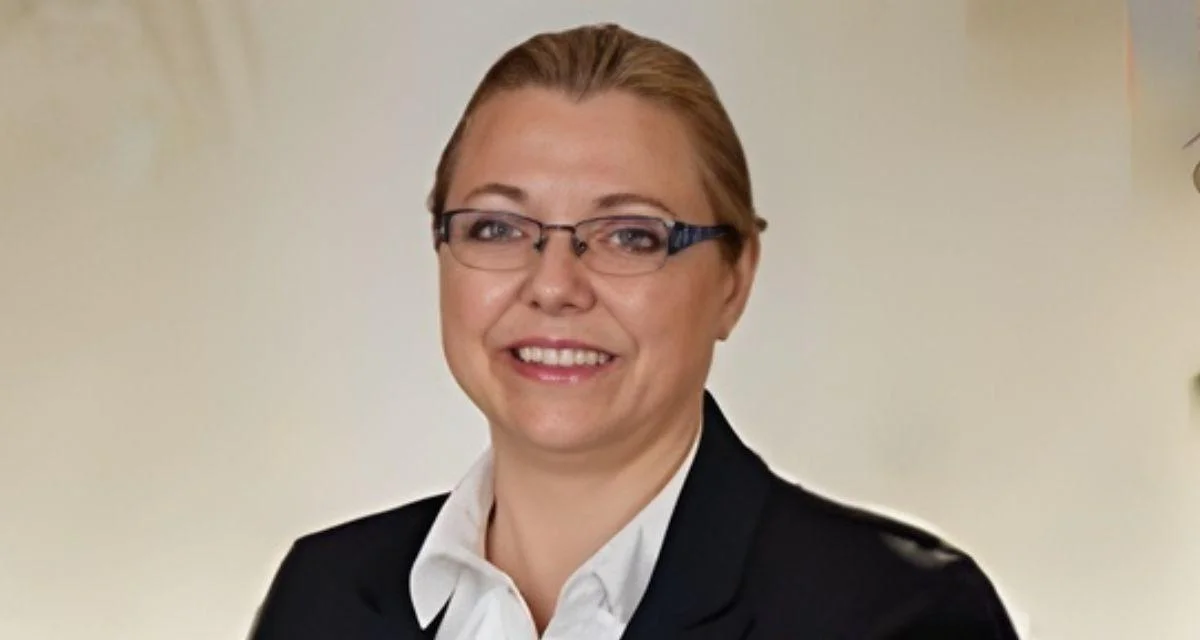

A new artificial intelligence tool may help clinicians identify patients at risk for life-threatening complications following stem cell and bone marrow transplants, according to research from MUSC Hollings Cancer Center. The tool, named BIOPREVENT, was developed by a team led by Sophie Paczesny, M.D., Ph.D., along with Michael Martens, Ph.D., and Brent Logan, Ph.D., from the Center for International Blood and Marrow Transplant Research at the Medical College of Wisconsin.
Chronic graft-versus-host disease (GVHD) is one of the most challenging complications after transplant. It occurs when immune cells from the donor attack the recipient’s healthy tissues and can affect multiple organs. This condition often develops months after transplantation and can result in long-term disability or death.
The researchers applied machine learning to analyze immune-related proteins and clinical data. BIOPREVENT estimates a patient’s future risk of developing chronic GVHD or dying from transplant-related causes. The study was published in the Journal of Clinical Investigation.
To develop the tool, data from 1,310 transplant recipients across four multicenter studies were analyzed. Blood samples taken 90 to 100 days post-transplant were tested for seven immune proteins associated with inflammation and tissue injury. These biomarkers were combined with nine clinical factors such as age, type of transplant, primary disease, and previous complications.
Transplant centers in the United States are required to submit detailed patient data to national registries like the Center for International Blood and Marrow Transplant Research. This standardized information helped ensure consistent quality in building the model.
The team compared several machine-learning approaches with traditional statistical methods. The best results came from Bayesian additive regression trees, which formed the basis for BIOPREVENT. Models that included both blood biomarkers and clinical data outperformed those using only clinical data, especially when predicting mortality related to transplants.
BIOPREVENT could separate patients into low- and high-risk groups based on their outcomes up to 18 months later. Different biomarkers predicted different outcomes; some indicated higher risk of death while others signaled likelihood of developing chronic GVHD.
The researchers made BIOPREVENT available as a free web-based application where clinicians can input patient details to receive personalized risk estimates over time.
"It was important to us that this not remain a theoretical model or a tool limited to a single institution," Paczesny said. "Making BIOPREVENT freely available helps ensure that researchers and clinicians can test it, learn from it and, ultimately, improve care for transplant patients."
Currently, BIOPREVENT is intended for use in risk assessment and research rather than direct treatment decisions. Paczesny noted that further clinical trials are needed to determine if acting on early risk signals can improve long-term outcomes.
"This isn't about replacing clinical judgment," Paczesny emphasized. "It's about giving clinicians better information earlier so they can make more informed decisions."
"For patients, the uncertainty after transplant can be incredibly stressful," Paczesny said. "We hope that tools like BIOPREVENT can help us see what's coming sooner and eventually lessen the toll of chronic GVHD."

