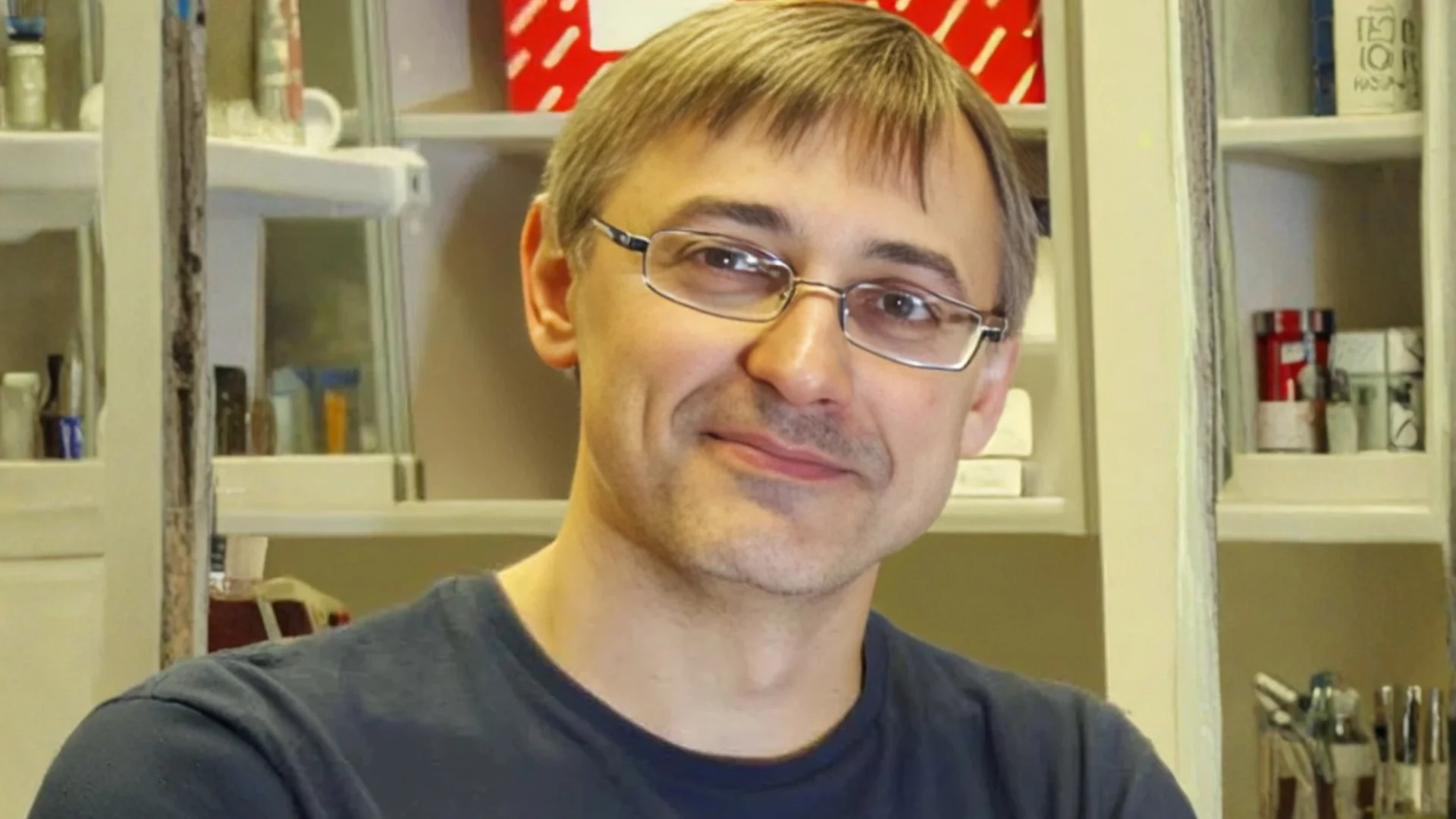

A research team from the Andalusian Centre for Molecular Biology and Regenerative Medicine (CABIMER) and the University of Seville, working with Virgen Macarena University Hospital, has found a key mechanism that connects the 24-hour circadian cycle to how precisely DNA breaks are repaired. The study focused on the circadian protein Cryptochrome1 (CRY1) and indicates that the timing of radiotherapy can affect its effectiveness in treating certain cancers.
Genomic stability is important to prevent cancer. Cancer cells often cannot repair their DNA well, so treatments like radiotherapy use this weakness by causing DNA breaks that tumor cells struggle to fix.
The researchers discovered that human cells repair DNA breaks following a circadian rhythm, meaning efficiency changes depending on the time of day. Repair activity is highest in the early morning, decreases through the day until nightfall, and then increases again during the night.
According to the research team: "Our research has identified that this regulation depends on a central component of the biological clock, namely the CRY1 protein. This protein acts as a timer and its abundance changes naturally during the day/night cycle. In fact, the repair process reacts directly to CRY1 levels."
They further explained: "When CRY1 levels are low (corresponding to early morning in humans), efficient DNA repair is stimulated. Conversely, when CRY1 levels increase (which occurs naturally in the afternoon/evening), repair is reduced, thereby increasing the sensitivity of cells to DNA-breaking agents such as ionising radiation."
This pattern influences both cancer progression and how tumors respond to radiotherapy. The findings suggest that higher CRY1 levels—which occur later in the day—could be used therapeutically.
"Thus, breast cancer patients with tumors expressing higher levels of CRY1 were found to be more sensitive to radiotherapy," according to study authors. They also reported: "In addition, a retrospective analysis of patient data from the Virgen Macarena University Hospital revealed a significant difference in overall survival based on the time of irradiation: treatment in the afternoon/evening, when CRY1 levels are naturally higher, made tumour samples more sensitive to radiotherapy and improved patient prognosis." This effect was seen in patients with prostate or breast cancer but not those with lung cancer or gliomas.
These results point toward possible benefits from giving radiation therapy at specific times—a strategy known as chronoradiotherapy.

