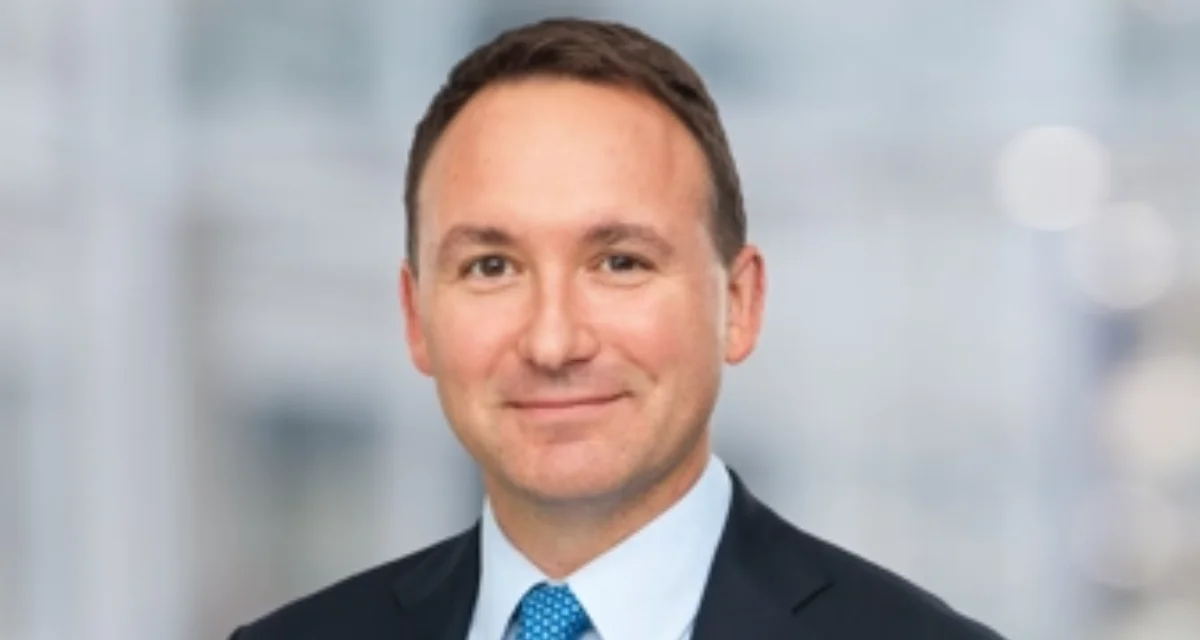

GSK has confirmed it will not pursue the development of GLP-1 drugs for obesity, choosing instead to focus on treating complications related to the disease. During a call presenting the company's full-year 2025 earnings, CEO Luke Miels said that entering the GLP-1 market would be challenging due to high competition.
“I think it’s going to be very crowded,” Miels told reporters. He acknowledged that while the mechanism behind GLP-1s is “fascinating,” it does not align with GSK's current pipeline strategy.
“Our focus is more on the downstream effects of obesity rather than addressing the actual obesity itself,” Miels added. “People, when they’ve been obese for a very long time, they get fatty liver and then ultimately, if things remain that way, they can get fibrosis of the liver.”
Reflecting this approach, GSK acquired efimosfermin alfa from Boston Pharmaceuticals in May 2025. The drug candidate is designed for steatotic liver conditions like metabolic dysfunction-associated steatohepatitis and is ready for Phase III trials. GSK paid $1.2 billion upfront and committed up to $800 million in milestone payments for this asset.
Miels also addressed recent layoffs at GSK affecting up to 350 employees in both U.K. and U.S. operations. “It’s a high-risk business. We’re going to have programs work, we’re going to have programs fail. If something fails, it’s an opportunity cost if we leave resources there,” he said during the call. “We need to be dynamic and we need to move resources and people to map where the opportunities are.” He did not specify which areas would see increased investment.
For 2025, GSK reported revenue of £32.667 billion (approximately $44.85 billion), marking a 7% increase compared with last year at constant exchange rates. HIV and respiratory disease were identified as top-performing sectors with revenues of £7.687 billion ($10.55 billion) and £7.068 billion ($9.70 billion), respectively.
The company experienced a significant decline in influenza product sales by 24%, down to £303 million ($415.96 million). Among key products, its dolutegravir franchise—which includes Tivicay, Juluca, and Dovato—generated £5.648 billion ($7.75 billion) in revenue during 2025.
Sales of Shingrix, GSK's shingles vaccine, grew by 8% overall to reach £3.558 billion ($4.88 billion), primarily driven by a 42% increase in Europe despite a decrease of 17% in U.S sales.
Looking forward, GSK forecasts turnover growth between 3% and 5%, with core profit expected to rise by 7%–9%. The company maintains its target of surpassing £40 billion ($54.84 billion) in revenue by 2031.

