
Many people experiencing hair loss or brittle nails, particularly those undergoing cancer treatment, often turn to biotin supplements in hopes of improving these symptoms. However, experts at The Ohio State University Comprehensive Cancer Center – Arthur G. James Cancer Hospital and Richard J. Solove Research Institute (OSUCCC – James) caution that there is little scientific evidence supporting the effectiveness of biotin for this purpose.
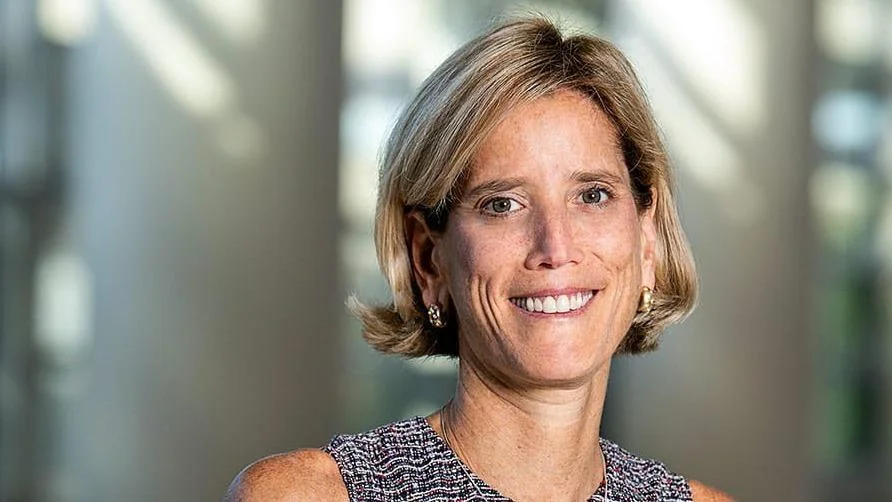
Brittany Dulmage, MD, an oncodermatologist at OSUCCC – James and associate director of dermatology at The Ohio State University College of Medicine, explained that taking biotin supplements can interfere with lab results and potentially delay or alter patient treatment plans. “The reality is that the supplements may cause inaccurate lab results, resulting in a delay or change in patients’ treatment plans,” she said.
Dr. Dulmage recently authored an article in JCO Oncology Practice urging cancer physicians to discuss hair loss with their patients and inform them about the potential impact of biotin on laboratory tests. She noted, “More than half the patients who come to see me with a problem related to hair loss are on a supplement that they’ve started on their own after learning about it online, by word of mouth and sometimes even at the advice of their doctor.”
Biotin is a water-soluble vitamin found in many common foods such as eggs, fish, meats (especially beef liver), certain vegetables like sweet potatoes, nuts, seeds and some fruits. Biotin deficiency is rare due to its prevalence in typical diets.
One concern highlighted by Dr. Dulmage is that biotin can mask changes detected by lab tests used for breast, ovarian, prostate and thyroid cancers because some assays rely on chemical reactions involving biotin. This interference does not affect hormone levels themselves but disrupts how these levels appear in blood work. Additionally, biotin can affect troponin measurements—an important marker for heart attacks—which could influence emergency cardiac care decisions.
“If you’re getting blood work like this done and want to continue taking biotin supplements,” Dr. Dulmage advised stopping supplementation 72 hours before testing. However, she acknowledged this might not always be possible: “No one’s planning to have a heart attack… so you can’t pause your biotin supplement before troponin levels are checked.” For this reason she recommends considering discontinuation altogether: “This is why I recommend to patients that they think about not taking biotin at all, especially since very few people are biotin deficient.”
For those seeking alternatives for hair loss related to cancer treatments or other causes, Dr. Dulmage suggests over-the-counter minoxidil as it has FDA approval for treating hair loss and has demonstrated safety and efficacy except during pregnancy or breastfeeding conditions. She added: “If you have been trying minoxidil for several months and not seeing any improvement or want to know about other options, see a dermatologist… There are many other types of treatments that may be an option.”
Ohio State Health & Discovery provides health information based on expert knowledge from areas including wellness initiatives and research advances through its academic medical center network comprising hospitals and outpatient facilities (https://health.osu.edu/). The platform emphasizes preventive care education while promoting innovations aimed at improving health outcomes both locally within Ohio as well as globally (https://health.osu.edu/).



