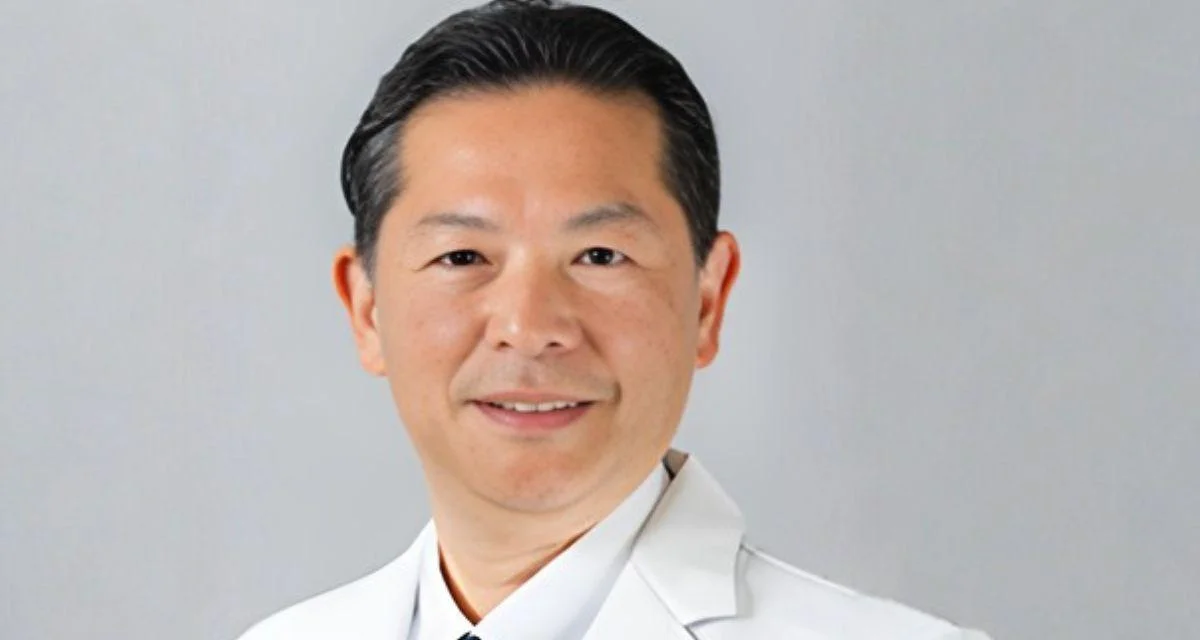

A research team in Japan has developed a new solid gel pad designed to improve patient comfort and image quality during ultrasound examinations. The study, led by Professor Hajime Monzen from the Department of Medical Physics at Kindai University, addresses several limitations associated with conventional liquid gels used as acoustic coupling agents in ultrasonography.
Traditional liquid gels, which are essential for removing air gaps between the probe and skin, often dry quickly and can cause discomfort or irritation to patients. They may also have an unpleasant odor and risk contamination, affecting both patient experience and clinician performance. In response to these issues, researchers sought alternative solutions.
The newly developed solid gel pad is made from tamarind seed gum—a natural polysaccharide—combined with polyhydric alcohol, water, and preservatives to prevent microbial growth. According to the research team, the gel’s self-moisturizing property helps maintain consistent moisture during ultrasound exams, preventing drying that could otherwise degrade image quality.
"Initially, I encountered a gel made only from water and tamarind. The developer explained that the continuous release of moisture was considered a drawback," said Prof. Monzen about the origins of their work. "However, I realized that this property could help prevent drying during ultrasound examinations, reduce the formation of air gaps between the probe and the skin, and thereby maintain stable image quality."
The study evaluated the feasibility of this solid gel pad on four healthy volunteers across multiple tissue types. Results showed that its thermal stability makes it suitable for clinical use while its flexibility allows it to conform closely to skin contours without losing structural integrity. Its continued syneresis—the ability to re-moisten—gives it a unique self-recovery capability important for maintaining optimal acoustic coupling.
When compared directly with conventional liquid gels, images produced using the solid gel pad were found to be of similar quality at all tested sites. Volunteer satisfaction was higher with the new product due largely to easier removal after examination; unlike traditional gels that adhere stubbornly to body hair (particularly chest hair), the solid pad did not stick and could be removed easily.
Researchers believe this innovation will improve patient comfort during routine ultrasounds as well as ultrasound-guided procedures in clinical settings. Enhanced comfort may encourage more people to undergo necessary diagnostic tests earlier—potentially leading to earlier diagnosis and treatment—and reduce operational costs related to heating gels or cleaning up after exams.
The solid gel pad can be stored at room temperature and handled easily outside standard hospital environments. This expands its potential uses into emergency medicine situations or resource-limited settings such as disaster zones or rural clinics.
Prof. Monzen highlighted broader implications: "From an academic perspective, this study helps clarify how the properties of tamarind seed gum relate to the way ultrasound waves travel. It presents a new approach to designing materials used in ultrasound examinations. In the future, this work may support ultrasound diagnostics that are easier to use, more patient-friendly, and more sustainable."



