
Treating desmoplastic melanoma, a rare and aggressive form of skin cancer, with immunotherapy before surgery can significantly reduce or even eliminate tumors, according to new research led by UCLA investigators. The findings were published in Nature Cancer.
The clinical trial, named SWOG S1512 and conducted by the SWOG Cancer Research Network with funding from the National Cancer Institute, tested the effects of pembrolizumab—an anti-PD-1 immune checkpoint inhibitor—administered prior to surgery. Results showed that 71% of patients who received pembrolizumab had no detectable cancer at the time of their operation.
Desmoplastic melanoma often appears on sun-exposed areas such as the head and neck and can grow deep into tissues, sometimes along nerves. This growth pattern makes surgical removal difficult and potentially disfiguring. Traditional treatment has involved wide surgical excision followed by radiation therapy, while advanced cases have shown resistance to systemic treatments like chemotherapy or immunotherapy.
The study built upon earlier results from another group within the same trial (cohort B), which found that pembrolizumab shrank tumors in nearly 90% of patients with advanced, inoperable disease. The current phase focused on patients whose tumors could be surgically removed (cohort A). In this group, 28 participants received three infusions of pembrolizumab over nine weeks before surgery. Tissue samples were collected throughout treatment to monitor tumor response.
Researchers reported that side effects were generally mild. After three years, 95% of patients had not died from desmoplastic melanoma and 74% remained free of cancer.
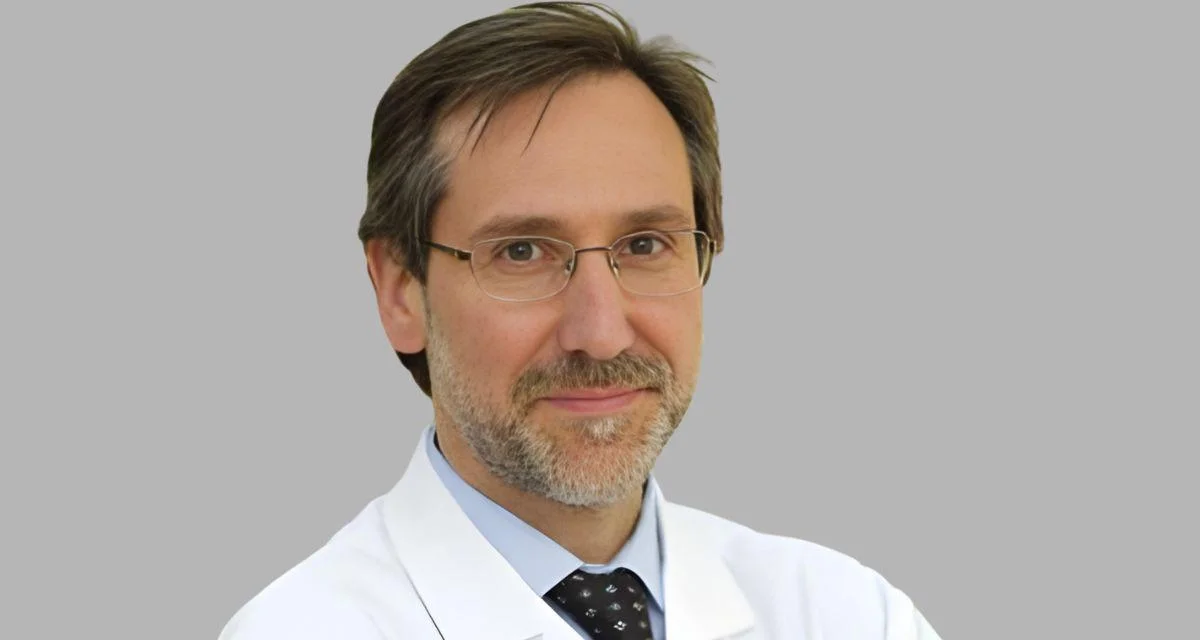
"Giving pembrolizumab before surgery led to very high rates of tumor clearance, few serious side effects, and excellent three-year survival for patients with this rare and difficult-to-treat cancer," said Ribas, director of the Parker Institute for Cancer Immunotherapy Center at UCLA and member of the Eli and Edythe Broad Center of Regenerative Medicine and Stem Cell Research at UCLA. "Taken together with our earlier findings in patients with advanced disease, these results represent a true shift in how desmoplastic melanoma is treated, moving away from repeated surgeries and radiation toward a single therapy that offers durable control, improved survival, and better quality of life."
The study was supported by grants from SWOG as well as federal agencies including the National Institutes of Health and National Cancer Institute.
Dr. Kari Kendra from The Ohio State University Comprehensive Cancer Center – Arthur G. James Cancer Hospital and Richard J. Solove Research Institute served as first author on the study. Other UCLA contributors included Katie M. Campbell, Bartosz Chmielowski, Egmidio Medina, Cynthia R. Gonzalez, Ignacio Baselga-Carretero, Ivan Perez Garcilazo, Agustin Vega-Crespo, Jia Ming Chen and Nataly Naser Al-Deen.
A complete list of authors is available in the published study.



