
Stroke survivors who feel unable to share their thoughts and feelings about their condition may face slower physical and cognitive recovery, according to a preliminary study that will be presented at the American Stroke Association's International Stroke Conference 2026. The event is scheduled for February 4-6 in New Orleans and focuses on advances in stroke and brain health science.
The research examined whether social constraints—barriers to expressing emotions—could predict loneliness and levels of disability one year after a stroke. The study analyzed data from over 700 participants enrolled in the STRONG (Stroke, sTress, RehabilitatiON, and Genetics) study across 28 sites in the United States. Previous findings from STRONG have shown that factors such as high stress or trauma before a stroke, post-traumatic stress symptoms during hospitalization, or certain genetic variations can negatively impact recovery outcomes after one year.
In this latest analysis, researchers evaluated how participants perceived social constraints three months after their stroke. Survivors identified someone they regularly relied on, often a family caregiver, and responded to questions about whether they felt able to discuss their feelings or if they had to keep concerns to themselves due to discomfort from their support person.
Findings indicated that those who felt less able to openly share their feelings at the three-month mark were more likely to experience difficulties one year later.
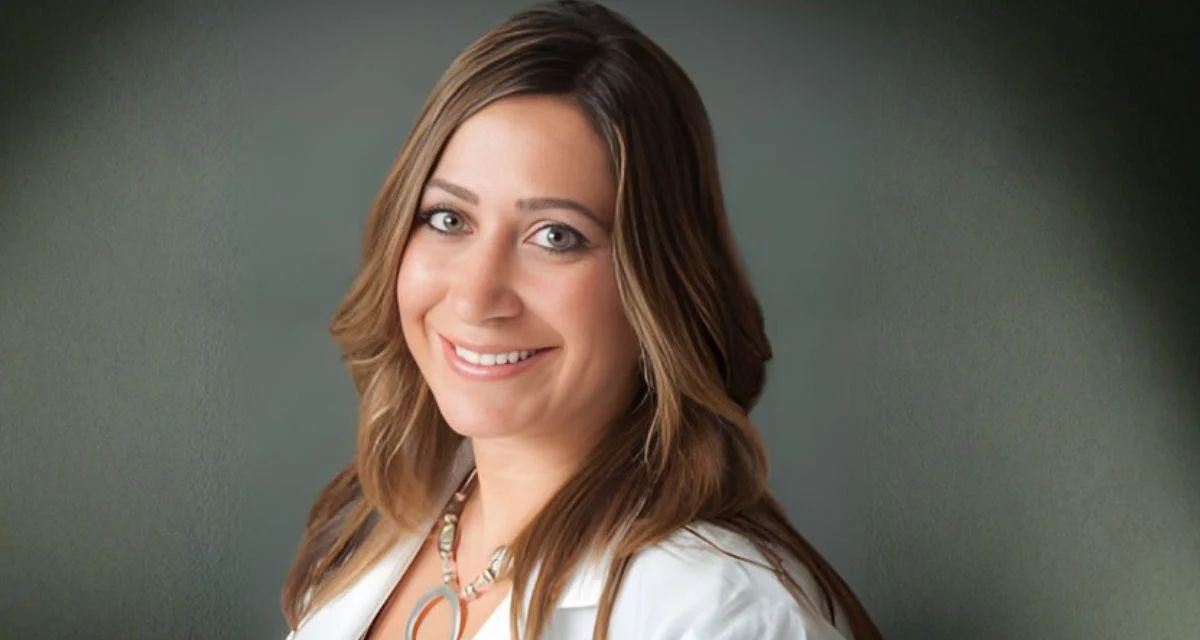
"The level of social constraint after 90 days was just as effective at predicting overall disability and physical function one year later as the initial severity of the stroke," said Holman. "For many stroke-focused health care professionals, the severity of the stroke is the gold standard for understanding how well or poorly a person will be doing down the road."
Holman encouraged researchers to consider patients' social environments early after a stroke in order to better understand potential influences on recovery and provide necessary support.
For caregivers, Holman suggested: "making room, a safe space, for people to talk about their stroke, let them talk about their feelings and what they're going through so they can process what has happened and what's going on. However, don't try to force it because not everyone needs to verbalize their emotions. Providing a safe place for them to share, if needed, is the key."
Researchers noted that if future studies confirm these results, targeted interventions could be developed to help reduce social challenges faced by stroke survivors.
Amytis Towfighi, M.D., FAHA—a volunteer expert with the American Stroke Association—commented: "While social support is increasingly recognized as beneficial after stroke, less is known about how social constraints affect recovery. This study is one of the first to assess their influence on long-term psychological, cognitive and functional outcomes. The findings offer valuable insights that can inform interventions to improve post-stroke recovery." Towfighi also serves as professor of neurology and population and public health sciences at Keck School of Medicine of USC and director of neurological services at Los Angeles County Department of Health Services.
The press release also shared patient perspectives highlighting why social support matters after a stroke. Dipika Aggarwal—a neurologist from Kansas City who experienced a stroke in 2019—described her struggle with isolation during her rehabilitation period. She recounted: "I lost my professional life, my engagement ended and there was no guarantee I'd ever work again," adding that her mental health suffered significantly until she began talking openly about her experience.
"Sharing my story helped me heal. It gave me hope to hear from others and feel less alone," Aggarwal said. She now volunteers with the American Stroke Association. Her advice for other survivors is: "don't keep things hush-hush. Seek support, allow yourself to be vulnerable and connect with people who understand what you're going through."

