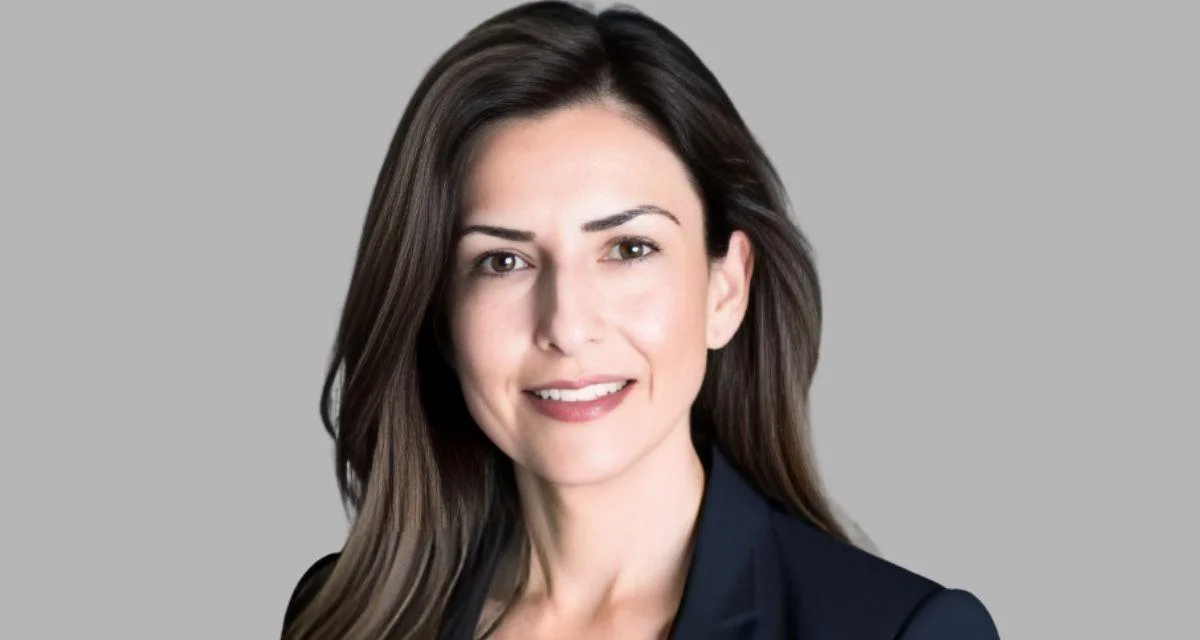

Martha Santana-Chin, CEO of L.A. Care, the largest publicly operated health plan in the United States, has expressed concerns about recent federal and state budget cuts to Medicaid. Santana-Chin, who grew up relying on Medi-Cal—California’s version of Medicaid—emphasized the importance of such safety net programs for low-income families.
"If it weren't for safety nets like the Medi-Cal program, I think, many people would be stuck in poverty without an ability to get out," she said. "For me personally, not having to worry about health care allowed me to really focus on what I needed to focus on, which was my education."
L.A. Care currently serves over 2.2 million enrollees, a number greater than the combined Medicaid and Children's Health Insurance Program enrollments in 41 states. The organization also offers Affordable Care Act marketplace plans through Covered California.
Santana-Chin warned that the One Big Beautiful Bill Act (HR 1), passed by Congress last year, could result in significant losses for her organization and its members. "It's going to devastate the delivery system. The state obviously isn't going to be able to make up for the shortfalls in federal funding, and over the course of the next several years, funding is going to be less and less, and the people we cover are going to decrease significantly. We are expecting between now and the end of 2028 that we're going to see 650,000 people drop off the rolls. That's just L.A. Care," she said.
The Department of Health Care Services estimates that HR 1 will reduce Medicaid funding by more than $900 billion nationally over ten years and by at least $30 billion in California alone.
California has responded to budget pressures by freezing new Medi-Cal enrollments for immigrants without legal status and reintroducing asset limits. These steps come ahead of further expected reductions tied to federal funding cuts under HR 1.
Santana-Chin discussed additional challenges facing L.A. Care as it adapts to these financial constraints: "Obviously, we're going to see a significant drop in revenue. We're very focused on making sure that we are operating as efficiently as we can operate. And we are looking at creative ways to use technology to empower our people to do higher-level work. Mostly supporting our call center agents with smarter technology that helps them answer questions and resolve problems more quickly. Some of it is automating processes on the claims payment side."
Addressing congressional Republicans who supported HR 1, Santana-Chin said: "We are at a point of inflection in the health care delivery system. And we have to recognize that some of the components of HR 1 will have long-term unintended consequences — maybe they were intended; I've got to believe that some of these things are not. There's probably a need to reconsider some of the things that were passed."
She specifically pointed out concerns about work requirements for Medicaid recipients: "Work requirements are an example of something that many people did believe was the right thing to do to be good stewards of the health care dollar. It is very complex and is going to cause people to lose coverage that actually do qualify. It's unfortunate, and that would be something that I would urge folks to reconsider."
On California's decision regarding immigrant access: "It doesn't matter what immigration status you are. If you are a human being and you need health care, you're going to try to access health care wherever you can. That's going to put a strain on the delivery system if you're uninsured."
Santana-Chin also noted improvements made since state regulators fined L.A. Care $55 million over violations related to patient care delays: "There has been quite a bit of investment in the L.A. Care infrastructure over the last several years — our IT platforms, our data. There's also quite a bit of investment in adding new capacity, adding bandwidth to many of the teams, more folks to help support the work."
Finally, she commented on how immigration enforcement actions have affected community trust: "It absolutely has had a chilling effect. Families are afraid to come in. They're not taking their children to get vaccinated... One of our case managers was really distraught because there was an individual that decided to forgo serious lifesaving treatment because of fear."



