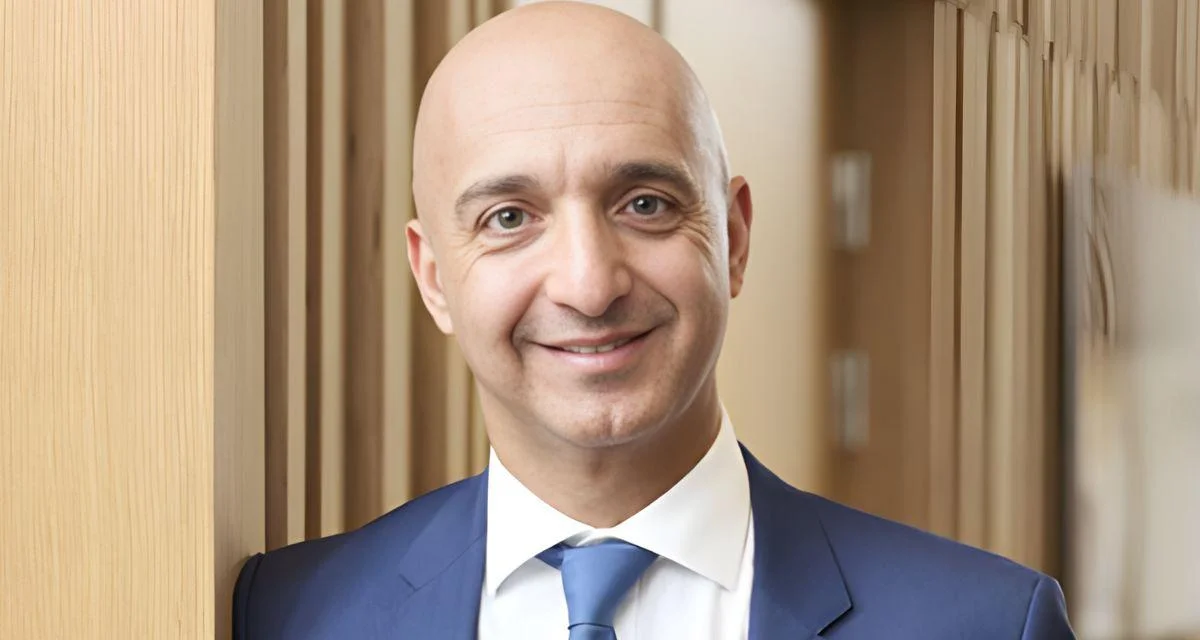

Novo Nordisk is shifting its strategy to concentrate on diabetes and obesity, stepping back from areas not directly related to these conditions as it aims to grow the market for GLP-1 drugs. The company, which has traditionally focused on diabetes, had previously branched into rare diseases and explored new uses for its GLP-1 drug semaglutide, including in Alzheimer’s disease.
At the J.P. Morgan Healthcare Conference, Novo CEO Maziar Mike Doustdar outlined this renewed direction. “The focus, again, will go back to obesity and diabetes,” Doustdar told attendees. He explained that future programs outside of rare diseases would begin with patients who have diabetes or obesity. Other indications will only be pursued if they are comorbidities present in people with those conditions.
This marks a partial shift from earlier policies favoring broader diversification. In 2019, Helge Lund, then chair of Novo’s board, stated at the company’s annual general meeting that “success in the long term can only be realized through the diversification of the product portfolio.”
Doustdar also indicated Novo may seek external opportunities to expand its obesity portfolio further. He told Bloomberg that the company is prepared to make significant moves in this area. Recently, Novo lost out to Pfizer in a bidding war for Metsera, a company focused on obesity treatments.
BMO Capital Markets analysts noted Doustdar’s confidence that this strategy could help Novo regain leadership in the obesity market—a position now held by Eli Lilly after their rival products slowed Novo's growth last year. However, BMO analysts remain cautious and want more evidence before predicting a rebound.
Doustdar pointed out that both Novo and Lilly currently reach only a small portion of an estimated 2 billion people worldwide living with diabetes, obesity or overweight—about 100 million of them in the United States alone. Increasing access is central to his sales growth plans.
“Right now, we are being judged [on] how many patients are being switched between us and Eli Lilly. Us and Lilly combined have probably 10 million, 15 million patients. What about the other 85 million? We need to get to them,” Doustdar said. “A big part of those people, by the way, don’t want an injection. They’re waiting for the pill. So going into expanding the market has been very, very important.”
Novo recently became the first company to offer a GLP-1 weight-loss pill for obesity in the U.S., launching its oral Wegovy formulation earlier this year while Eli Lilly awaits FDA approval for its own oral GLP-1 drug orforglipron.
According to BMO analysts, Wegovy’s requirement that patients fast for 30 minutes after dosing could limit uptake once Lilly’s competing product is available because orforglipron trials did not require such restrictions.
Doustdar defended Wegovy’s prospects by referencing Rybelsus—another oral semaglutide formulation requiring similar fasting—which is already used by 1.5 million people with diabetes in the U.S., suggesting patients can manage this requirement. He also noted that Lilly's trial protocol prevented participants from taking their oral GLP-1 within two to four hours of certain statin medications commonly used by obese individuals.

