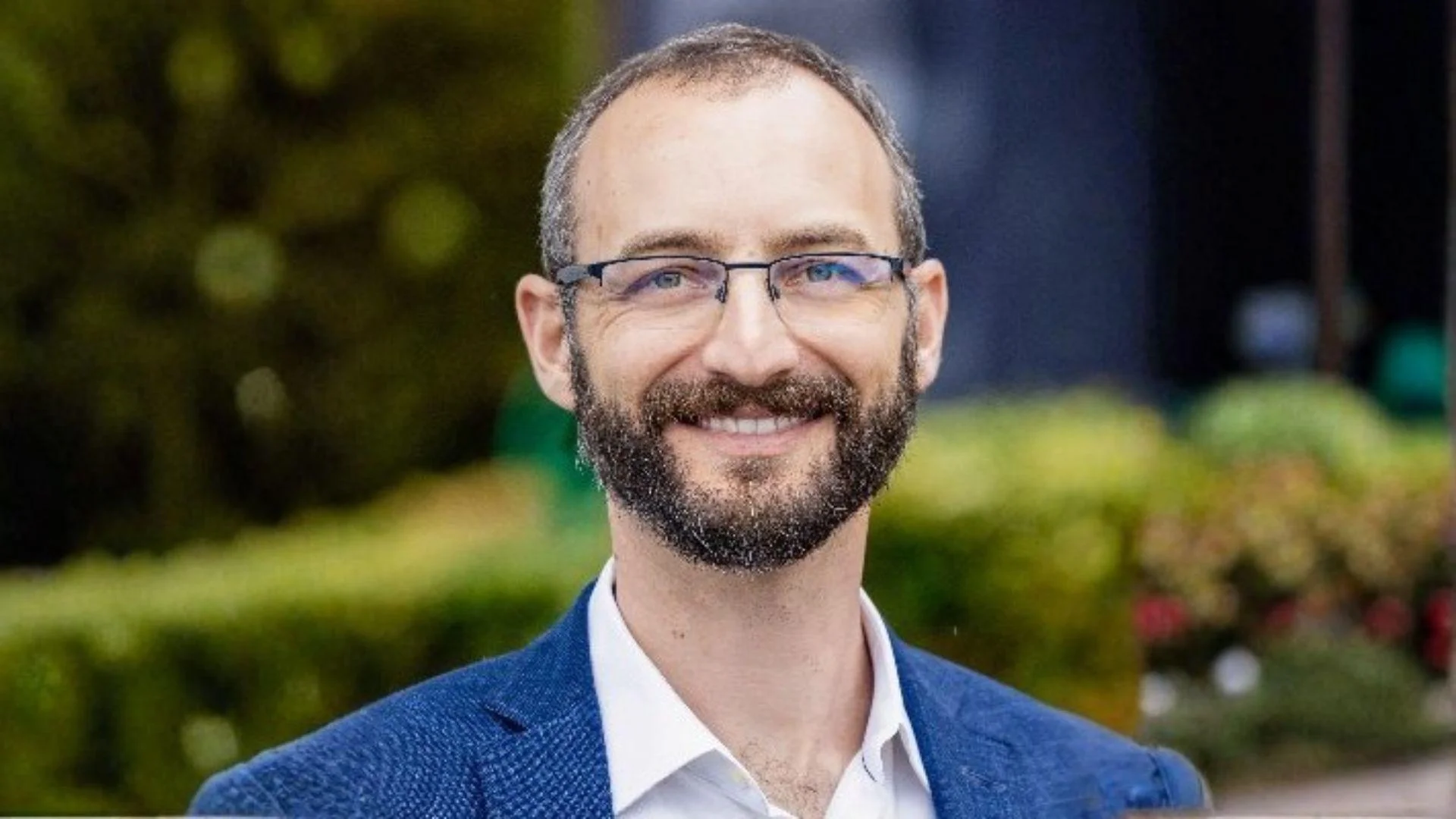

Anthony M. DiGiorgio, Assistant Professor of Neurological Surgery at UCSF, said the 340B program's incentives inflate list prices and shift prescribing toward higher-cost drugs, leaving patients paying cost-sharing on higher reimbursement amounts.
"There's a lot of evidence that 340B increases the cost of medications," said DiGiorgio. "340B discounts are not being passed on to the patient. That co-pay is based on whatever drug reimbursement price the insurer can negotiate, or that the hospital can charge the insurer, or if it's a Medicare patient, it's based on whatever the list price of that drug is. The co-pay is not based on the 340B acquisition price; instead, it's based on the higher reimbursement price. If a pharmaceutical company is forced to give a new drug at a 50 percent discount because of 340B, they're obviously going to come out with a higher list price for that same drug. The 340B program is like giving food stamps to grocery stores and the grocery store saying, “yeah, yeah, yeah, we promise we're going to use those funds on poor people.” They never would."
The 340B Drug Pricing Program is a federal initiative managed by the Health Resources & Services Administration (HRSA). It mandates drug manufacturers to offer significant discounts on outpatient drugs to eligible "covered entities," including safety-net hospitals and clinics. Established by Congress in 1992, the program aims to help these providers extend their resources, reach more patients, and expand services for low-income and uninsured populations.
According to HRSA, covered entities spent $81.4 billion on outpatient drugs through the 340B program in 2024. This figure highlights the program's substantial growth, now ranking as the second-largest federal drug program. Concerns have been raised about whether oversight is keeping pace with this expansion.
California’s nonpartisan Legislative Analyst’s Office has outlined a ballot measure (A.G. File 2023-021) due to worries that some participants generate revenue by charging payers above discounted prices with minimal restrictions on usage. The proposal labels certain providers as "prescription drug price manipulators," requiring them to allocate at least 98% of 340B revenues to direct patient care and imposing limits on markup "pharmacy sales agreements."
DiGiorgio, who also serves as faculty at the Institute for Health Policy Studies, testified before the U.S. House Energy & Commerce Subcommittee on Oversight and Investigations on June 4, 2024. He presented his views regarding 340B oversight in a personal capacity, emphasizing patient-focused reform priorities.

