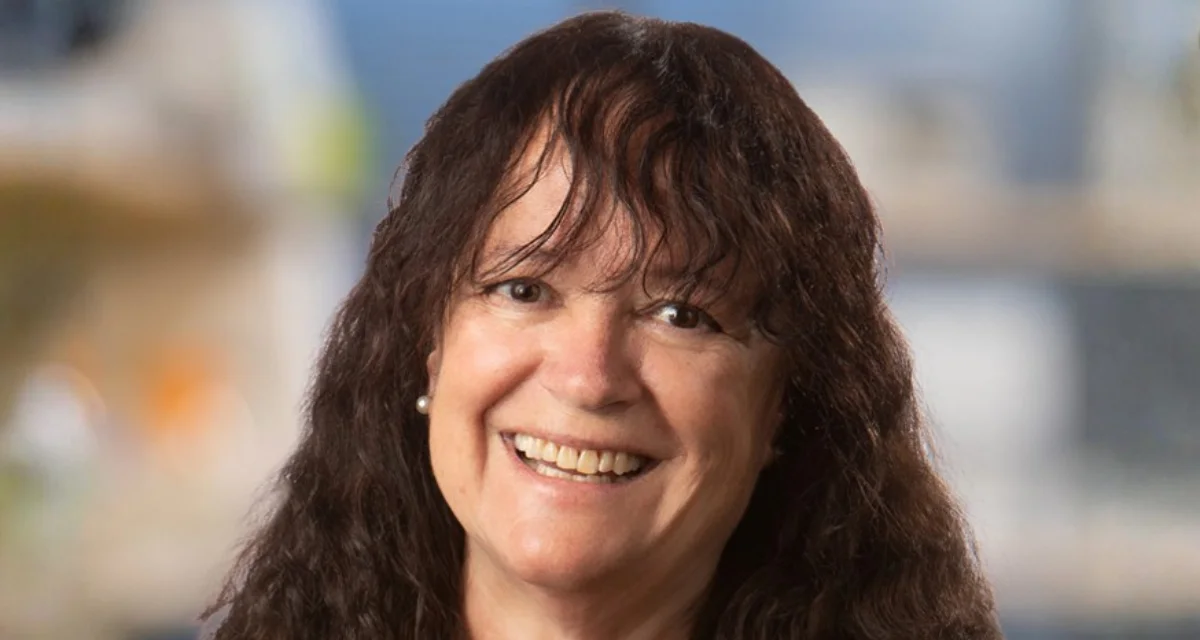

Dr. Maria Margarita Behrens, a faculty member at the Salk Institute for Biological Studies and adjunct professor of psychiatry at the University of California, San Diego, discussed her scientific journey and research in an interview published in Genomic Psychiatry by Genomic Press. Dr. Behrens is a principal investigator in the National Institutes of Health BRAIN Initiative Cell Atlas Network, contributing to comprehensive single-cell epigenomic atlases intended for use by researchers worldwide.
Her path to neuroscience began after an initial interest in architecture and early academic work in biochemistry, aquatic fungi development, yeast genetics, and brine shrimp development across Uruguay, Chile, Brazil, and Spain. These diverse experiences provided her with skills later applied to neuroscience.
During her time at Washington University School of Medicine in St. Louis with Dr. Dennis Choi, she combined expertise from biochemistry and molecular biology with neuropharmacology. Her subsequent research on brain aging at the University of California, San Diego led to studies on ketamine’s effects on inhibitory neurons and their relevance as a rapid-acting antidepressant. Findings from these investigations were published in Science.
A publication encountered during this period shifted Dr. Behrens's focus toward developmental epigenomics and led to collaborations with Drs Joseph Ecker and Bing Ren. Her current laboratory investigates neural circuit formation in the prefrontal cortex during the perinatal period and how maternal environment may influence brain development through epigenomic changes.
The BRAIN Initiative Cell Atlas Network has produced mouse brain atlases detailing gene expression and regulatory regions for each cell type; similar work is underway for the human brain. These resources aim to help researchers identify specific cell types more precisely, potentially opening new therapeutic avenues.
Dr. Behrens emphasized teamwork over hierarchy within science: "She describes her greatest talent as building collaborative teams where everyone contributes without regard to status." She also commented on systemic issues: "Dr. Behrens points to funding structures and peer review systems that fail to reward genuine collaboration."
Her mentoring group includes experts from genomics, behavioral science, computer science, and neuroscience working together on complex problems—a model that reflects Genomic Press’s support for interdisciplinary open-access research (https://genomicpress.kglmeridian.com/).
Outside work, Dr. Behrens enjoys travel to national parks, music, painting, and values relationships over material possessions. She admires Nobel laureate Svante Pääbo for his ancient DNA research and would choose Charles Darwin as a dinner companion due to his analytical approach.
Her guiding motto is: "if you cannot do anything about it, call it good."
This interview appears as part of Genomic Press's Innovators & Ideas series profiling influential scientists by blending professional achievements with personal reflections.

