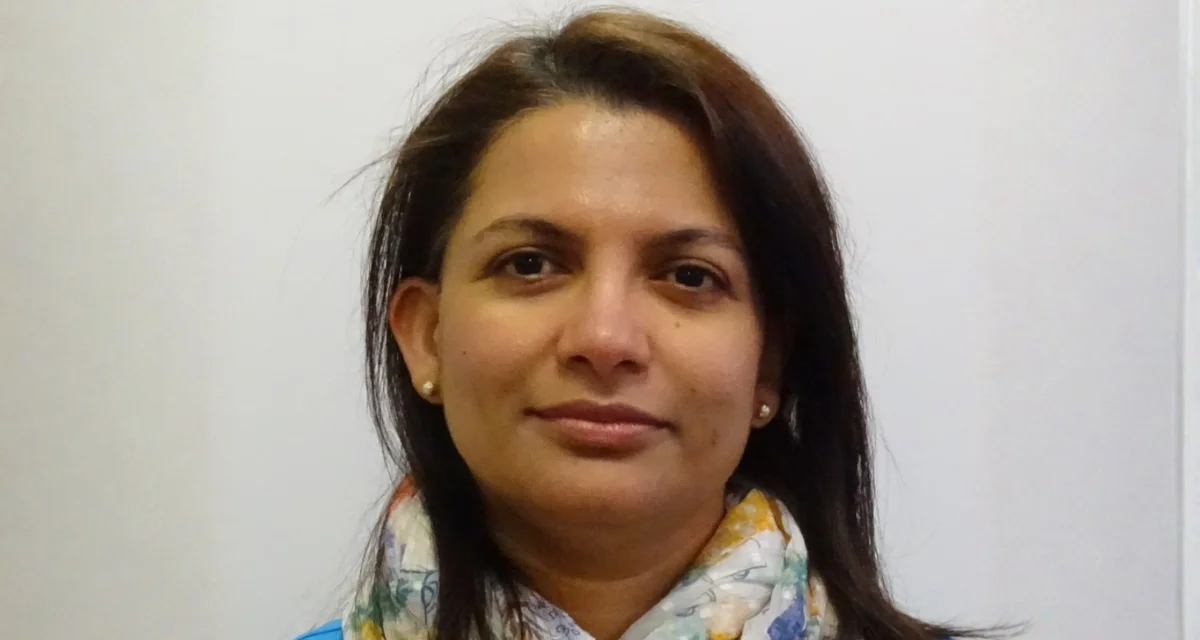

New research from the University of East Anglia highlights the emotional challenges faced by siblings of individuals with Prader-Willi syndrome, a rare genetic disorder that causes persistent hunger and requires lifelong care. The study, conducted in collaboration with the Prader-Willi Syndrome Association UK, is published in the Journal of Applied Research in Intellectual Disabilities.
Lead researcher Dr Meghana Wadnerkar Kamble from UEA's School of Health Sciences explained: "Prader–Willi syndrome is a rare neurogenetic condition that causes constant hunger, complex behaviour and health challenges.
"We found that having a brother or sister with Prader-Willi syndrome can be hard.
"Many siblings feel stressed, lonely, and sometimes take on extra responsibilities at home. Family life often revolves around managing the condition, which can make things complicated.
"While some siblings develop resilience, most need more and better support."
The team reviewed research spanning two decades to understand how living with a sibling affected by Prader-Willi syndrome impacts family members. Of thousands of articles published between 2000 and 2024, only seven specifically addressed the experiences of siblings.
Dr Wadnerkar Kamble said: "We summarised findings from these studies and analysed what they said about emotions, family relationships, and coping strategies. This gave us an insight into what life is like for these siblings.
"We found that siblings were experiencing emotional fatigue because of the unpredictability of their brother or sister with Prader-Willi syndrome. It meant they always had to be prepared for unexpected situations.
"In many cases siblings were thrown into the role of being a caregiver.
"They also shared feelings of despair and loneliness and worried about upsetting their parents by making demands on their time.
"Family relationships were often strained and emotionally charged, with frequent arguments and disrupted routines. Siblings often felt unable to communicate openly with their parents. And everyday activities like parties and eating out were impossible.
"On a more positive note, some siblings developed resilience in the face of adversity," she added.
Siblings attempted to manage challenging behaviours by engaging their brothers or sisters in activities such as puzzles or jigsaws. The study also noted that short periods when children with Prader-Willi syndrome spent time away from home provided other siblings valuable relief.
Researchers emphasize that these experiences are shaped significantly by family dynamics. They recommend adopting a family-centred approach both in future research efforts and in support services offered to families dealing with rare conditions like Prader-Willi syndrome. The study calls for ongoing support tailored to evolving needs throughout childhood and adulthood.
Dr Wadnerkar Kamble concluded: "Siblings play a huge role in family life and sometimes even help care for their brother or sister. In the context of disability in the family, there is very little support for siblings. Our research shows why listening to siblings and creating family-focused support is essential for wellbeing in rare conditions such as Prader-Willi syndrome.
"Future research should include more detailed interviews and gather perspectives from the whole family, including the person with Prader-Willi syndrome," she added.

