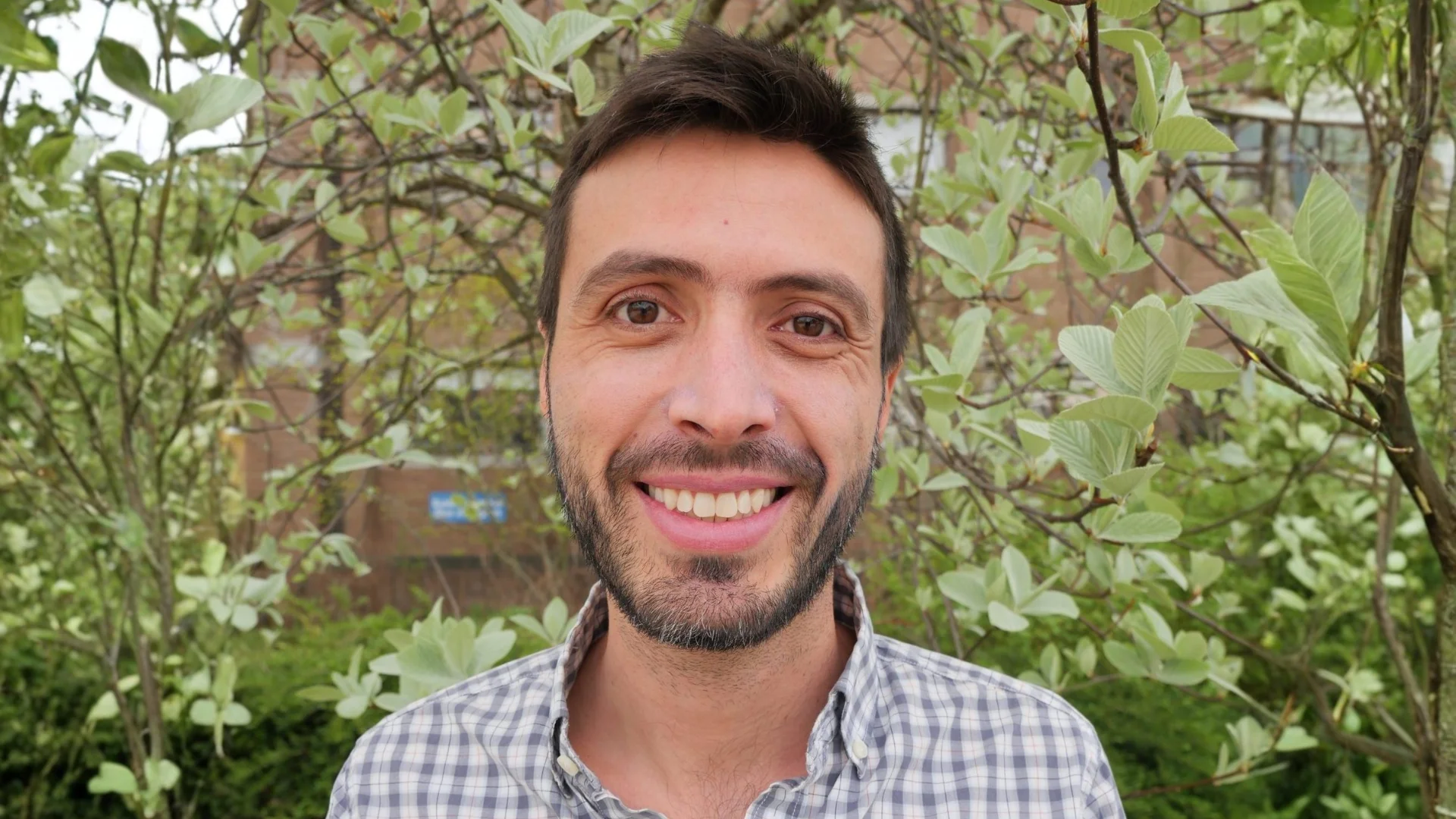

A recent study from the University of British Columbia (UBC) suggests that nearly half of the global population would need to alter their diets to limit global warming to no more than 2 degrees Celsius. The research, led by Dr. Juan Diego Martinez at UBC's Institute for Resources, Environment and Sustainability, analyzed food consumption data from 112 countries representing 99 percent of worldwide food-related greenhouse gas emissions.
Dr. Martinez explained, "Half of us globally and at least 90 per cent of Canadians need to change our diets to prevent severe planetary warming. And that number is conservative, because we used 2012 data. Since then, emissions and the world's population have both increased. Looking ahead to 2050, we found that 90 per cent of us will need to be eating differently."
The study divided each country's population into ten income groups and calculated a food emissions budget per person by assessing emissions from consumption, production, and supply chains. These figures were compared with what is needed globally to keep temperature rise below the critical threshold.
According to Dr. Martinez, "The world's food systems are responsible for more than one-third of all human greenhouse gas emissions." The findings show that the top 15 percent of emitters contribute about 30 percent of total food-related emissions—equaling the combined impact of the lowest-emitting half of people worldwide. This high-emitting group includes affluent individuals in countries such as Central African Republic, Brazil, and Australia.
However, Dr. Martinez noted that a much larger portion exceeds recommended dietary emission caps: "Even though this group is emitting a lot, there is a much higher number of people whose diets are above that cap. This is why half, not just the richest, of the global population needs to change diets. In Canada, all 10 income groups are above the cap."
He emphasized that while reducing air travel or switching to electric vehicles can help lower personal carbon footprints, addressing food-related emissions requires broader participation: "Debates around flying less, driving electric and buying fewer luxury goods are valid: We need to reduce emissions any way we can. However, food emissions are not just a problem for the richest—we all need to eat, so we can all make a change. For people who are both flying frequently and eating lots of beef, it's not an either/or: Try to reduce both."
Dr. Martinez offered practical advice for individuals looking to lower their impact: "Eat only what you need. Repurpose what you don't. Less wasted food means fewer emissions, less cooking and more easy, tasty leftovers."
He also highlighted beef as a significant contributor: "Eliminate or reduce your beef consumption—43 per cent of food-related emissions from the average Canadian come from beef alone." He acknowledged cultural challenges but pointed out that action is now necessary: "I grew up in Latin America where eating a lot of beef is part of the culture, so I get how much of an ask this is. But we just can't deny the data anymore."
Finally, he encouraged consumers to influence policy through their choices: "Vote with your fork. This is a first step to demand change from your political leaders. The more we talk about our own dietary changes and what matters to us, the more politicians will begin to care about policies that bring positive changes to our food systems."

