
Brazil has been recognized by the World Health Organization (WHO) for eliminating mother-to-child transmission of HIV, becoming the most populous country in the Americas to reach this milestone. The validation was announced at a ceremony in Brasília attended by President Luiz Inácio Lula da Silva, Minister of Health Alexandre Padilha, and Pan American Health Organization (PAHO) Director Dr Jarbas Barbosa.
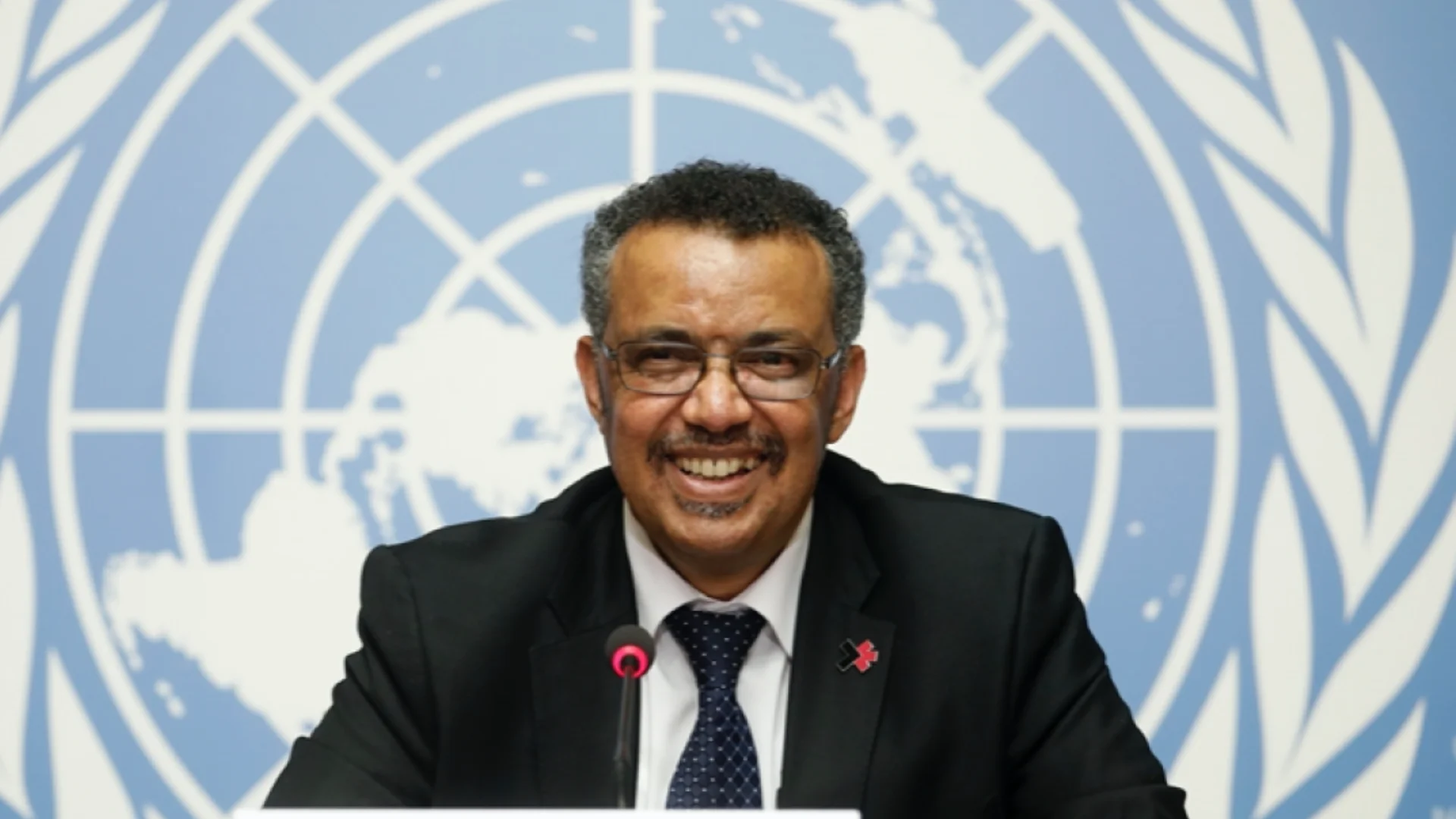
"Eliminating mother-to-child transmission of HIV is a major public health achievement for any country, especially for a country as large and complex as Brazil," said Dr Tedros Adhanom Ghebreyesus, WHO Director-General. "Brazil has shown that with sustained political commitment and equitable access to quality health services, every country can ensure that every child is born free of HIV and every mother receives the care she deserves."
To achieve this recognition, Brazil met several criteria set by WHO. These included reducing vertical transmission rates below 2%, providing over 95% coverage for prenatal care and routine HIV testing, and ensuring timely treatment for pregnant women living with HIV. The evaluation process involved independent experts reviewing data and operations in health facilities before WHO’s Global Validation Advisory Committee formally recommended Brazil's validation.
"This achievement shows that eliminating vertical transmission of HIV is possible when pregnant women know their HIV status, receive timely treatment, and have access to maternal health services and safe delivery," said Dr Jarbas Barbosa, Director of PAHO. "It is also the result of the tireless dedication of thousands of health professionals, community health workers, and civil society organizations. Every day, they sustain the continuity of care, identify obstacles, and work to overcome them, ensuring that even the most vulnerable populations can access essential health services."
Over the last decade (2015-2024), efforts to eliminate mother-to-child transmission have prevented more than 50,000 pediatric HIV infections across the Americas region. Brazil's approach included certifying states and municipalities with more than 100,000 residents first before expanding nationally.
The country's progress is part of broader regional initiatives like EMTCT Plus—which targets elimination not only of HIV but also syphilis, hepatitis B, and congenital Chagas disease—and PAHO’s Elimination Initiative aimed at eradicating over 30 communicable diseases in the Americas by 2030.
Globally, Brazil joins 18 other countries validated by WHO for eliminating mother-to-child transmission of HIV; twelve are in the Americas. Cuba was first recognized in 2015; other countries include Anguilla, Antigua and Barbuda, Bermuda, Cayman Islands, Montserrat, Saint Kitts and Nevis (all in 2017), Dominica (2020), Belize (2023), Jamaica and Saint Vincent and the Grenadines (2024). Outside this region are Armenia, Belarus, Malaysia, Maldives, Oman, Sri Lanka, and Thailand.

