
A recent study by researchers at Case Western Reserve University and University Hospitals has found that financial factors are the main reason why more cancer patients do not participate in clinical trials. The findings challenge previous assumptions that race or demographic characteristics were the primary barriers to enrollment.
The research, published in the Journal of the National Comprehensive Cancer Network, examined electronic health records from over 12,000 cancer patients at University Hospitals in Northeast Ohio. The analysis revealed that income, property ownership, and overall financial stability play a larger role than previously thought in determining whether patients join clinical trials.
Clinical trials are essential for testing new methods to prevent, detect, or treat diseases such as cancer. However, participation remains low; only about one in five cancer patients enrolls in these studies. This low rate slows down the introduction of new treatments and limits access for underserved populations.
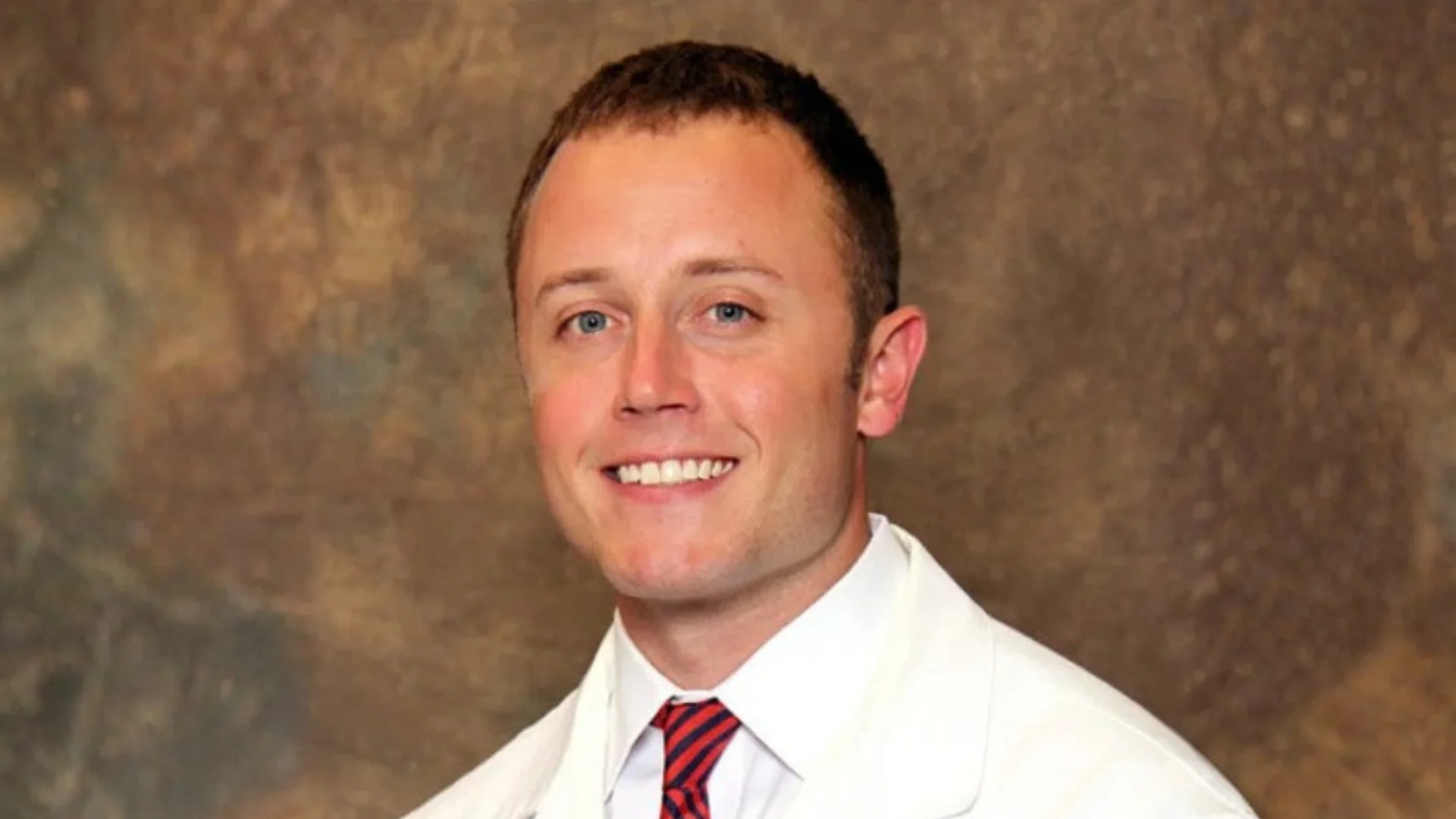
"Conversations about clinical trial enrollment often focus on education and trust, but in clinical practice, we see very practical barriers," said Richard Hoehn, co-author and assistant professor of Surgical Oncology at Case Western Reserve School of Medicine and University Hospitals Cleveland Medical Center. "For many patients, participation comes down to logistics and money. Addressing those challenges is one of the most direct ways to make trials more inclusive."
Instead of concentrating solely on demographic issues, the researchers suggest implementing structural solutions to help with financial challenges faced by patients. These could include reimbursement programs for travel and lodging expenses related to trial participation, compensation for lost wages during treatment periods, childcare assistance for parents involved in trials, as well as transportation vouchers or services.
The research team is expanding their work by integrating data from Cleveland Clinic, University Hospitals, MetroHealth, and the Ohio Cancer Incidence Surveillance System—the state’s cancer registry—to create a broader understanding of access issues across different communities.
"This larger study, expected to be published in early 2026, will provide the first comprehensive map of clinical trial enrollment among cancer patients-identifying where structural barriers prevent access to potentially life-saving treatments," Dong said. "We're working to map 'clinical trial deserts' and understand how geographic and structural barriers influence access across urban, suburban and rural communities."

