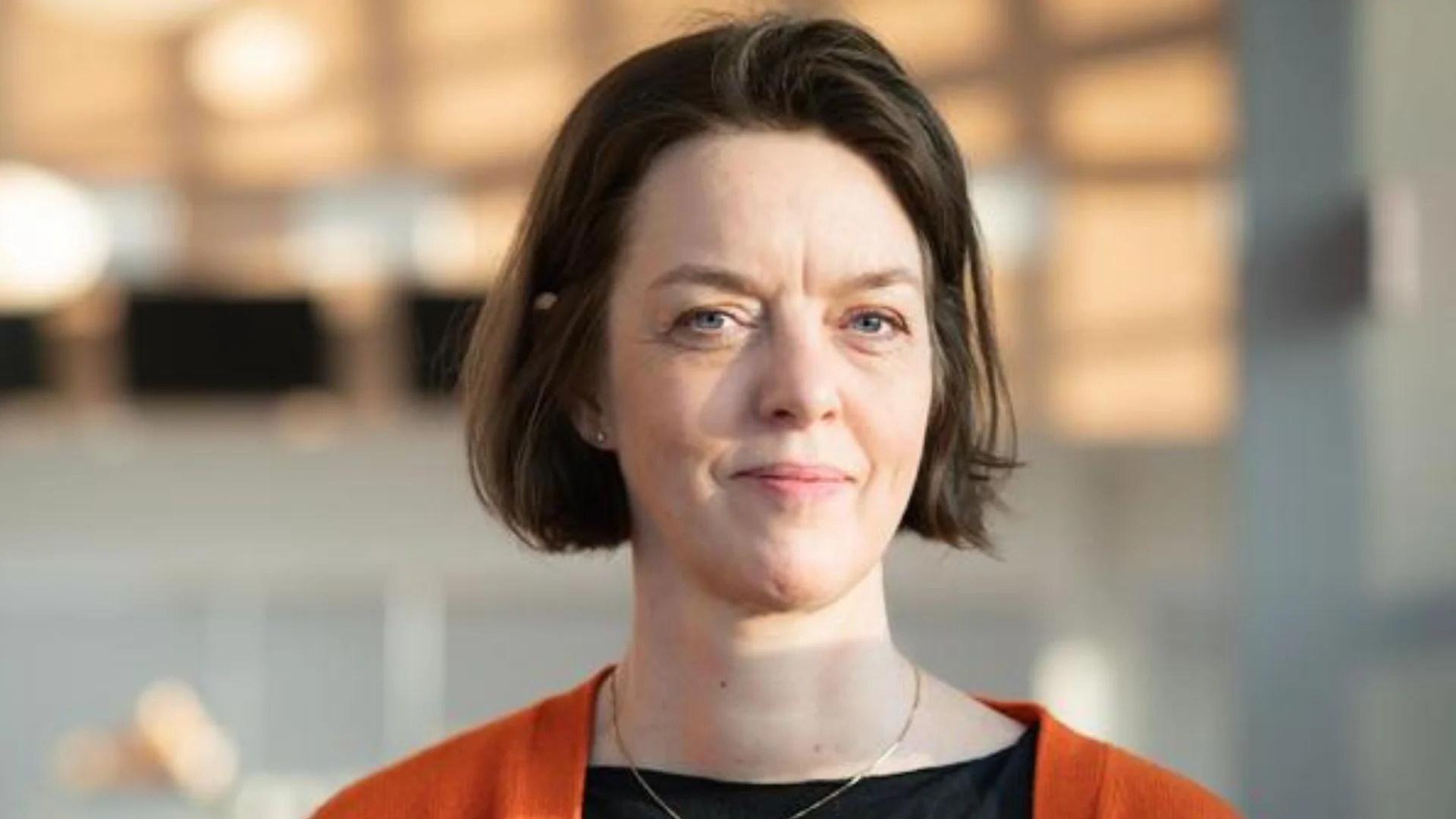

More than half of teenage girls in a recent Swedish study reported experiencing heavy menstrual bleeding, and 40 percent were found to have iron deficiency. The research, led by Lund University and published in PLOS One, surveyed 394 girls aged 15 and older from two upper-secondary schools. Participants answered questions about their menstruation patterns and dietary habits, and provided blood samples for analysis.
The findings indicated that girls who experienced heavy periods were three times more likely to have an iron deficiency compared to those with normal menstruation. The risk was even higher among those who limited or avoided red meat in their diet.
"We see a lot of young girls who are tired and distracted. Linking that to menstruation or diet is not obvious," said Moa Wolff, researcher and associate professor at Lund University, as well as specialist physician in general medicine at Region Skåne.
The study also tested a Spanish questionnaire designed to identify heavy menstrual bleeding. This was the first time it had been used with Swedish teenagers or any teenage population globally. According to Moa Wolff, "Based on the answers to the questionnaire, it was possible to clearly identify which secondary school students were at risk of having low iron levels. It is easy to use and could be a valuable tool for school health services and youth clinics or other care healthcare settings where we meet these girls."
Lisa Söderman, gynaecologist and postdoc researcher at Karolinska Institutet who compiled the results for the article, added: "Many of them only compare with their own previous experiences without knowing what counts as heavy menstrual bleeding. We also note that many are not aware of the over-the-counter medicines available that reduce the volume of blood."
Iron deficiency can affect energy levels, academic performance, and overall wellbeing among young people. Low ferritin levels may eventually lead to anemia due to decreased hemoglobin production needed for oxygen transport.
"In the next few years, some of these girls will get pregnant. When that happens, we would like them to have good stores of iron to enable as complication-free a pregnancy as possible, with a successful labour," said Lisa Söderman.
The study's data showed that 52 percent of participants with heavy menstrual bleeding had iron deficiency compared with 26 percent among those reporting normal menstruation. Among those following a meat-reduced diet (not eating beef or pork), 62 percent had iron deficiency versus 31 percent among omnivores without dietary restrictions. The prevalence rose further—to 71 percent—among participants who both had heavy periods and did not eat red meat.



