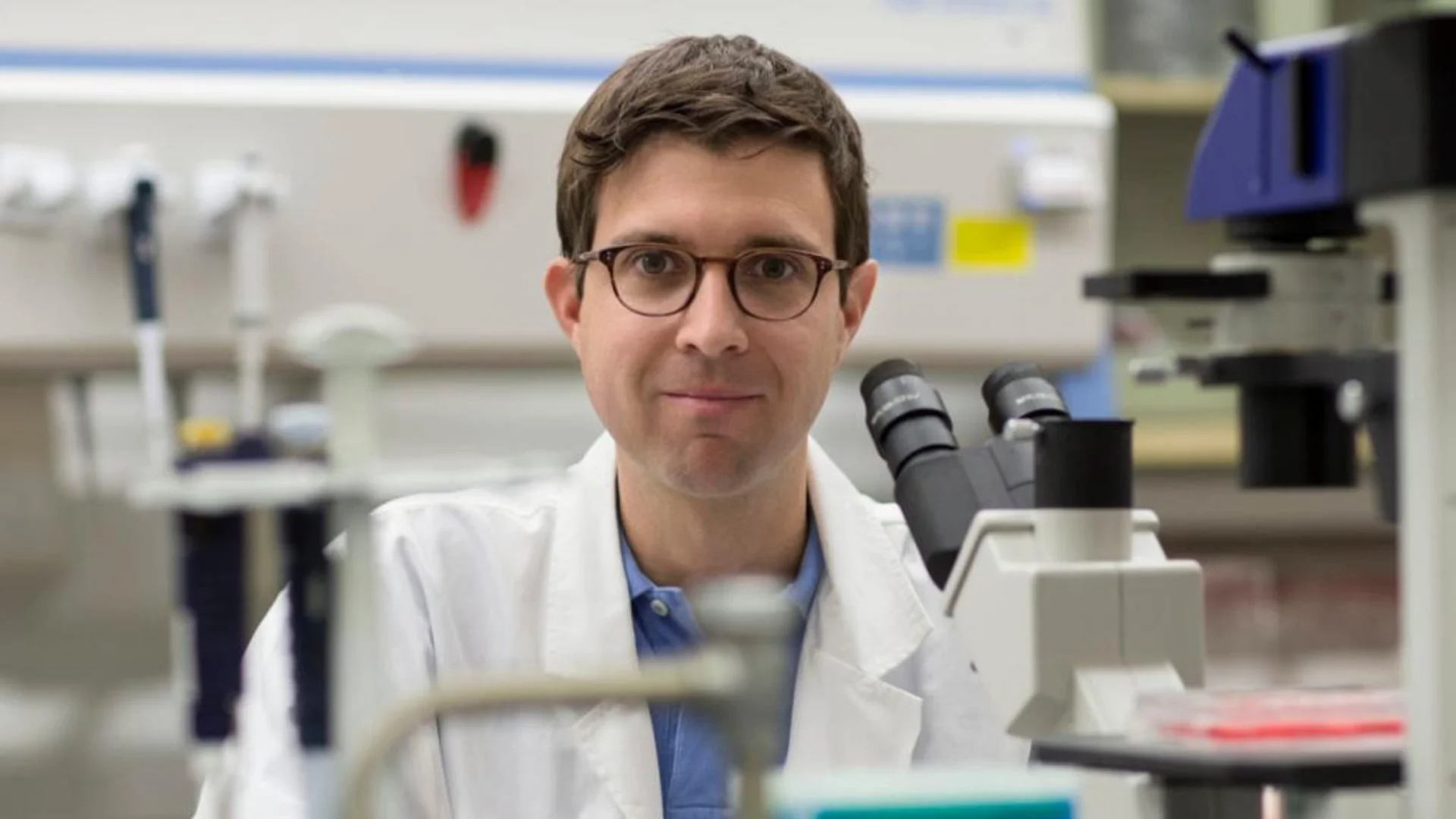

Researchers at the University of Virginia School of Medicine have identified how traumatic brain injury (TBI) increases the risk for Alzheimer's disease and demonstrated a possible way to prevent this heightened risk. The study, led by John Lukens, PhD, director of UVA's Harrison Family Translational Research Center in Alzheimer's and Neurodegenerative Diseases, found that even a single mild TBI can trigger changes in the brain that promote the onset of Alzheimer's.
"Our findings indicate that fixing brain drainage following head trauma can provide a much-needed strategy to limit the development of Alzheimer's disease later in life," said Lukens. "Our hope is that these discoveries will inspire the design of novel brain drainage-boosting therapeutics that can be deployed to accelerate recovery of the injured brain and limit the risk of developing Alzheimer's disease."
Previous research has shown that TBIs significantly increase the likelihood of developing Alzheimer’s and other neurodegenerative diseases, but the mechanisms were not well understood. Lukens’ team discovered that TBIs disrupt lymphatic vessels in the meninges—the protective membranes surrounding the brain—which are essential for cleaning waste from brain tissue. These vessels were only discovered in 2015 by UVA neuroscience researchers.
The study showed that after a mild TBI, there was an acceleration in harmful tau protein buildup associated with Alzheimer’s disease. These tau tangles were observed throughout the brain, not just at the site of injury. In laboratory mice, one mild TBI led to worsened overall brain health and increased neurodegeneration.
Researchers also identified specific changes caused by mild TBI, including altered activity in immune cells called macrophages responsible for defending and cleaning up debris in the brain.
Importantly, within 24 hours after injury, scientists could intervene to restore lymphatic vessel function using a hollowed-out virus shell to deliver VEGFC—a natural growth factor—directly into the meninges. This treatment prevented harmful tau production by promoting vessel repair.
While further research is necessary before this approach could be considered for human treatment, Lukens and his colleagues believe it holds promise for preventing neurodegeneration related to TBI. They suggest it may also help reduce risks for other neurological conditions linked to head injuries such as ALS, Parkinson’s disease, and chronic traumatic encephalopathy (CTE).
"Traumatic brain injury has also been linked to multiple other neurodegenerative disorders, including ALS, Parkinson's disease and chronic traumatic encephalopathy [CTE]," Lukens said. "Exploring whether recuperating brain drainage following head trauma is also effective in protecting against these other devastating neurodegenerative diseases will be an important future area of investigation for our lab and others."
The Paul and Diane Manning Institute of Biotechnology at UVA supports efforts like Lukens’ research center with a focus on advancing new treatments for complex diseases.
The full findings appear in Cell Reports. The research team included Marco, Katherine R. Bruch, Maureen N. Cowan, Julia G. Dill, Katelyn A. Moore, Ashley C. Bolte and John Lukens; none have financial interests tied to this work.
Funding came from several sources: U.S. Department of Defense (grant W81XWH2110788), Alzheimer’s Association (grant ADSF-21-816651), National Institutes of Health's National Institute of Neurological Disorders and Stroke (grant R01NS106383), Owens Family Foundation, Steven A. Newman AD Award, Rick Sharp Foundation, and Harrison Family Foundation.

