
St. Jude Children's Research Hospital scientists have reported progress in the treatment of atypical teratoid rhabdoid tumor (ATRT), a rare and aggressive pediatric brain cancer. The research, published in Neuro-Oncology Pediatrics, focused on using a combination of two drugs—idasantulin and selinexor—to reactivate and maintain p53, a protein that suppresses tumors.
Each year, fewer than 100 children in the United States are diagnosed with ATRT. The disease has limited treatment options and poor outcomes. Previous attempts to increase p53 levels with idasantulin have shown effectiveness against malignant rhabdoid tumors outside the central nervous system but faced challenges when applied to brain tumors due to the blood-brain barrier and the development of drug resistance when used alone.
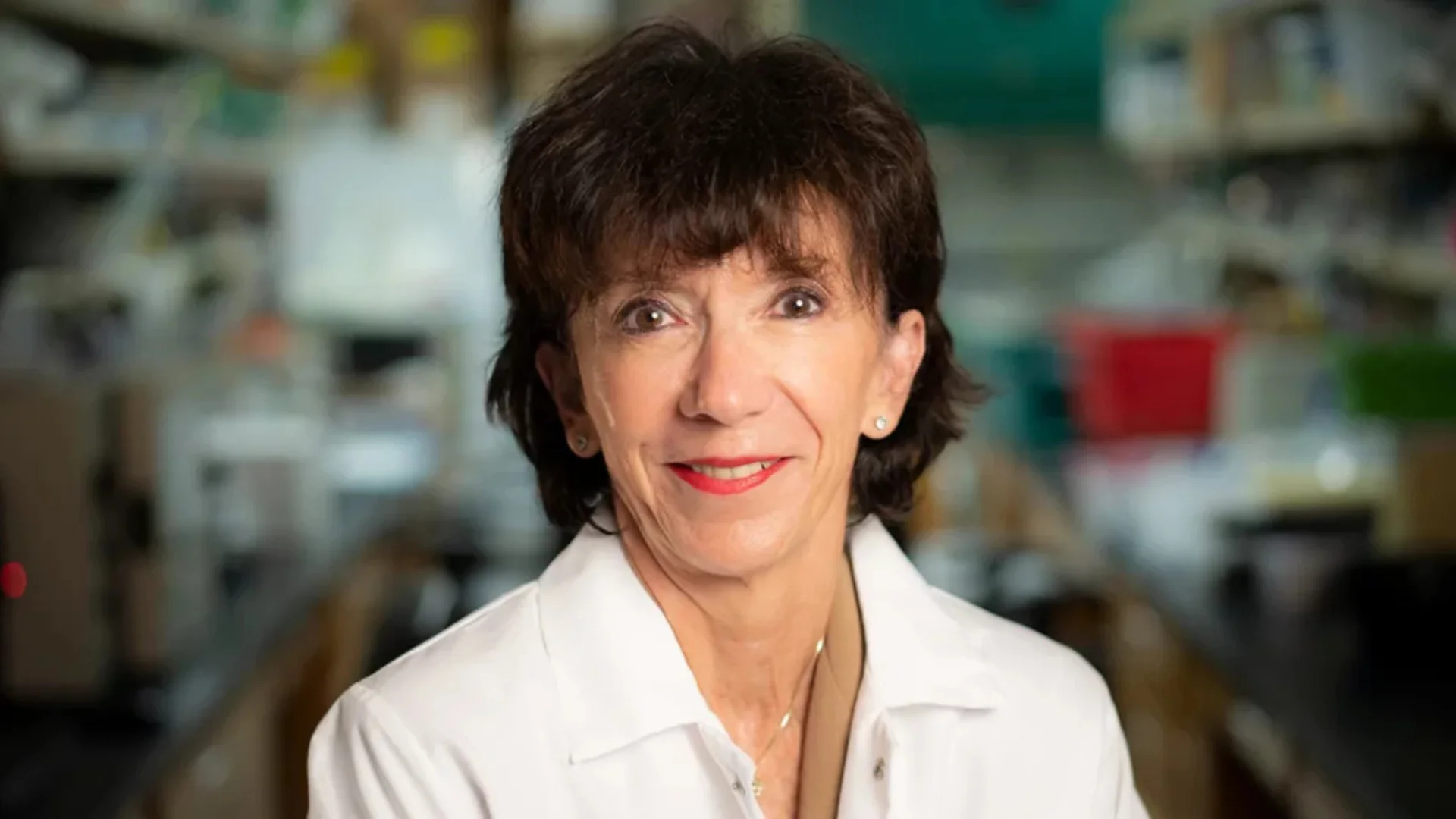
"None of the treatments tried so far have worked," said Martine Roussel, PhD, co-corresponding author from the St. Jude Department of Tumor Cell Biology.
The study found that combining idasantulin—which blocks MDM2, preventing p53 turnover—and selinexor—which blocks XPO1, stopping p53 export from the nucleus—led to increased survival in mouse models of ATRT and malignant rhabdoid tumors. "Idasantulin blocks MDM2, a protein responsible for turning over p53, and if you prevent p53 turnover, you increase the p53 pathway," Roussel explained. "Selinexor blocks XPO1, a shuttling protein that exports p53 out of the nucleus. So, if p53 levels increase through two different pathways, we hypothesized a much greater effect on tumor cell death."
Co-corresponding author Anang Shelat, PhD, from St. Jude's Department of Chemical Biology & Therapeutics added: "Notably, our work confirmed that both drugs achieve sufficient concentrations in the brain to induce a strong p53 pathway response."
The researchers also discovered how some cells could develop resistance to this combination therapy after long-term exposure. This resistance was linked to proteins in the BCL-2 family that help regulate cell death but can be addressed with additional therapeutic strategies.
The team believes these findings support further investigation into this combined approach for treating rhabdoid tumors like ATRT. "ATRT is an intractable disease in very young children, so we hope there will be interest in pursuing this combination therapy," Roussel said. "The data we have seen in support of this is very convincing."
Shelat noted: "Compared to adults, mutations in p53 are much less frequent in children, and combination strategies like ours might have broad applicability to treat children with cancer."

