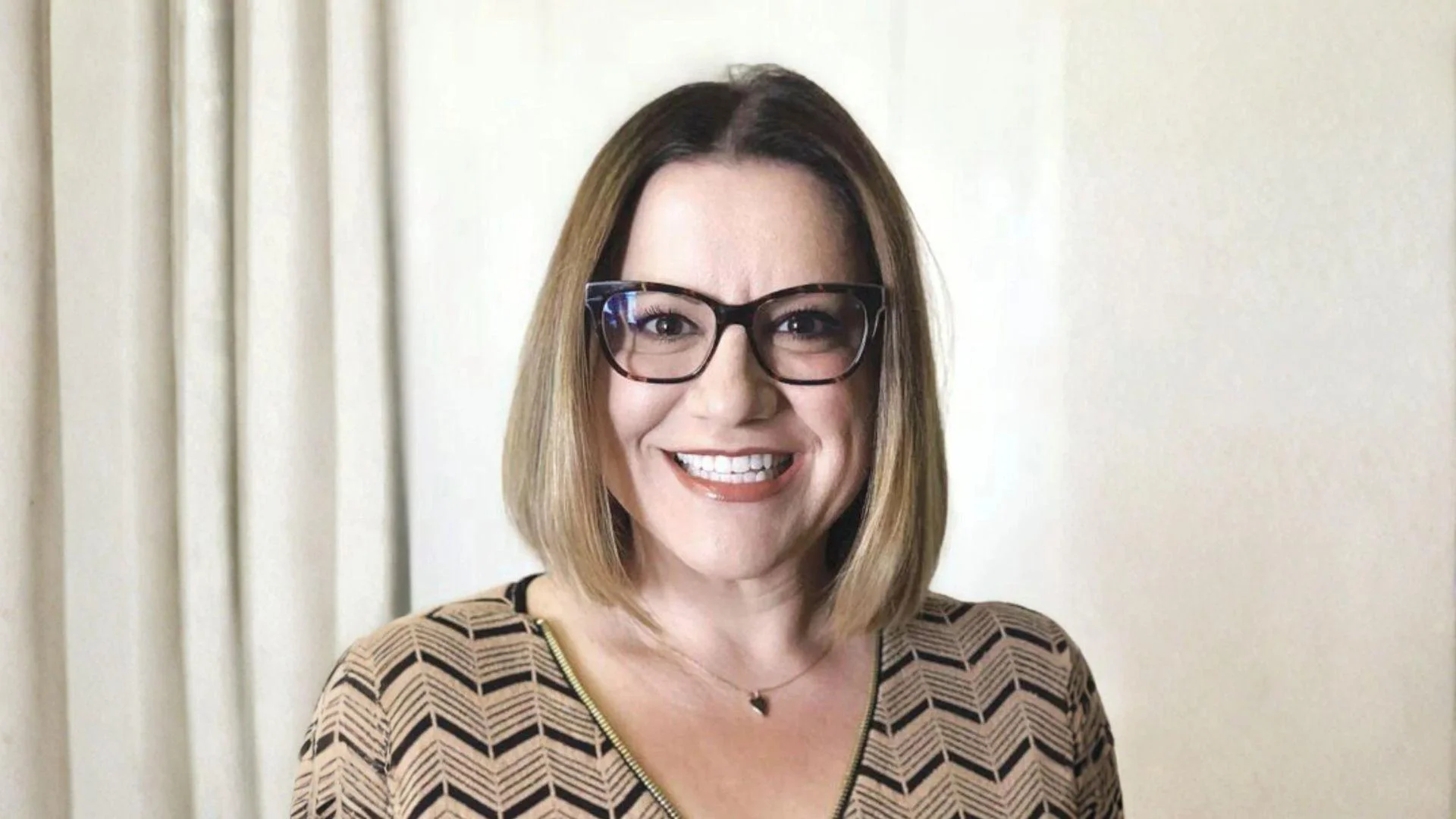

Julie Gill Shuffield, Executive Director for Patients Come First California, has expressed concerns about the 340B Drug Pricing Program. She said that the program lacks oversight, allowing large hospitals and insurers to retain discounts instead of passing them on to underserved patients in rural areas.
"The 340B Program was created in 1992 with the intention to benefit the most vulnerable patients who can't afford healthcare, but its lack of transparency has subjected it to being preyed on by large players in the healthcare system, like major hospital groups and big insurers," said JULIETTA KATHERINE GILL SHUFFIELD. "If the 340B program was working correctly, the cost of the medicine would be lower for patients in underserved rural communities, but evidence suggests those savings are not reaching patients. there are bad actors that buy deeply discounted prescription drugs and then turn around and charge the patients and insurance companies higher prices and pocket the difference. Only 35% of 340B hospitals are located in the medically underserved area they are meant to serve. Yet, the discounts are flowing to the other 65%"
The 340B Drug Pricing Program was established in 1992 to require drug manufacturers to provide outpatient drugs at discounted prices to eligible safety-net providers serving vulnerable populations. These providers purchase drugs at reduced 340B prices and bill payers at full rates, with the revenue intended to support expanded services for low-income and uninsured patients. However, according to Shuffield, the program faces scrutiny over a lack of transparency in revenue use, failure to pass savings to patients, and misuse by large entities including contract pharmacies that retain profits.
In 2024, covered entities purchased $81.4 billion in outpatient drugs under the 340B program, reflecting significant growth. Studies indicate misaligned incentives where providers use spread pricing to generate revenue rather than pass savings to patients. This practice creates unintended market consequences including higher costs elsewhere in healthcare that are ultimately borne by patients.
Between January 2013 and February 2020, more than 100 rural hospitals closed nationwide, including three in California. This led to reduced emergency access in underserved areas. The 340B program has faced scrutiny for enabling urban hospitals to reclassify as rural to access discounts, potentially diverting resources from actual rural facilities. This reclassification affects programs like Medicare and contributes to financial strain on small hospitals.
Shuffield serves as Executive Director of Patients Come First California focusing on healthcare advocacy. She is a lifelong Californian with over 30 years in healthcare and biotechnology holding roles in clinical research and related fields. Her work aims to improve community access and affordability in medical care, bringing communications and policy expertise to grassroots advocacy.

