
Recent research has developed new methods to protect and deliver oxygen-sensitive gut bacteria, which could lead to safer and more standardized microbial therapies. These advances may reduce the need for donor-based faecal microbiota transplants.
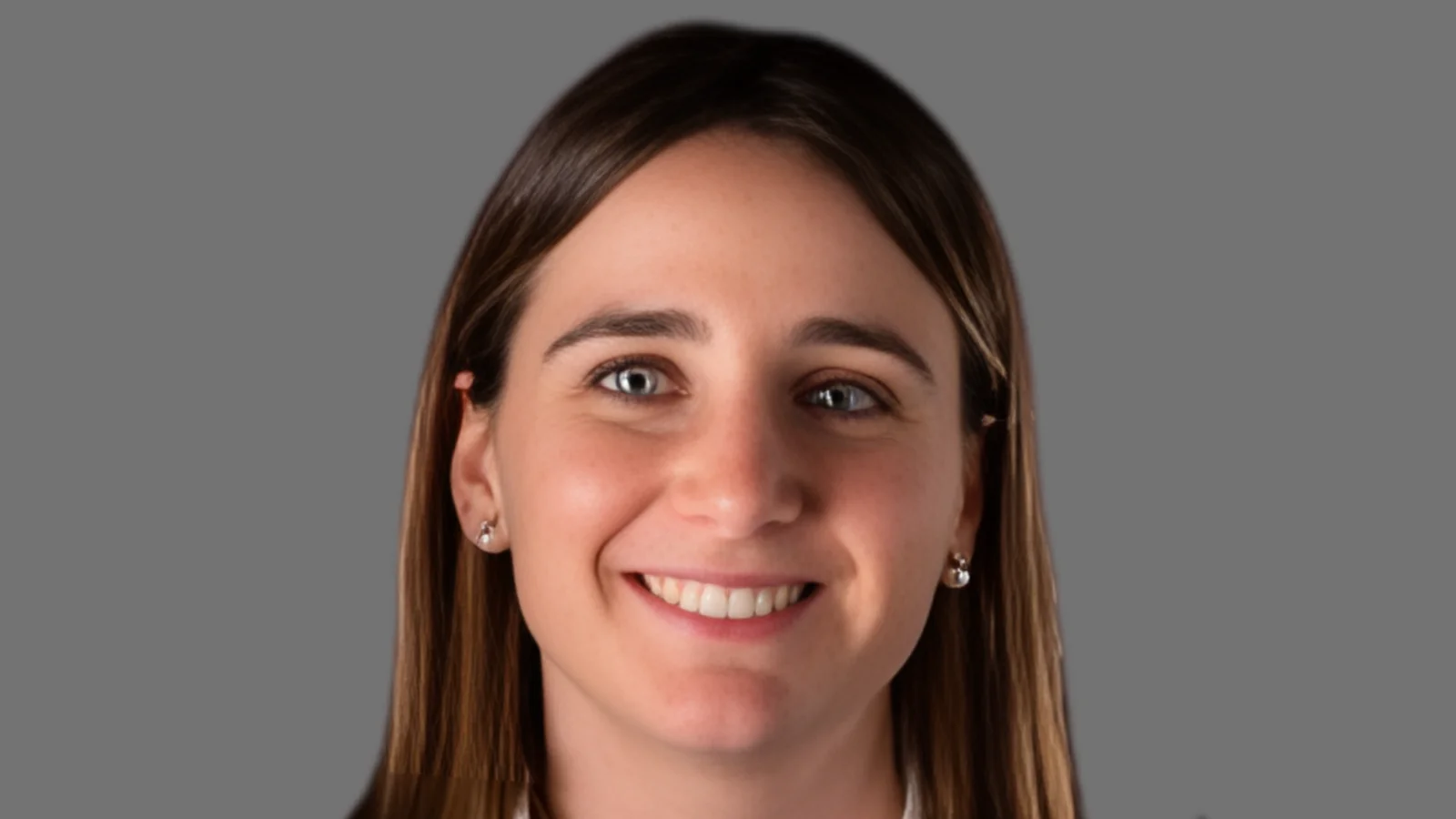
Berta Bosch's doctoral thesis focused on improving the preservation and delivery of beneficial gut bacteria that are highly sensitive to oxygen. These microbes play an important role in human health, but delivering them safely to the large intestine remains a challenge.
Currently, faecal microbiota transplantation is used to treat Clostridioides difficile infection and is being investigated for other conditions such as inflammatory bowel disease, irritable bowel syndrome, and metabolic diseases. However, this approach depends on donor material, making standardization difficult. Researchers are now exploring alternatives using cultured bacterial strains for safer and more controlled therapies.
The study tested several new techniques for handling and formulating these microbes. Anaerobic (oxygen-free) preparation was found to protect gut bacteria during faecal microbiota transplantation. In a clinical trial with Parkinson's patients, this method was safe and altered their gut microbiota, though it did not result in clinical improvement of symptoms.
Another approach involved a double-coated tablet designed to deliver live anaerobic bacteria directly to the colon in laboratory simulations while preserving their anti-inflammatory properties. Additionally, a 14-strain bacterial mix showed potential in reversing antibiotic-induced gut imbalances in an artificial gut model.
"Gut bacteria are essential for health, but many of the most beneficial species die quickly when exposed to oxygen," said Bosch. "Our work shows how to protect these microbes and deliver them in a way that could transform patient care."
Many diseases are linked with loss of oxygen-sensitive gut bacteria. Restoring these microbes may help reestablish a healthy microbiome. The research points toward more standardized treatments that do not rely on donors but use targeted microbial formulations.
As interest grows in microbiome-based therapies for infections, inflammation, and metabolic disorders, these findings provide practical solutions for developing safer and scalable treatments. Further studies will be needed before these methods become widely available.
"Microbiome research is moving from theory to practice," Bosch said. "We're building the tools to expand the reach and impact of these treatments."



