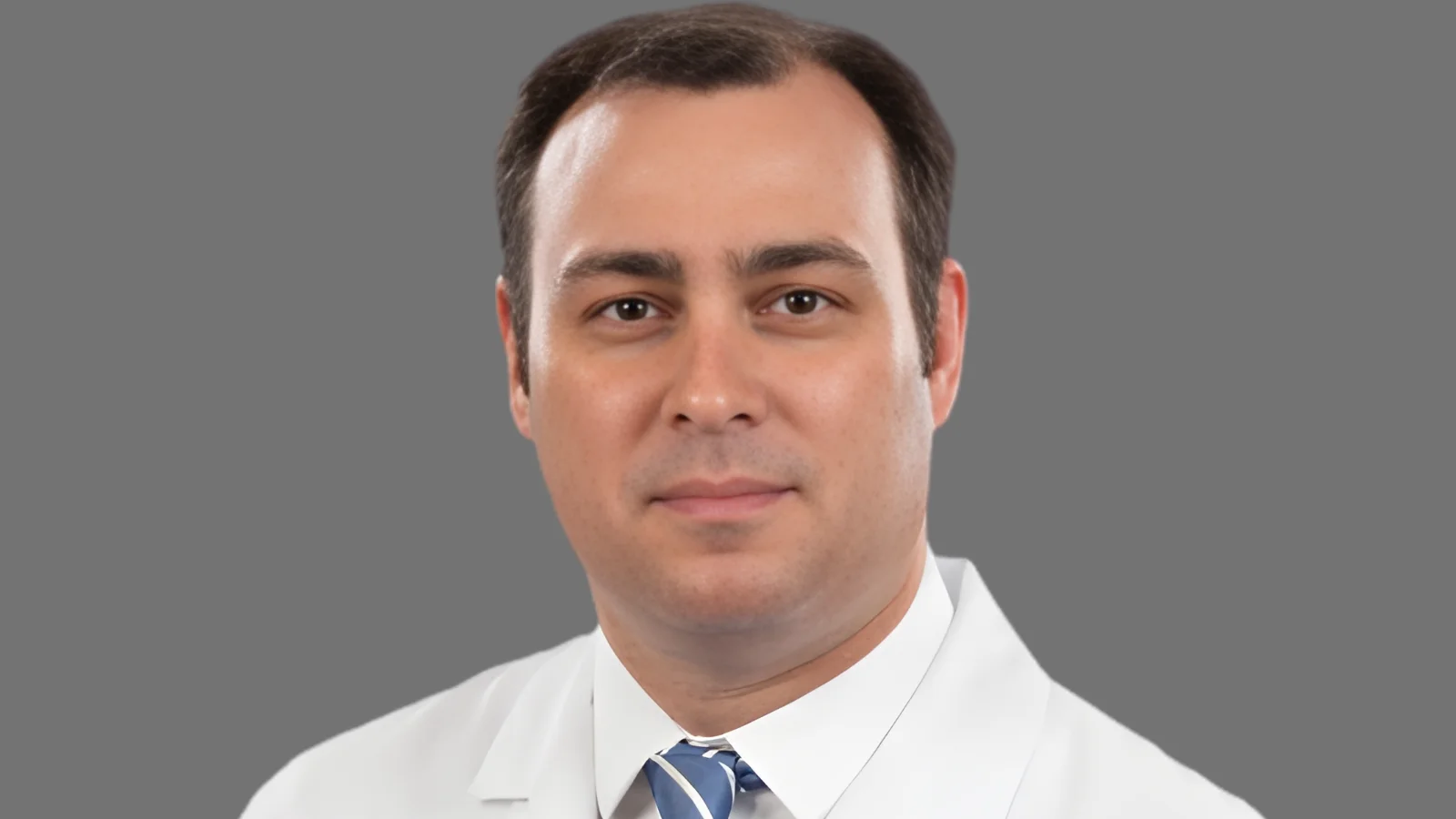

Most patients diagnosed with T-cell/histocyte-rich large B-cell lymphoma (THRLBCL), a rare and aggressive form of lymphoma, may be able to receive a less toxic treatment than previously thought necessary. This is according to new research from the Sylvester Comprehensive Cancer Center at the University of Miami Miller School of Medicine.
Juan Alderuccio, M.D., a hematologist and lymphoma specialist at Sylvester, led the study and will present the findings on December 8 at the American Society of Hematology meeting in Orlando. The research aims to help standardize treatment for THRLBCL, which could improve patient outcomes by providing effective care with fewer side effects.
"Until this study, we didn't know exactly how to treat this disease," Alderuccio said. In the absence of formal guidelines, doctors have been using different treatments for newly diagnosed patients.
The study found that most patients can be treated with R-CHOP, a combination therapy already used for diffuse large B cell lymphoma (DLBCL), the most common type of large B cell lymphoma. Intensive chemotherapy regimens had previously been considered beneficial for THRLBCL but were associated with significant side effects such as infections, nerve pain, digestive tract inflammation, and low white blood cell counts.
To assess whether R-CHOP could offer similar benefits without these complications, researchers compared outcomes in THRLBCL patients to those in DLBCL patients. THRLBCL is more likely to affect younger men who are often diagnosed at later stages and is characterized by fewer malignant B cells and greater immune suppression. The disease can also spread to organs like the liver, lungs, and bone marrow. It remains uncommon: between 2010 and 2015 there were only 622 recorded cases in the U.S., compared to over 91,000 cases of DLBCL.
Due to its rarity, running clinical trials for standardized treatment has been difficult. As a result, oncologists have tried intensive chemotherapy or bone marrow transplantation in some cases while others use R-CHOP—a regimen consisting of three chemotherapy drugs (cyclophosphamide, doxorubicin, vincristine), prednisone (a steroid), and rituximab (a monoclonal antibody targeting CD20 on B cells). About 60% of DLBCL patients experience complete remission after six cycles of R-CHOP.
Alderuccio’s team used data from several sources: the Lymphoma Epidemiology of Outcomes consortium involving eight U.S. academic centers including Miami; the Czech Lymphoma Study Group; and additional data from Iowa University/Mayo Clinic Molecular Epidemiology Resource. Of 140 THRLBCL patients studied, 106 received R-CHOP; four years post-treatment, 80% were alive and 70% had not seen their cancer return or faced complications. Outcomes among nearly 6,100 DLBCL patients were similar—statistical analysis showed no difference between groups receiving R-CHOP. Intensive regimens did not improve survival rates for THRLBCL patients.
Alderuccio stated that further studies will include patient data from three additional sources: the U.S. Department of Defense; Veterans Administration registry; and a nationwide Danish cohort. These efforts aim to identify which THRLBCL patients might not benefit from R-CHOP so alternative treatments can be explored through clinical trials.



