
A recent clinical trial has found that adding epcoritamab to the standard second-line regimen of rituximab and lenalidomide (R2) significantly improves outcomes for patients with relapsed or refractory follicular lymphoma. The study, which is the first randomized controlled trial to test a bispecific antibody combination in this disease, demonstrated nearly an 80% reduction in the risk of death or disease progression when compared to R2 alone.
Following these results, the U.S. Food and Drug Administration approved the use of epcoritamab with rituximab and lenalidomide for patients whose follicular lymphoma has returned or not responded to previous treatments as of November 2025.
Follicular lymphoma is a slow-growing type of non-Hodgkin lymphoma that can become more aggressive over time. Treatment options are limited for patients who experience a relapse after initial therapy.
The trial enrolled 488 patients with relapsed or refractory follicular lymphoma. Participants were randomly assigned to receive either epcoritamab plus R2 or R2 alone for up to 12 cycles. After a median follow-up of just under 15 months, those receiving the combination treatment had an overall response rate of 95.1%, compared to 79.2% in the control group. Progression-free survival at 16 months was also higher in the combination group (85.5%) than in those receiving only R2 (40.2%).
Secondary endpoints showed that complete response rates were higher among patients treated with epcoritamab plus R2 (82.7%) versus those who received R2 alone (49.8%). Patients on the new regimen also had longer durations of response and complete remission, with consistent results across all analyzed subgroups.
Researchers observed that fewer patients treated with epcoritamab required additional therapies during the study period, indicating potential for reducing or delaying further treatments and their side effects. At 16 months, 92.8% of these patients remained free from new anti-lymphoma treatments compared to 64.9% in the control group.
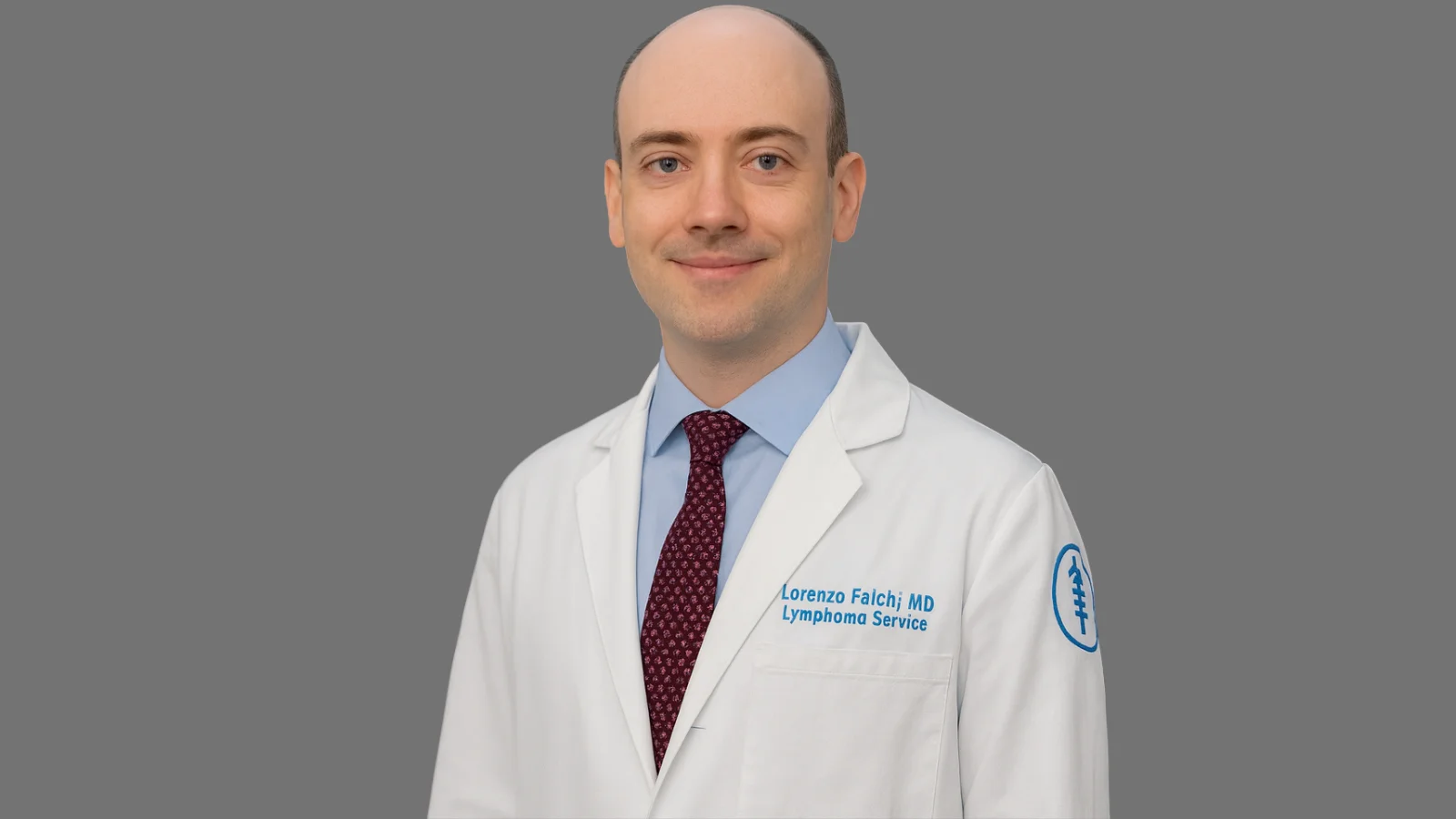
"A time-limited therapy that is not followed by another therapy for a long time is certainly a very good value for patients," said Dr. Falchi.
However, participants who received epcoritamab plus R2 experienced more adverse events: grade 3 or 4 treatment-related events occurred in 90.1% of this group versus 67.6% in those given R2 alone, mainly due to lower white blood cell counts and infections among recipients of epcoritamab. No neurological toxicity was observed, nor were there reports of severe cytokine release syndrome (CRS). Researchers noted this supports safety across various medical settings.
"There has been some hesitancy to use bispecific antibodies in a community setting because of CRS," said Dr. Falchi. "The prospect of a subcutaneous, completely outpatient treatment that does not result in a significant rate of CRS is good news for giving more patients the best opportunity for a response."
The study also examined two step-up dosing regimens for administering epcoritamab–R2, finding that three initial smaller doses led to less low-grade CRS than two smaller doses.
Because median follow-up was relatively short, researchers plan continued monitoring for longer-term outcomes and are conducting another study testing this combination as an initial treatment option. Dr. Falchi mentioned further investigation into using epcoritamab alone for patients unable to take R2.
Genmab and AbbVie Inc funded the research, which was published simultaneously in The Lancet journal.
Dr. Lorenzo Falchi from Memorial Sloan Kettering Cancer Center will present these findings on December 7, 2025 at West Hall D2 of the Orange County Convention Center.

