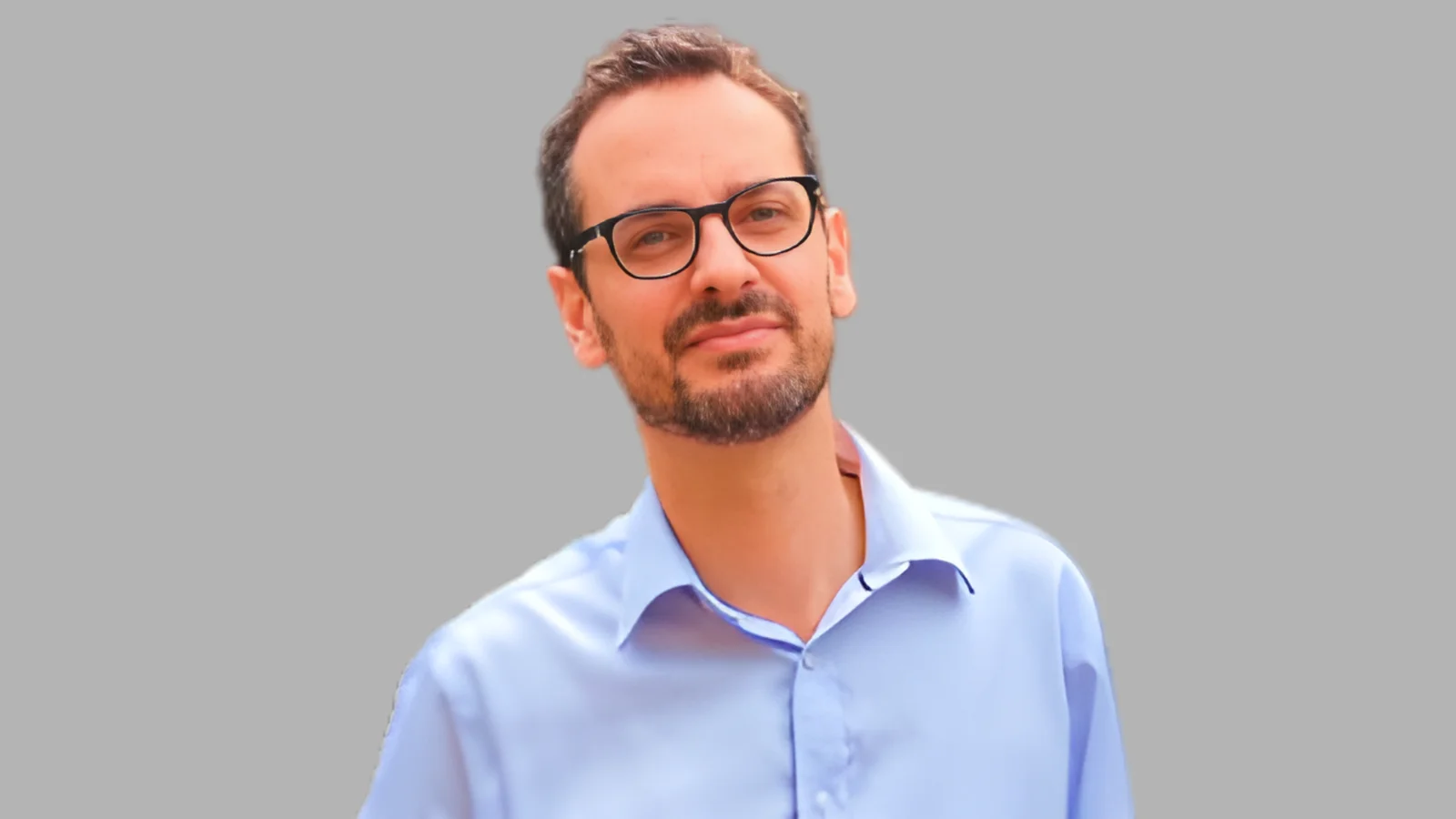

A recent study from the University of East Anglia offers new insights into how the brain manages and changes episodic memories—those that allow people to recall personal experiences such as birthday parties or holidays. The research, published in Neuroscience & Biobehavioral Reviews, was conducted in collaboration with the University of Texas in Dallas.
The study emphasizes that memories are not simply stored like files on a computer. Instead, they consist of different components, some of which are readily accessible while others remain dormant until triggered by specific cues.
Lead researcher Prof Louis Renoult from UEA's School of Psychology explained, "But even then, the memory we recall might not be a perfect copy. It can include extra details from our general knowledge, past experiences, or even the situation we're in when we remember it."
Prof Renoult further described how older memories often undergo a process called re-encoding. "Memories of older events often go through a process called re-encoding, which means the brain updates or reshapes the memory over time. This creates a chain of connections from the original experience to the version of the memory we can access now," he said. He added that this helps explain why memories may change and are sometimes unreliable: "This work helps us understand why our memories aren't always reliable and how they can be influenced by time, context, and even our own imaginations."
To reach their conclusions, researchers reviewed nearly 200 studies from psychology and neuroscience along with philosophical papers and recent animal model research. Prof Renoult stated, "We wanted to suggest a new way of looking at things by combining ideas from different fields. The goal was to make sense of problems that haven't been solved yet and spark fresh research."
A significant focus was placed on how physical storage occurs in the brain, particularly highlighting the hippocampus—a region involved in forming and organizing memories. The team noted that memory traces can lie dormant until activated by environmental cues.
"These conscious representations of our past are typically a combination of retrieved information of the original experience, generic knowledge about the world and information relevant for the current situation," Prof Renoult explained.
He continued: "While memories need to have a causal link to past events to count as memories, they may differ each time they are retrieved. This means that memories can and do change. They might become less accurate or include new information, making them feel different from the original event."
The researchers highlighted practical implications for mental health care, education strategies, and legal processes where accurate recollection is important.
"Understanding how memories are formed, stored, and reshaped over time is crucial because memory underpins so much of our daily lives - from learning and mental health to decisions made in courtrooms," Prof Renoult said. "By revealing that memories are dynamic rather than fixed, this research helps us better understand why they can change and how that impacts the way we think, feel, and act."

