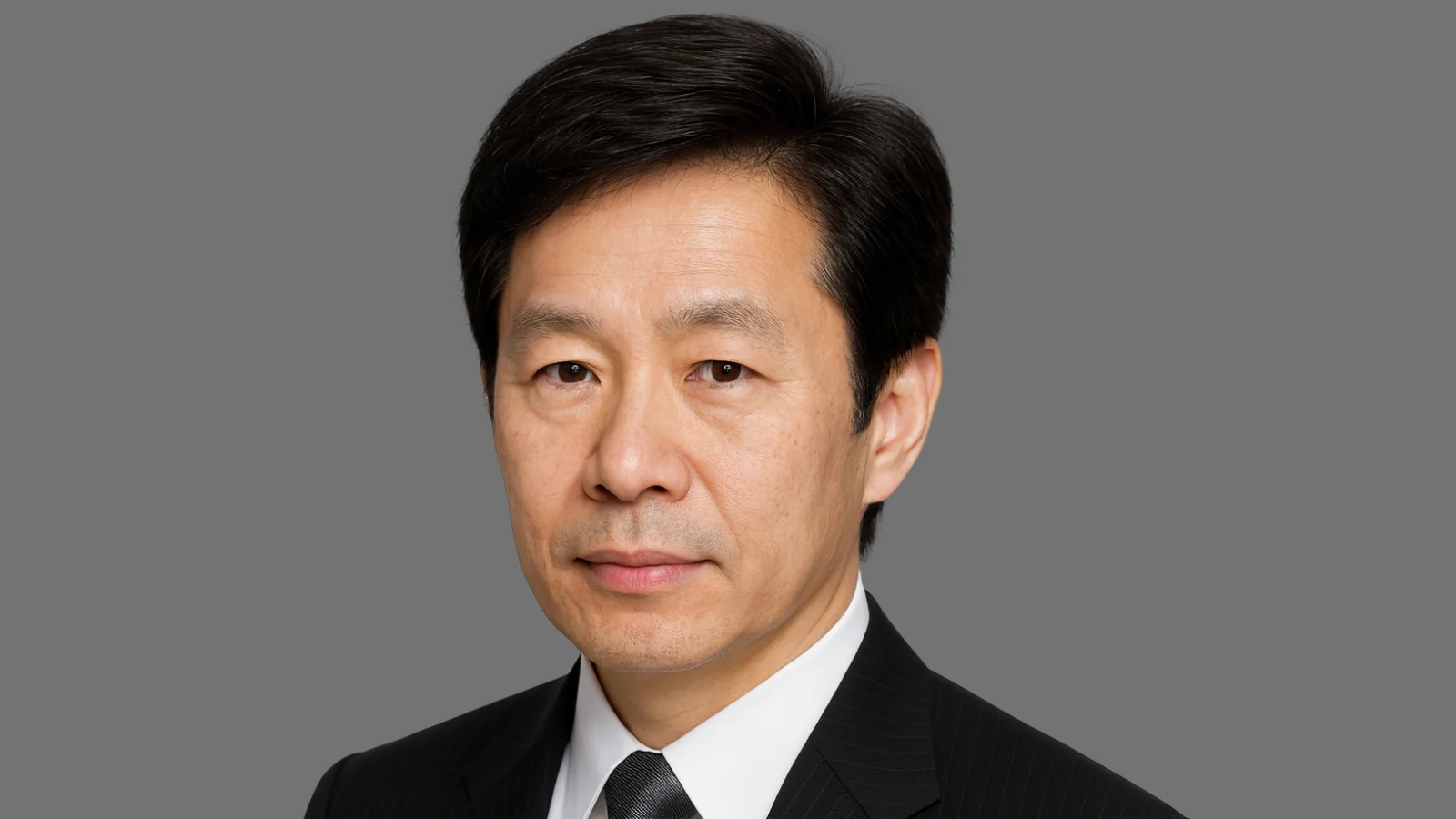

Dental anxiety, known as odontophobia, is a barrier that keeps many people from seeking regular dental care. A significant source of this anxiety is the high-pitched sound produced by dental drills. Tomomi Yamada, an assistant professor at the University of Osaka's graduate school of dentistry, has observed this issue in her patients and decided to study it scientifically.
"Originally, I was doing research on dental materials, but I realized that almost no one - not even dentists - was tackling this sound problem scientifically," Yamada said.
Yamada will present her findings at the Sixth Joint Meeting of the Acoustical Society of America and Acoustical Society of Japan in Honolulu, Hawaii. Her team includes collaborators from the University of Osaka, Kobe University, and National Cheng Kung University.
The researchers used Japan's flagship supercomputer to perform large-scale aeroacoustic simulations. These simulations analyzed how air moves through and around dental drills powered by compressed air and rotating at about 320,000 revolutions per minute. The aim was to visualize how these movements generate noise.
"Our research showed that just making the drill quieter isn't enough to make the sound less unpleasant," Yamada said. "What really matters is improving its sound quality."
The team also studied how children and adults react psychologically to dental drill sounds, which can reach nearly 20 kilohertz. They found that younger listeners perceive these sounds as louder and more unpleasant than adults do.
"This indicates that children's fear of dental sounds is not merely psychological but also physiological in nature," said Yamada. "Children truly hear these sounds differently, so their fear of dental treatment is a genuine sensory response, not just imagination."
To address these issues, Yamada's group is working on redesigning parts of the drill such as blade geometry and exhaust ports to reduce noise without compromising performance or safety.
"Moving forward, we hope to work with dental manufacturers through industry–academia partnerships, progressing toward commercialization after completing the necessary regulatory and durability testing," Yamada said.

