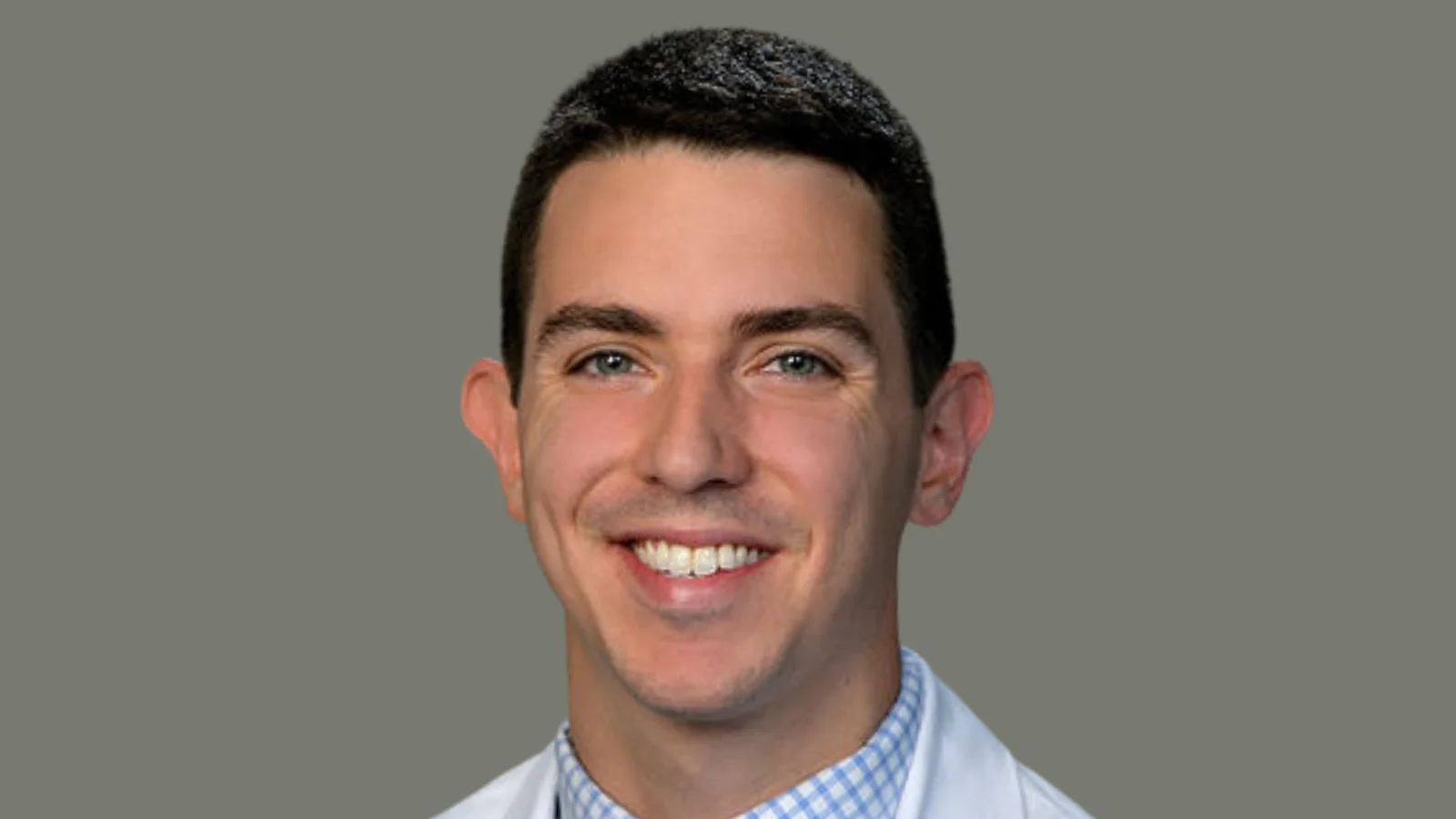

Josh Glick, MD, recently led a hands-only CPR training session at the Wissahickon Boys & Girls Club in Philadelphia. Participants practiced chest compressions on CPR dummies while Glick offered guidance and encouragement. "It’s hard to do CPR…if you are tired after a few minutes, you are doing it correctly," he told the group.
The class is part of the Mobile CPR Project, which brings lifesaving training to communities across the region served by Penn Medicine. The recent session was held in partnership with the Philadelphia 76ers. Since its relaunch two years ago with new funding, the project has trained more than 5,000 people in both CPR and how to use automated external defibrillators (AEDs).
Glick serves as medical director for the Mobile CPR Project and works as an emergency department doctor at the Hospital of the University of Pennsylvania. He emphasized that such training is especially needed in Philadelphia, where survival rates for out-of-hospital cardiac arrest lag behind national averages. While over 10 percent survive such events nationally, Philadelphia’s rate is below 9 percent. Survival with healthy brain function is also lower: 4.8 percent in Philadelphia compared to 8.2 percent nationally.
A significant factor contributing to these statistics is that fewer people receive bystander CPR in Philadelphia—only 28 percent compared to 40 percent nationwide.
"When we look at why people aren't trained in CPR, there are really three barriers. The first is time, the second is cost, and then the third is access," said Glick.
The Mobile CPR Project aims to address these obstacles by providing free classes throughout the area. The initiative began in 2016 under Penn’s Center for Resuscitation Science, founded by Benjamin Abella, MD. After Abella left Penn two years ago, Glick took over leadership and helped revive the program through a grant from Independence Blue Cross. The entire operation runs out of a small van equipped with all necessary training materials and now holds between ten and fifteen classes each month.
For more information about developments at Penn Medicine or to subscribe to their newsletters and publications, visit their website.

