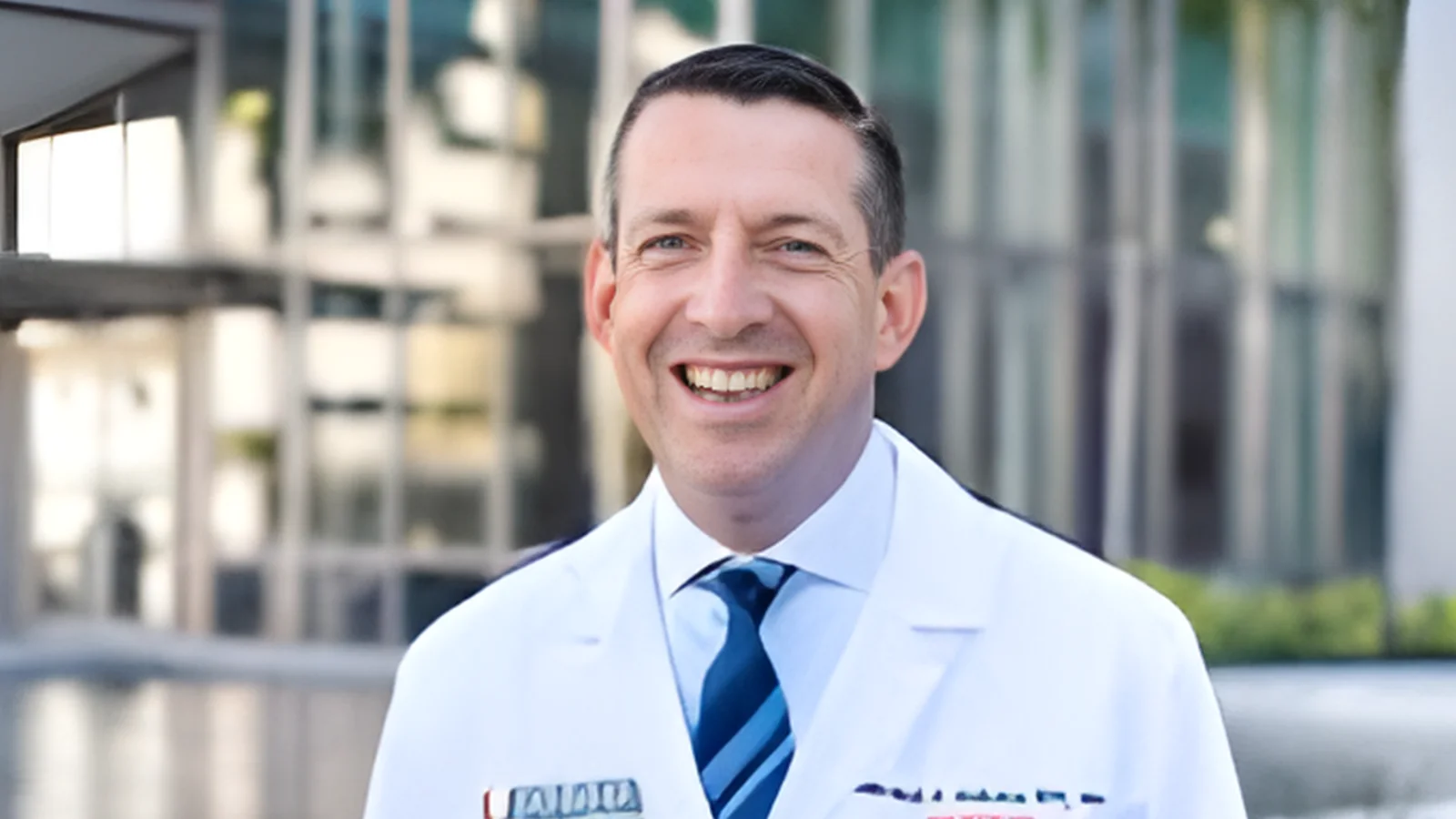

A new generation of targeted therapies and less intensive chemotherapy is improving survival rates for older adults diagnosed with acute myeloid leukemia (AML), according to updated guidelines from the American Society of Hematology (ASH). The revised 2025 ASH AML treatment guidelines, led by Dr. Mikkael Sekeres, chief of the Division of Hematology at Sylvester Comprehensive Cancer Center at the University of Miami Miller School of Medicine, were published on December 1 in Blood Advances and will be presented at the upcoming ASH annual meeting in Orlando.
"The landscape of AML treatment has changed dramatically with more effective therapies," said Sekeres. "Our clinical studies have led to FDA approval of three drugs to treat acute leukemia over the past two years." He noted that integrating these new drugs into standard patient care remains a gradual process.
Dr. Sekeres chaired both the 2020 and 2025 ASH guideline panels, which included leukemia specialists, geriatricians, and patients who reviewed current research to shape recommendations. The aim is to help patients and physicians navigate complex decisions about AML treatment.
Historically, intensive chemotherapy was the primary approach for AML. Two decades ago, most people over age 65 did not receive chemotherapy. "We developed these guidelines to mirror the experience of an older adult's conversations with their doctor as they're considering treatment. The very first of those conversations is whether or not a person should receive any treatment," said Sekeres. "We didn't shy away from hard questions that patients and doctors ask, and I'm really proud of that."
Recent advances include gentler chemotherapy regimens, low-dose treatments, targeted therapies, and immunotherapies that have expanded options for older adults—enabling more patients to achieve remission or undergo bone marrow transplants.
Treatment decisions are increasingly personalized based on factors such as age, overall health, and genetic profile. "We're tailoring therapy more and more for each patient based on their age, fitness and genetic profile," said Dr. Justin Watts, chief of Sylvester’s leukemia section in hematology. "Their genes tell us if they qualify for targeted therapies and can predict their risk level for relapse - so tell us if they need a transplant."
The updated guidelines recommend offering active treatment—not just supportive care—to most older adults with AML. Those who are healthy enough or have favorable disease genetics should still consider intensive chemotherapy; others may benefit from lower-intensity options like hypomethylating agents (azacitidine or decitabine) or low-dose cytarabine combined with venetoclax.
Genetic testing plays a key role in guiding therapy choices: Patients with FLT3 mutations should receive FLT3 inhibitors; those with IDH1 or IDH2 mutations may be treated with azacitidine plus targeted inhibitors such as ivosidenib or venetoclax.
For patients achieving remission, bone marrow transplantation is recommended when possible—even among older adults—as improvements in transplant procedures now allow use of donors who are not perfect matches. If transplantation is not feasible, ongoing maintenance therapy using gentler drug combinations can help prevent relapse.
"Finally, we made recommendations regarding blood transfusions for people who are getting palliative care or hospice," Sekeres said. Many hospices deny people with leukemia transfusions, "so we very definitively said that we consider blood product transfusions as a part of palliative care and hospice."
Advances in diagnostic tools now allow better detection of minimal residual disease—helping clinicians assess relapse risk more accurately—and support ongoing progress toward identifying optimal treatments for different patient groups. As Watts explained: "We're making steady progress every year by better defining patient groups," adding that more individuals are moving into categories where new therapies provide longer survival.

