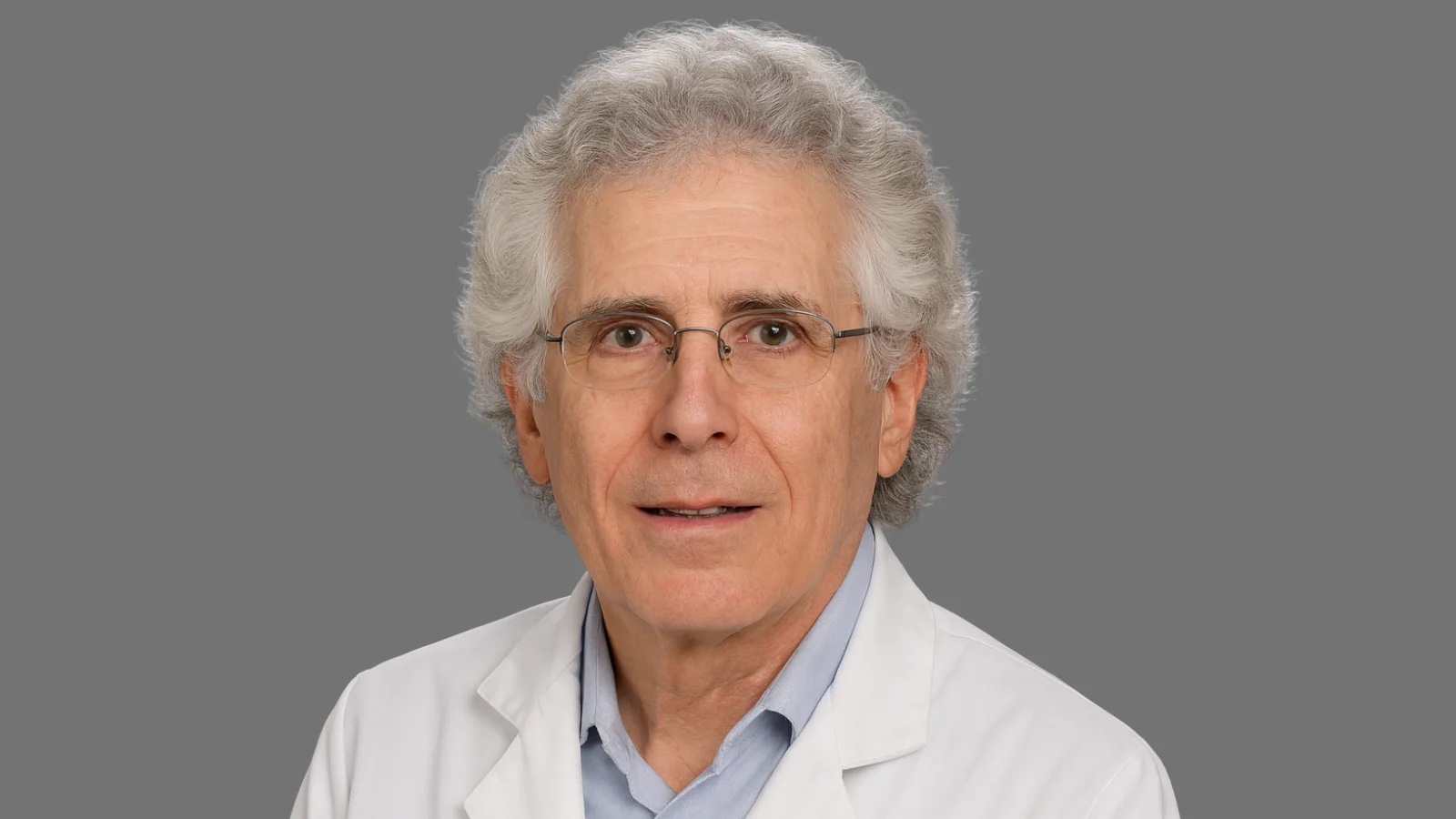

Researchers at Sylvester Comprehensive Cancer Center, part of the University of Miami Miller School of Medicine, have developed a new protocol that could improve the safety and effectiveness of allogeneic hematopoietic stem cell transplantation (aHSCT) for blood cancer patients. The study was featured on the cover of the November 27, 2025 issue of Blood.
The research team, led by Robert Levy, Ph.D., professor of microbiology and immunology at the Miller School, focused on reducing the risk of graft-versus-host disease (GVHD), a common complication where transplanted immune cells attack the patient's tissues. Traditionally, this risk is managed with strong immune-suppressing drugs that can lead to significant side effects and increase infection risk.
The new approach involves priming the patient’s immune system with a therapy that expands regulatory T cells (Tregs) before transplant. Tregs help maintain immune balance and can reduce harmful reactions after transplantation. The protocol uses two agents—TL1A-Ig fusion protein and low-dose IL-2—to stimulate specific receptors on Tregs, encouraging their growth in key organs often affected by GVHD.
"We saw that expanding Tregs before transplant helped protect vital tissues organs and supported a healthier microbiome," Levy said. "This could mean fewer complications and better recovery for patients."
Unlike older methods that require manipulation of donor cells outside the body, this protocol expands the patient’s own Tregs inside their body prior to transplant. This may simplify treatment procedures and make them more accessible to patients.
Importantly, researchers found that this strategy does not interfere with graft-versus-leukemia (GVL), which is essential for preventing cancer relapse following transplant.
"Our goal is to make transplants safer while still allowing the patient'simmune system to do its job against cancer," Levy noted. "We're working toward therapies that are both effective and practical for real-world use."
The study also found that patients receiving this protocol had a more diverse gut microbiome—a factor increasingly recognized as important for post-transplant recovery.
"Personalized medicine is about tailoring treatments to each patient's needs," Levy said. "By supporting the immune system and microbiome, we can help patients recover more smoothly."
Levy's team collaborated with researchers from Sloan Kettering Institute and Memorial Sloan Kettering in New York, Weill Cornell Medical College, and Fred Hutchinson Cancer Center in Seattle. They plan to move forward with clinical trials in hopes that this approach will become part of standard care for stem cell transplant recipients.
"We're excited to continue this work and collaborate with clinicians to bring new therapies to patients," Dr. Levy concluded. "Every step forward brings us closer to safer, more effective transplants."



