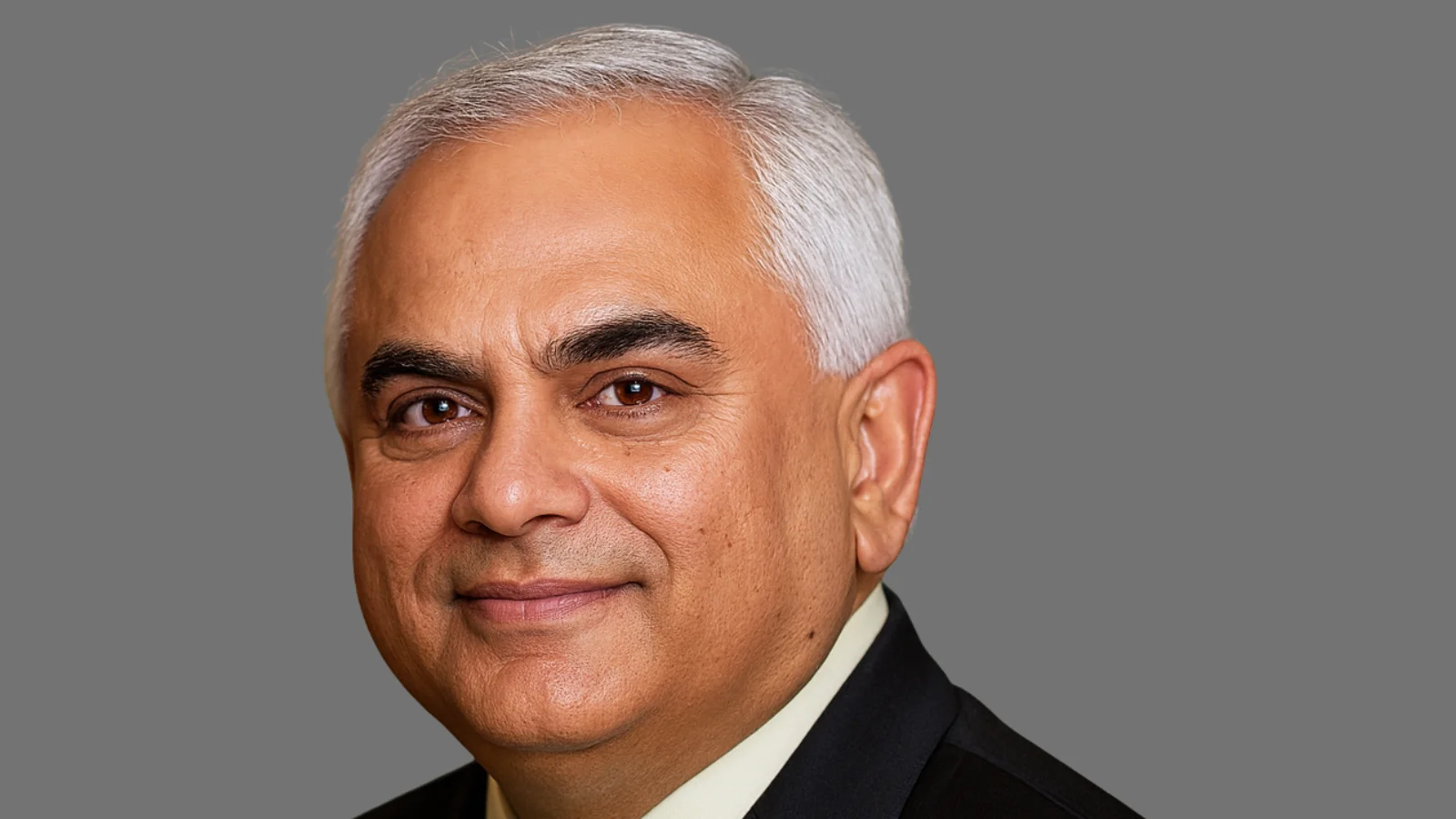

During the holiday season, many people look forward to shopping deals and sales. However, some may find it hard to control their spending. Dr. Asim Shah, professor and executive vice chair in the Menninger Department of Psychiatry at Baylor College of Medicine, discussed the growing issue of shopping addiction and offered advice on how to avoid overspending.
“Shopping addiction is on the rise because plastic [credit card use] is on the rise,” said Shah. “People used to shop with cash, so they could only shop with the money they had on them. Now, people can shop for anything with a credit card whether they’re at the mall or at home shopping online.”
Shah noted that online shopping has made it even easier for people to develop problematic habits. Signs of shopping addiction include an inability to control spending, constantly thinking about shopping, compulsive purchases, using shopping as a way to manage negative emotions or depression, hiding purchases from others, and neglecting responsibilities—which can sometimes result in legal issues such as shoplifting.
“Like any addiction, you need to treat it with realization first. Acknowledge that you have a problem, then you can do something constructive,” Shah said.
He suggests reviewing recent expenses by separating necessary from unnecessary purchases and making a chart to visualize spending patterns. Support groups and cognitive behavioral therapy may also help those struggling with compulsive buying.
As brands promote enticing deals during events like Black Friday and Cyber Monday, Shah recommends shoppers set clear financial limits and avoid unnecessary trips to malls or excessive browsing online. He also advises paying off credit card bills promptly instead of deferring payments since interest can lead to mounting debt.
“Recognize that these ads and deals are created to grab attention and create positive feelings,” he said.
Shah explained that the joy many feel while shopping is linked to dopamine release in the brain’s reward system. To channel this feeling positively during the holidays, he encourages people to consider charitable giving instead of making unnecessary purchases.
“Think about people who have less this time of year. Spending money to help others by donating also gives pleasure,” he said.

